Category: Home Maintenance

  • What to do When the Furnace Fan Stops Working?

    What to do When the Furnace Fan Stops Working?

    As temperatures fluctuate, having a reliable HVAC system is crucial for maintaining a comfortable home environment. A common issue that can disrupt this comfort is a blower fan refusing to start. Whether you’re dealing with a furnace, air conditioner (AC), or heat pump, understanding the potential culprits behind a non-starting blower fan is essential. In this guide, we’ll explore the ten most common reasons for this problem.

    1. Capacitor Issues: 
    • PSC (Permanent Split Capacitor) blower fans require a capacitor for both starting and running the motor. A faulty capacitor can disrupt the artificial phase of electricity needed for the blower motor’s power supply.
    • Testing the capacitor: Use a multimeter to check the MFD (microfarads) reading. If it deviates more than 6% from the rating on the capacitor, it’s likely defective.
    1. Blower Motor Damage:
    • After replacing a bad capacitor, the blower motor may exhibit intermittent operation and a burning smell, indicating damage sustained during the capacitor’s malfunction.
    • Note: Always be prepared to replace the blower motor when dealing with a bad capacitor.
    1. Blower Motor Electrical Windings:
    • If the motor windings have opened up, shorted, or grounded, the motor won’t start. Use a multimeter to check resistance values between wires, ensuring the motor is cool before testing.
    • Tip: A 120v PSC blower motor example illustrates different resistance values for various speed wires.
    1. Blower Motor Bearings: Check for easy turning and the absence of wiggling. Difficulties in spinning or wiggling may indicate a bad bearing.
    2. ECM Blower Motor Module:
    • Electronically Commutated Motors (ECM) may have a faulty module preventing the motor from turning on. Use a multimeter to check for high-voltage power to the motor.
    • Note: Inspect the module visually for any signs of damage or burning.
    1. Bad Control Board:
    • For units with ECM motors, a malfunctioning control board may fail to communicate with the blower motor. Test the motor with a TecMate PRO to eliminate the issue.
    • Tip: Check for loose wiring and ensure the motor receives a 24v signal from the G to C terminals.
    1. Thermostat Face: A drained battery in the thermostat or lack of a common wire can prevent the blower motor from starting. Replace batteries regularly and bypass the thermostat for testing.
    2. Power Off to the Furnace or Air Handler: Ensure the power switch is on, the door switch is engaged, and check for error codes on units with LED displays.
    3. Thermostat Wiring:Damaged thermostat wiring can be the culprit. Check for issues such as animal damage or wire compression during installation. Tip: Bypass the thermostat for testing by jumping from R to G at the control board.
    1. Ductwork Issues: Clogs or collapses in the ductwork can impede airflow, even if the blower motor is operational.

    What is a furnace inducer motor?

    A furnace inducer motor is a component in a gas furnace that helps initiate combustion, removes combustion byproducts, and ensures proper ventilation. It plays a key role in the efficiency and safety of the furnace by creating the necessary airflow for combustion and venting.

    How to replace a furnace blower motor?

    Replacing a furnace blower motor involves turning off the power, disconnecting wires from the old motor, removing the old motor, installing the new motor, connecting wires, testing the new motor, and securing panels. If you’re not experienced, it’s safer to hire a professional for this task.

    How do you know if your blower motor is bad?

    A faulty blower motor in your HVAC system can manifest through various signs. Here are common indicators that your blower motor might be bad:

    1. No Airflow: If you notice little to no airflow coming from your vents, it could indicate a blower motor problem. The motor is responsible for circulating air through the system, and a malfunction can lead to reduced or no airflow.
    2. Weak Airflow: Weak or significantly reduced airflow, even when the system is running, can suggest a struggling blower motor. This might be due to a decrease in the motor’s efficiency.
    3. Unusual Noises: Strange noises, such as squealing, grinding, or rattling, when the HVAC system is running could indicate issues with the blower motor. These sounds may suggest worn-out or damaged components within the motor.
    4. Intermittent Operation: If the blower motor operates inconsistently, turning on and off unexpectedly, it might be a sign of a malfunction. This behavior can lead to uneven heating or cooling in your home.
    5. Overheating Smell: A burnt or overheating smell coming from your vents could indicate a blower motor problem. If the motor is working too hard or experiencing electrical issues, it may produce a noticeable odor.
    6. Motor Won’t Start: If the blower motor fails to start altogether, it’s a clear sign of a problem. This could be due to issues with the motor itself, the capacitor, or other electrical components.
    7. Increased Energy Bills: A malfunctioning blower motor may cause your HVAC system to work harder to maintain the desired temperature. This increased workload can lead to higher energy bills.
    8. Visible Damage: If you can visually inspect the blower motor, look for signs of physical damage, excessive dirt or debris, or signs of overheating, such as discoloration.

    Attempting to repair or replace a blower motor without the necessary expertise can lead to further damage or safety hazards. A professional technician can accurately identify the issue and recommend the appropriate course of action, whether it involves repairing or replacing the blower motor.

    Why my furnace won’t shut off even when the thermostat is off?

    If your furnace continues to run even when the thermostat is set to the “off” position, several potential issues may be causing this problem. Here are some common reasons:

    1. Thermostat Malfunction: The thermostat might be faulty or incorrectly wired. Check if the thermostat is set to the “off” position, and if it is, examine the wiring to ensure proper connections. If the thermostat is still causing issues, it may need to be replaced.
    2. Shorted Wires: Short circuits in the thermostat wires or in the furnace control board can keep the furnace running. Inspect the thermostat wires for any signs of damage, and check the control board for shorts.
    3. Stuck Relay or Contact: The relay or contact switch in the furnace control board may be stuck in the closed position, keeping power flowing to the furnace even when it should be off. This issue often requires professional attention to diagnose and fix.
    4. Faulty Limit Switch: The limit switch is a safety feature that turns off the furnace when the temperature inside the furnace becomes too high. A malfunctioning limit switch may fail to shut off the furnace when needed.
    5. Dirty or Clogged Air Filter: A clogged air filter can cause the furnace to overheat, triggering the limit switch to shut down the burners but not the blower. Ensure that the air filter is clean and replace it if necessary.
    6. Issues with the Thermostat Wiring: Check for loose or improperly connected wires in the thermostat wiring. If there are issues with the wiring, the thermostat may not be effectively communicating with the furnace.
    7. Faulty Thermostat: If the thermostat is not sending the signal to the furnace to shut off, it could be malfunctioning. Consider replacing the thermostat if other troubleshooting steps do not resolve the issue.
    8. High Thermostat Setting: Ensure that the thermostat is not set to an unusually high temperature, causing the furnace to continue running to reach the set temperature.

    Working with heating systems involves dealing with electrical components, and professional expertise is crucial to ensure safety and proper diagnosis of the problem.

    Conclusion

    A blower fan refusing to start can stem from various issues, each requiring a specific approach for resolution. Regular maintenance and timely troubleshooting are crucial for keeping your HVAC system running smoothly. If you encounter difficulties or are unsure about addressing these problems, it’s wise to consult a professional technician.

    At Heald Mechanical, we prioritize your comfort and peace of mind. Our experienced technicians specialize in diagnosing and resolving HVAC issues promptly. Contact Heald Mechanical for reliable services that ensure your HVAC system operates at its best, providing you with comfort year-round.

    Frequently Asked Questions

    What to do when a furnace stops working?

    • Check the thermostat settings and ensure it’s in heating mode.
    • Verify the power supply by checking the circuit breaker.
    • Inspect the air filter for clogs and replace if necessary. If issues persist, seek professional HVAC assistance.

    What to do when your heater is not working?

    • Confirm the thermostat is set to the desired temperature and heating mode.
    • Check the power supply, reset the circuit breaker if needed.
    • Inspect the air filter for blockages and, if the problem persists, contact a heating professional for further diagnosis.

    What happens when the furnace capacitor goes bad?

    • A failing furnace capacitor can result in reduced motor functionality.
    • This may lead to issues with the blower motor starting or running smoothly.
    • Consult an HVAC professional for capacitor replacement and a comprehensive system assessment.

    What to do when your furnace stops working?

    • Check thermostat settings and ensure it’s set to the desired temperature.
    • Verify the power supply by checking the circuit breaker.
    • Inspect the air filter for clogs, and if the problem persists, contact an HVAC professional for expert assistance.

    What to do when the furnace won’t turn on?

    • Ensure the thermostat is set to the heating mode and the desired temperature.
    • Check the circuit breaker for a tripped switch and reset if necessary.
    • If the furnace still won’t turn on, seek assistance from an HVAC professional to diagnose and address the issue.
  • How Often Should You Clean Air Ducts?

    How Often Should You Clean Air Ducts?

    Air ducts are one of the most important parts of a cooling and heating system. If something goes wrong with the air ducts, there will be hindrances to the airflow and energy loss. That is why keeping these air ducts in optimal condition is important, as you would not want to sweat in summer or freeze mid-winter at your home.

    According to experts from the (source) National Air Duct Cleaners Association (NADCA), you should consider getting your air ducts cleaned every 3 to 5 years. In the case of particular cleaning methods, you can wait longer, like 6 to 8 years. But if you notice mold or other stuff in your ducts that might make people sick, it’s a good idea to clean them sooner to keep your home and family healthy.

    Segment of Cities We Serve for HVAC and Plumbing Services

    Is it Necessary to clean your air Ducts?

    According to the (source) Environmental Protection Agency, certain pollutants can be 2 to 5 times more concentrated indoors than outdoors. These pollutants travel throughout your home with the help of air ducts reaching every corner of your home. Given the fact Americans spend 90 percent of their time indoors on average, there is a risk of developing health problems due to these pollutants.

    This why it is important to get your air ducts cleaned with the help of a professional HVAC company. This will help maintain a clean and healthy environment inside your home. But sometimes, you might need to get them cleaned sooner, especially in the situations given below.

    1. Moving into a new residence

    Professional air duct cleaning is important if you are changing homes and recently moved into a new home. This is because you are not aware of what the condition of the air ducts are. The old owner might be a smoker, have a pet, or have had construction done. In either of these cases, a thorough cleaning of the air duct is necessary.

    In case of new constructions, drywall dust and other debris can get disposed of into the home’s air ducts. Also, pet hair gets deposited into the air duct with pets. If you or your family members are allergic to pet hair, it can be very harmful for you to stay in the home without proper cleaning of air ducts along with the rest of the house.

    2. Spotting Mold or musty odors

    Damp and humid places are the greatest attractors for mold. Mold likes to grow in hard-to-reach places like your air ducts. It is difficult to spot early signs of mold, especially if they are far inside your air ducts. This is why periodic inspections and safety checks from professional HVAC cleaners are very necessary. Besides, if you notice mold patches near your vents or other corners of your house, it is time you call a professional HVAC air duct cleaner.

    In case of other symptoms like a musty smell or itchiness and coughing, get a professional cleaner. A professional HVAC service provider will clean the area by killing the mold and stopping it from returning.

    Say Goodbye to Allergens –

    3. Unwanted guests(Pests)

    Pests can become your worst nightmare if it gets out of hand. Pests love to cozy up in dark and unreachable places like the air ducts with minimal human intervention. Pests inside the air ducts will contaminate the air inside the house with their mess and odor. This will also decrease the efficiency of your HVAC system, so hiring a professional air duct cleaner is very important. A professional HVAC cleaner will do a thorough cleaning to kick those critters out.

    4. Too Much Dust and Debris

    If it has been years since your HVAC system was first installed, and you have not cleaned it for years, it is time for a deep clean. Besides mold and insects, a lot of stuff can build in your air ducts over time, including dust, hair, dead skin cells, and other allergens. These can reduce the airflow in your air ducts, along with causing health problems.

    Did you know that much of the energy used to heat or cool your home gets wasted? That’s right, according to the experts of NADCA (Source). Dirty air ducts can make your system work harder, shortening its lifespan and hitting your wallet. So, how do you fix this? Hire a professional HVAC cleaner and get your air ducts cleaned. so that your family can get to breathe clean air and you can also save money on your bills.

    5. Feeling Sick or Allergy Symptoms

    If your air ducts are clean, all your daily members experience fresh and clean air. But if our air ducts have not been cleaned for some time now, your air ducts are probably circulating contaminated air throughout the house. This can make allergies and colds worse.

    Furthermore, dust mites love to hang out in dirty ducts, and they can mess with people with respiratory issues. Dirty air ducts can be bad news if your family member already suffers from respiratory problems. In addition, indoor air quality must be kept in check if you have young kids/newborns and older members.

    Explore Our HVAC and Water Heater Services
    Furnace Repair Services Heating Repair Services Water Heater Repair Services
    Water Heater Installation/ Replacement Air Duct Replacement AC Repair and Installation

    Takeaway

    We hope to have cleared your doubts on how often we need to clean air ducts. Besides the given time frame of 3 to 5 years and other obvious reasons, one more situation requires urgent attention to your air ducts. If you notice your family members experiencing sudden health and respiratory issues, it might be linked to dirty air ducts and must not be avoided. All in all, include air duct cleaning as a part of your routine home maintenance.


    Read More About

    Reliable HVAC Company in Sacramento for Air Duct Cleaning

    Looking for the Best HVAC company in Sacramento? Heald Mechanical is here to help. Our experienced team provides the best service for all your heating and cooling needs. We are ready to serve you 24/7 for repairs, maintenance, or installation. You can trust Heald Mechanical for reliable HVAC service and peace of mind. Contact us or call us (916-972-7276) today to schedule an appointment!

  • Bad Water Heater Element Symptoms

    Bad Water Heater Element Symptoms

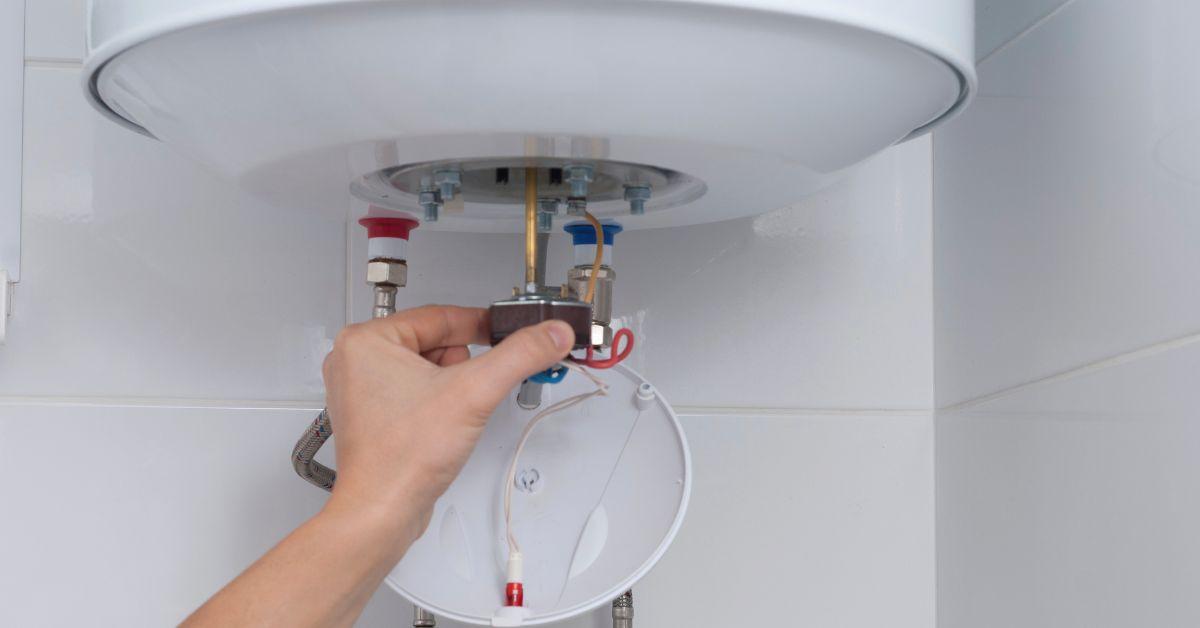
    Water heaters play a significant role in our daily lives, providing warm water, especially in freezing temperatures. However, various factors like hard water cause water heater problems. Hard water causes lime and sediment buildup over time, leading to the calcification of heating elements. In addition, homeowners ignore the water heater maintenance causing the water heater elements to use more energy. Consequently, faulty water heater elements cause high energy bills. Consulting with a professional water heater repair in Sacramento can help. Experts have the training and tools to solve the problem.

    Identifying the Common Faulty Heating Elements is Necessary to Conduct Efficient Testing.

    Symptoms of the Harmful Heater Elements Include:

    1. Lukewarm water
    2. Insufficient quantity of hot water
    3. No hot water
    4. Rusty pipes and rusty water
    5. Corroded inlet and valves
    6. Hot water runs out faster than usual
    7. Water leaks
    8. Constant tripping of the water heater circuit
    9. Unusual sounds

    Some full-sized residential water heaters have top and bottom heating elements, but smaller ones have a single heating element. Water heaters with two components have different purposes for each. Consequently, the specific symptoms can help you identify the malfunctioned part, aiding in testing.

    Symptoms of a Bad Upper Heating Element:

    1. No hot water
    2. Hot water doesn’t reach the thermostat-specified temperature

    Symptoms of a Bad Lower Heating Element:

    1. Less quantity of hot water
    2. Hot water runs out faster than usual

    If you’re experiencing any of these symptoms, consulting with the water heater experts for testing is mandatory.

    If you want to install a water heater using a DIY approach, consider your decision because installation without knowledge and experience can lead to unexpected damage. Consulting with an emergency water heater installation in Sacramento is the best solution. Professionals also guide you about the care and prevention for long-term benefits.

    Identifying the Following Problems Can Help You Fix Your Water Heater:

    1. Damaged thermostat
    2. No power
    3. Defective element

    Conclusion

    These symptoms help you act fast on deteriorating water heaters. Treating a lousy water heating element is crucial for improved efficiency and longevity. As you use a water heater with faulty heating elements, the sediment accumulation continues to grow, affecting efficiency—the heating element calcification results in high energy consumption and increased utility bills. Additionally, prolonged heating causes wear and tear, leading to potential cracks and leaking. If water heater leaks go unnoticed, you might face extensive damage. Consulting with experts and scheduling an inspection go a long way.

  • No Hot Water Who to Call

    No Hot Water Who to Call

    Nothing is quite as infuriating as turning on the taps in anticipation of a hot shower, only to be greeted with ice-cold water. Moreover, not knowing whom to call for assistance in such chilly situations is more perplexing. Fortunately, we’ve got the answers laid out for you right here. This blog will give you the low-down on whom to contact when your water heater has you dealing with cold showers and shivering sink users.

    We delve into the following reasons an expert may be the best person to call when faced with no hot water:

    • They have extensive experience with various heating systems.
    • They can quickly identify the root of the problem.
    • They are skilled in water heater repair and installation.
    • They can provide precise advice on maintenance and potential upgrades.

    Seek Assistance From an Expert for the Following Reasons

    • In-depth Experience With Different Heating Systems:

    Not all water heater problems are alike. There can be a wide range of issues causing your lack of hot water, from simple thermostat malfunctions to more complex problems with the heating elements or tank. An expert well-versed in water heater repair in Sacramento knows the technical nuances of different heating systems, implying they can diagnose your problem quickly and accurately.

    Related Article – How Often Do Water Heaters Need To Be Replaced?

    • Quick Identification of the Root Problem:

    Calling a plumbing and heating specialist means they can quickly pinpoint the exact cause of your water heater’s failure. It is because they’ve dealt with numerous similar situations before and are skilled in spotting the underlying problems. By engaging someone with experience in water heater repair and installation, you’ll get a swift diagnosis of the issue and an equally prompt solution.

    • Adroit in Water Heater Repair and Installation:

    When you call a water heater repair expert, you can be confident that you’re hiring someone with the abilities and experience who won’t just detect but also repair the problem. Whether it’s the heating element, gas valve, tank, or another part of the system requiring repair, a specialist can handle the task quickly and efficiently.

    Additionally, if your water heater is beyond repair, calling a professional for water heater installation in Sacramento ensures a safe and seamless transition to a new system.

    • Handy Recommendations on Maintenance and Potential Upgrades:

    One of the most significant benefits of calling a water heater repair specialist is that they can provide valuable advice on upkeeping your current system and potentially upgrading it to a more efficient model.

    Regular maintenance can help extend the life of your water heater and minimize the chances of unexpected breakdowns. An expert can recommend a routine and suggest when it might be time to consider modifying your water heater.

    The Bottom Line:

    With a conspicuous understanding of the perks of calling an expert in water heater repair and installation, you’ll know whom to call when you find yourself without hot water. Don’t bother with DIY fixes or dabbling in potential quick fixes that may escalate the issue. Instead, turn to an experienced professional who can precisely identify the problem, repair or replace your water heater, and offer helpful advice on keeping it running smoothly for indefinite years.

    No more shivering showers and icy morning hand washes—reach out to a water heater repair and installation expert and have your hot water woes sorted in a flash.

  • How to Choose the Right HVAC Contractor

    How to Choose the Right HVAC Contractor

    Your HVAC system is your home’s essential component, providing you with comfort and safety all year round. When it comes to choosing the right HVAC contractor, selecting the right person is an important decision, especially when you live in a warm climate like Sacramento.

    However, with so many contractors available, how do you know which one will provide the best service and value for your money? Fortunately, some tips can help you make an informed decision and find an excellent HVAC contractor.

    We have demonstrated the right way to shortlist the ideal HVAC contractor to fulfill all your needs, whether heating repair, Air Conditioner Service in Sacramento, or any other HVAC-related service.

    Ways to Choose the Right HVAC Contractor

    • Do Your Research:

    Research is paramount before finalizing any HVAC contractor. Look for companies with positive reviews and testimonials from past customers. Verify their website and social media pages for in-depth information about their services, experience, and qualifications. Selecting an experienced and recognized company is imperative to ensure you receive the best possible service.

    • Inspect for Licensing and Insurance:

    Ensure your selected HVAC company in Sacramento is licensed and insured. It protects you in case of any accidents or damage that may occur during the installation or repair process. You can check with the California Contractors State License Board to ensure the contractor you’re considering is properly licensed.

    • Get Multiple Quotes:

    Don’t settle for the first HVAC contractor you come across. Get multiple quotes from different companies to compare prices and services. Ascertain each quotation includes the same services and products so that you can accurately compare the costs.

    • Seek References:

    Ask the HVAC company for references from past customers. Contact these references to ask about their experience with the contractor, including the quality of their work, timeliness, and customer service. It will give you a better idea of what to expect from your chosen company.

    • Consider the Experience of HVAC contractor:

    Choose an HVAC contractor with experience in the type of service you need. For example, if you need heating repair in Sacramento, look for a company with expertise in this area. The more experience the contractor has, the more likely they are to have the skill to handle your specific needs.

    • Check for Warranties and Guarantees:

    Verify whether the HVAC contractor you hire provides warranties and guarantees on their work, so you won’t be stuck with the price if something goes wrong with the installation or repair. Choose a provider that guarantees satisfaction to ensure you are entirely happy with their service.

    Related Article – How Often Should HVAC Be Serviced?

    The Bottom Line

    Selecting the right HVAC contractor requires some research and due diligence. Look for an experienced, licensed, insured company with positive reviews and references. Get multiple quotes and compare prices and services. Ensure the contractor you choose has experience in the type of service you need and offers warranties and guarantees on their work. By following these tips, you can rest assured knowing that you have chosen the right HVAC contractor for your requirements.

  • Warning Signs Hot Water Heater Going Out

    Warning Signs Hot Water Heater Going Out

    The water heater is your home’s vital appliance, offering constant hot water to fulfill your home’s daily requirements, ranging from bathing and washing dishes to laundry. However, most homeowners take hot water for granted unless something goes wrong. Fortunately, since water heaters seldom fail without indications, understanding the warning signs is therefore critical, safeguarding your plumbing system from a leak or abrupt breakdown. Consider the following warning signs indicating new water heater installation in Sacramento.

    Ominous Warning Signs

    Dirty/rusty Water:

    Rusty or brown-colored water from the hot water faucets signifies water heater replacement, indicating water pipes and tank are corroding inside the tank, leading to cracks and leakage. However, rusting in the water doesn’t always indicate the necessity for a new water heater. The zinc anode rod inside the tank draws the inevitable corrosion that develops when water and metal interact, causing the rod to corrode and eventually be damaged. Hence, call an experienced plumber to examine whether you need a new water heater or a simple anode rod replacement.

    Leaking Hot Water:

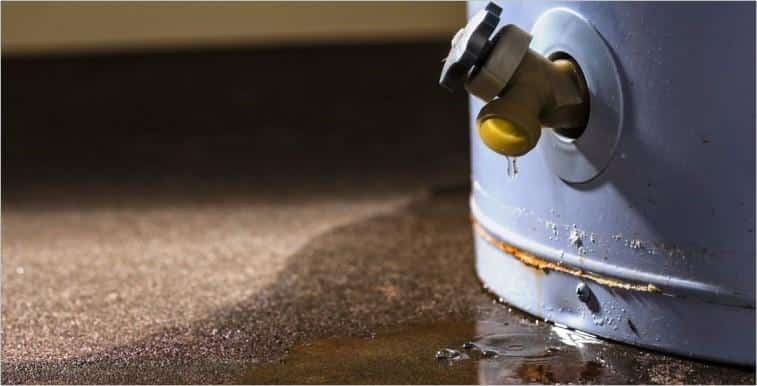
    Leaks in the water heater are an apparent indication of the water heater failing. Experiencing water pooling at your heater’s base is probably time to replace it. Seek assistance from the trained plumber instantly before trivial cracks escalate and risk exploding. Consider turning off the water heater and water value that feeds into the tank if you observe leaks from your water heater.

    Unusual Noises:

    Pay attention to the peculiar noises emanating from your water heater. Call the hot water heating repair Sacramento professional if you hear noises like popping, cracking, rumbling, slamming, or other odd noises. These noises might be the early symptom of other problems. Thus, instead of overlooking them, call the professional to inspect them.

    Aged Water Heater:

    Typically, a water heater lasts for 8-15 years. If your water heater is over ten years, it’s approaching its useful life and needs replacement as soon as possible. Check the serial number if you’re unclear about your water heater’s age, wherein the first two digits signify the year, and the last ones denote the month, followed by the year number. For more clearance, you may check the heater’s handbook.

    Inaccurate Shower Water Temperature:

    Inconsistency in water temperature is a telltale sign of a failing water heater. If your heater has a thermostat problem, it can easily be replaceable. On the contrary, you might have a significant problem if the heating components are damaged. But still, examine your heater’s age. Updating the water heater to an energy-efficient one might be less expensive while saving you the expenses.

    Lower Water Pressure:

    Sediment accumulates more rapidly in the home, experiencing low water pressure. Understanding soft and hard water is also a concern, as hard water blocks the water faster than soft water. If your home encounters low water pressure from your faucets, your water heater might have significant sediment buildup, indicating a failing water heater. However, you can extend your water heater’s life with preventative measures.

    The warning indicators of a failing water heater shouldn’t be overlooked. Be meticulous if you experience any of the above-cited signs and get examined your water heater by a professional. Contemplate upgrading your water heater to a more efficient one if you want to replace it.

  • How Do You Know When to Replace a Hot Water Heater?

    How Do You Know When to Replace a Hot Water Heater?

    Nothing surpasses a relaxing shower to start your day correctly. Most homeowners take this hot, water-flowing luxury for granted. However, if you don’t want to miss these pleasures, comprehending the telltale signs of water heater repair or replacement is pertinent, requiring you to take action as soon as possible for onsite water heater repair in Sacramento.

    Homeowners must always be vigilant regarding their water heater maintenance. According to the manufacturer, the water heater’s average expected lifespan is 12 years, whereas the tankless heaters endure up to 20 years before being replaced. As water heater ages, they may deteriorate with time, irrespective of the type of water heater you have installed. Thus, examining it for the following problems is vital, notably if it’s approaching the end of its usefulness.

    The Signs to Consider for Water Replacement

    It Has Surpassed Its Serviceability:

    Water heaters, like other equipment, have a limited lifespan, with some reaching their limit sooner than others. For instance, you haven’t flushed or drained your water heater for at least a year. Since water heaters have a limited lifespan of six, nine, or twelve years, it’s the best indication of when to expect their replacement. If your water heater has outlived its usefulness for any reason, it’s high time to replace it.​

    Rusted, Sandy, and Murky Water:

    Experiencing discolored water is another sign of an aging water heater. Since there could be several reasons for this, it doesn’t mean your water heater needs replacement. Corrosion causes rust accumulation, leading to leaking in the water supply, culminating in colored water flowing from the faucets. However, consider running cold tap water for a few minutes before blaming your water heater. If the water is rusty, your pipes are probably a culprit rather than the heater. You might need to install a new water heater if it isn’t.

    Sediment accumulation in the heater tank is the reason for murky or sandy water, necessitating draining the tank and discarding the silt. Overlooking this problem may lead to water heater replacement.

    Your Electric Bills Are Exorbitant:

    If your energy bills cost you an extortionate amount, your water heater probably isn’t functioning appropriately, requiring you to purchase an energy-efficient water heater. However, if your model is energy efficient, it might need professional maintenance.

    Creaking Noises From the Water Heater:

    With age, the water heater’s groaning noises to heat water may become noisier for varied reasons, like sediment build up in the tank, indicating water heater replacement. Sediment accumulation triggers the sound of solidified silt slamming against the tank. It will become harder and thicker throughout the floor if not flushed out, eventually wearing down the water heater, making it less efficient and hastening the tank’s lifespan. Thus, taking protective measures can help avert future damages while extending its longevity.

    Hot Water Volume Loss:

    Getting a limited amount of warm water is another apparent sign of water heater replacement. If you discover less quantity of hot water in the morning, it’s the sign that your water heater is on its last legs, substantiating heating repair in Sacramento.

    Multiple Repairs:

    Since water heaters should only be serviced twice a year, consider noting how many times your water heater has required repair in a year. It’s the best approach to determine when it needs to be replaced. If your water heater necessitates multiple repairs in the year, plan for a new installation; instead of investing money to extend its life. Consult with the best professionals for water heater replacement and repair and take advice on whether it’s time to replace it.

  • What is the Best SEER Rating for AC?

    What is the Best SEER Rating for AC?

    SEER rating (Seasonal Energy Efficiency Ratio) is the most substantial component when looking for an air conditioner. It measures the air conditioner’s efficacy in cooling your home. Moreover, high SEER-rated units are deemed more energy-efficient than lower-rated ones. Hence, always examine the SEER rating of the AC brand you are interested in to eliminate investing money in an air conditioner that raises your monthly energy expenses. Let’s move further to know the ideal SEER rating for AC.

    Finding the Best SEER Rating for AC!

    Whether replacing an old AC or going for a new air conditioning installation in Sacramento, evaluating its SEER rating is predominant. As cited above, it’s a rating demonstrating how effectively an AC unit will cool your house, especially indicating energy use. Its rating is measured in BTUs (British Thermal Units), and a device with a high BTU rating is more efficient. Explicitly, if an AC unit has a high SEER rating, it will use substantially less energy to chill your home, providing cost-saving and environmental protection.

    Presently, 25 is the maximum SEER rating for all conditioners, making it approximately 50% more energy-efficient than lower ones and 44% more than minimum ones, which is 14 SEER. Furthermore, SEER is more extensive than EER ( Energy efficiency ratio) rating since it delivers an AC rating under optimum conditions (95 degrees F). Throughout the summer, SEER ratings highlight an AC’s efficacy between 65°F and 104°F, which is typically derived from the following formula:

    SEER = (1 × EER100% + 42 × EER75% + 45 × EER50% + 12 × EER250%)/100

    Is the SEER Rating All You Need?

    Although the SEER rating is an essential component of an AC system, it’s not solely responsible for influencing an AC’s performance since another vital element is installation. Hence, ensuring the installation is accomplished appropriately is imperative after determining the optimum SEER rating AC. Improper installation may disrupt AC’s performance, regardless of the higher SEER rating. Employ the best HVAC company in Sacramento to get quality results. Also, address the following issues to guarantee that your AC performs adequately and is not affected by environmental forces.

    • Ample indoor space is vital for the new installation, repair, and maintenance. Ensure your technician provides access to the furnace or ductwork, enabling the evaporator coil’s feasible accessibility and maintenance.
    • The duct-sizing process should be used by the technician, and also ensure sealed and insulated ducts.
    • Consider installing adequate return air registers to eliminate warm air from your space while returning it to the unit.
    • Place your thermostat away from heat sources to guarantee it reads the appropriate ambient room temperature.
    • Verify that the refrigerant charge and airflow rate are precise as specified by the manufacturer.

    Maximizing a Lower SEER AC Unit

    You can boost your AC’s efficiency in your house if it has a lower SEER rating. Implementing the following measures may assist in ensuring that a 14 SEER unit function like a higher SEER unit.

    • Resealing and double-insulating the ducting
    • Installing attic exhaust fan
    • Utilizing Low-E windows and solar screens
    • Installing radiation barriers on the roof
    • Double-insulating the ceiling

    Utilizing these methods may help you obtain the low SEER’s maximum performance if you don’t have the optimum SEER rating for AC units.

  • Can You Still Use Water If The Water Heater Is Leaking?

    Can You Still Use Water If The Water Heater Is Leaking?

    Where you reside determines the location of your water heater. Most water heaters are either in the basement or garage of the home. Due to the sheer nature of the appliance, you only think about examining it sometimes. As long as hot water is available when you need it, the water heater is usually out of sight and out of mind.

    Consider inspecting your water heater regularly to save time and money. However, noticing a leak in your water heater does not necessitate calling the HVAC company Sacramento Professionals to replace the entire unit. So, can you still use water if the water heater is leaking? Yes, depending on the type of water heater, you can use water if it leaks. Resolving leaks in gas and electric water heaters require distinct tactics. Drain the water and turn the power off to avoid further water damage.

    Let us delve deeper into what might cause the water heater to leak and the measures to take while experiencing that!

    What is Causing The Leak?

    Water leaks in water heaters are widespread. They are usually a clear indicator that your water heater needs to be serviced or replaced. Here are some potential leak reasons.

    Age:

    Most water tanks can endure up to 10 years without needing water heater repair in Sacramento. However, all of this depends on the environmental conditions associated with where you reside. Since frigid temperatures might shorten your water heater’s life, keep note of its annual maintenance.

    Inlets and Outlets:

    Check your cold and hot water inlets and outlets to ensure they aren’t leaking. Consider examining both regions yearly due to their susceptibility to deterioration.

    Temperature Gauge and Pressure Relief Valve:

    These two components of the water heater might fail at any time. If the temperature of your water heater rises too rapidly, the pressure release valve and temperature gauge may be destroyed, resulting in a leaky water heater.

    Drain Valve:

    There is always the possibility of a leak whenever a valve is coupled with an appliance. In this instance, a drain valve will drip to allow the silt to escape from the water heater. Discovering more than a leak from the drain valve can be a cause of severe concern. Hence, drain the tank and check to see if the issue remains.

    Tank Itself:

    If the leak is in the tank itself, you will notice a flood rather than a leak. It’s time to switch off the power to the tank and hire a plumber to replace it.

    When Should You Call A Professional?

    When there is a water issue in the home, it is a good idea to contact your local home inspection service. A competent certified plumbing contractor might be referred to you by the local house inspection team. The contractor can address your worries about utilizing water while the water heater leaks. When considering replacing a water heater, contact your local home inspection team to learn about all your water heater choices before hiring the incorrect plumbing professional.

  • Why Is My House AC Not Blowing Cold Air?

    Why Is My House AC Not Blowing Cold Air?

    Is your AC not blowing cold air? If not, hot weather will make you and your family miserable. Nobody wants to be uncomfortably hot so fixing your air conditioner is imperative. A malfunctioning thermostat, uncleaned filters or compressors, and low refrigerant levels are a few causes for a house AC not blowing cold air.

    Generally, air conditioning units may last for over ten years before the compressor wears out. If your AC is not that old, consider the few common issues and troubleshooting tips to get your AC working again. Also, get periodic HVAC maintenance from the best HVAC company in Sacramento to avoid surprises.

    Possible Causes For Your House AC Not Blowing Cold Air

    Leaking or Low Refrigerant:

    The refrigerant may be the culprit if your central AC is not blowing cold air. It is the chemical that initiates the whole process. The unit may be running low and require extra refrigerant. The leak is most likely the cause of this, preventing the AC from cooling correctly and causing other issues in the home. If you suspect a refrigerant leak, contact an HVAC professional to diagnose and fix the problem instantly. Trivial leaks are hard to detect and repair.

    Dirty Or Clogged Filters:

    Clogged and uncleaned filters are another prevalent issue with AC units. Filters work consistently throughout the year, trapping lint, pollen, dust, and hair. They may accumulate dust and debris over time and disrupt the HVAC system’s optimal working if not changed regularly. Improper working of the air conditioner may increase the inside temperature. In addition to the regular maintenance, the filters need replacement every three months. However, if you have pets, you may need to change them more frequently.

    Problem With The Condenser Or Evaporator Coil:

    Filters do their best to clean the coil and ensure its peak performance, but the coil may wear out over time. Your indoor evaporator coil may be prone to mildew and mold due to constant moisture. If the refrigerant is running low within the system, it may cause the coil to freeze up. Problems with the coil will create a significant disturbance and must be addressed by an HVAC specialist as soon as feasible. Consider inspecting your condenser when your air conditioner isn’t blowing cold air; no other reason is found since it may wear out over time.

    Thermostat Issue:

    The thermostat is where everything begins. Until the air temperature in the room rises above the control setting, the air conditioner will not turn on. Ensure the thermostat setting hasn’t been changed and is set to auto or cool. However, if it’s set correctly and the AC doesn’t turn on, the issue may be with the thermostat. Consider checking and replacing its batteries. If that doesn’t resolve the issue, call the professionals for air conditioner service in Sacramento.

    Clogged Registers:

    Blocked or clogged registers restrict the airflow and cause problems. The ventilation system extends throughout the home, and if something causes a clog or leak in the ductwork, it may affect the cooling. Tear or holes in the ductwork and pest infestation in the attic may develop leaks that affect your system’s working. If only one room is warm, ensure the supply vent is fully open. It is a time when you need to think about its replacement since the repair will eventually cost you more.