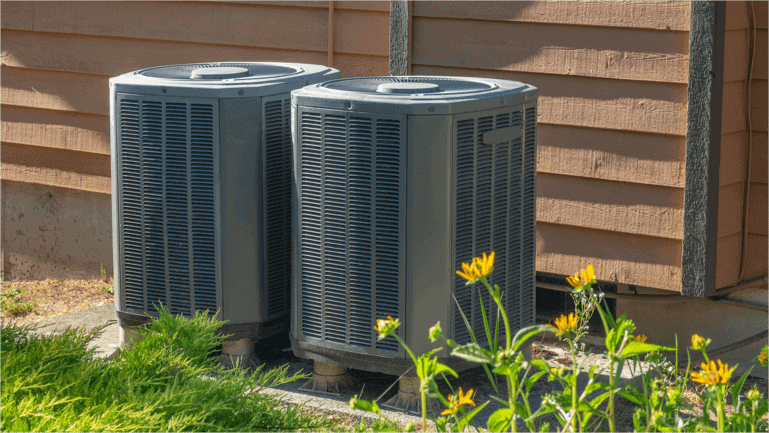
Category: hvac repair

  • What is the Most Energy-Efficient HVAC system?

    What is the Most Energy-Efficient HVAC system?

    The HVAC System is one of the most important parts of a home or a building. A building would be non-functional without one in place. The HVAC system helps regulate the temperature in buildings, providing a cozy environment. 

    The concept of energy-efficient HVAC units means that your Unit will consume less energy, thus saving you money on energy bills in the long run.

    But the question is, what makes an HVAC Unit energy efficient? We will answer that in a bit.

    Segment of Cities We Serve for HVAC and Plumbing Services

    Most Energy Efficient HVAC System

    In every machine of the modern age, people look for energy efficiency, and that is no different in the case of an HVAC System. Since HVAC Systems take a massive chunk of the monthly energy bills, it has to be energy efficient.

    Generally, numerous factors go into making an HVAC System energy efficient, mainly the type of system you have. Minor changes to your HVAC System can make a huge difference in energy efficiency.

    First, let’s look at the different scientific ratings that make an HVAC System energy efficient.

    1. Seasonal Energy Efficiency Ratio (SEER)

    SEER is like a score that tells you how good your HVAC System is at keeping things cool. We measure it using BTUs (which show how much cool air it makes) and kilowatt hours (which show how much electricity it uses). 

    The higher the SEER score, the better your HVAC energy efficiency. This score looks at how well it cools things in real-life situations. So, the higher the number, the more efficient and money-saving your cooling system is.

    2. Energy Efficiency Ratio (EER)

    When we talk about how good HVAC Systems are at saving energy, we look at something called an EER rating. Unlike other ratings, EER doesn’t look at average performance across seasons. 

    Instead, it’s tested in really controlled lab conditions. Like with a SEER rating, a higher EER number means the HVAC System is better at saving energy. So, the higher the EER number, the more energy-efficient the system is.

    3. Heating Seasonal Performance Factor (HSPF)

    The HSPF rating is like a badge of honor for your HVAC’s heat pump. It tells us how well the system uses electricity to make your space cozy. 

    Here’s the trick: The higher the HSPF rating, the better the HVAC performs. So, when you see a high HSPF, you know your home will be comfy without using too much electricity. 

    Experience Ultimate Comfort –

    Schedule Your HVAC Service Today

    7 Tips on How to Make HVAC more efficient?

    The most important question when we talk about energy-efficient HVAC Systems is –

    Do I need to buy a new one for it to be energy-efficient, OR are new HVAC systems more efficient? 

    The answer is no, absolutely not

    Instead, you can make energy-efficient adjustments to your HVAC System, which will significantly reduce your energy consumption and, in turn, reduce energy bills.  

    1. Increase the insulation of your Building

    To make your HVAC System more energy efficient, you must have a well-insulated home. You cannot expect your HVAC to give its best when poorly insulated walls let air escape.  

    Properly insulating the walls will not let air escape, and your HVAC system will not have to consume more energy to keep the house cold or hot. 

    2. Start using programmable controls and thermostats

    Having a thermostat and programmable controls in your house is the best way to make your HVAC System more efficient. Once installed, this system will automate temperature control. This will allow the temperature in the home to change according to the temperature outside. Thus taking off some of the load of the HVAC System. 

    Small changes in temperature around the home adjusting to the outside can drastically decrease the money spent on the HVAC system.

    3. Keep the HVAC unit free of dust and debris

    Do Not let dust and debris settle in your HVAC unit, as it can make your Unit work harder and increase your bills. Dust and debris settle inside the pipes, making it harder for the system to push out the hot and cold air.  

    Also, keep an eye on the air vents and see if furniture and curtains are blocking them, thus making it harder for the air to flow smoothly. 


    4. Make wise use of your curtains and blinds

    In summer, use your curtains and blinds to block out the heat of the sunlight coming through the windows. This will allow your house to cool down faster and maintain a cooler temperature. 

    On the other hand, during the winter, remove the curtains and blinds, allowing the sunlight to enter your home, thus heating your home naturally to some extent. This will make the HVAC System work less and reduce your energy bills to some extent. 

    5. Regular maintenance of HVAC System

    This is something that needs not be repeated. Yet most people miss out on the most important rule of having an HVAC System. Before the beginning of each season, you need to check your HVAC System once to ensure everything is working just fine. 

    This will not only avoid sudden system failures but also save you from costly repairs down the line.

    6. Start using fans Frequently

    Fans play a vital role in making your HVAC Systems energy efficient. Whether your HVAC system is set on cold or hot, it doesn’t matter. You can still use your fan to circulate the air inside your house. 

    Using this method, you can circulate both cold and hot air around the house, and your HVAC System doesn’t have to use a lot of energy to cool down or heat up the house. 

    7. Use your dryer and oven consciously during the summer

    Using the dryer or the oven produces more heat. Especially during the summers, if you run them in the afternoon when the temperatures are at their peak, your HVAC System has to work harder to maintain a colder temperature, leading to more energy consumption and higher energy bills.

    Explore Our HVAC and Water Heater Services
    Furnace Repair Services Heating Repair Services Water Heater Repair Services
    Water Heater Installation/ Replacement Air Duct Replacement AC Repair and Installation

    Energy Efficient HVAC Services in Sacramento

    Ready to save money and the environment? Upgrade to an energy-efficient HVAC system with Heald Mechanical – your trusted HVAC experts since 1910. Even if a new system isn’t on your radar, small changes and energy-efficient habits can still cut your electricity bills. Choose Heald Mechanical for the best HVAC service in Sacramento. Let’s make your home comfortable and eco-friendly. Contact us today for all HVAC repairs, installations, and maintenance.

    Takeaway

    An energy-efficient HVAC System is beneficial for you, saving you tons of money, and is also better for the environment. Upgrading to a new HVAC System is a great choice, saving you a couple hundred dollars a month. But even if you don’t want a new HVAC System, you can always choose to make a few changes to your home or take up energy-efficient habits to save money on your electricity.

    Quick Heating and Cooling Solutions –

    HVAC Services Just a Click Away. –
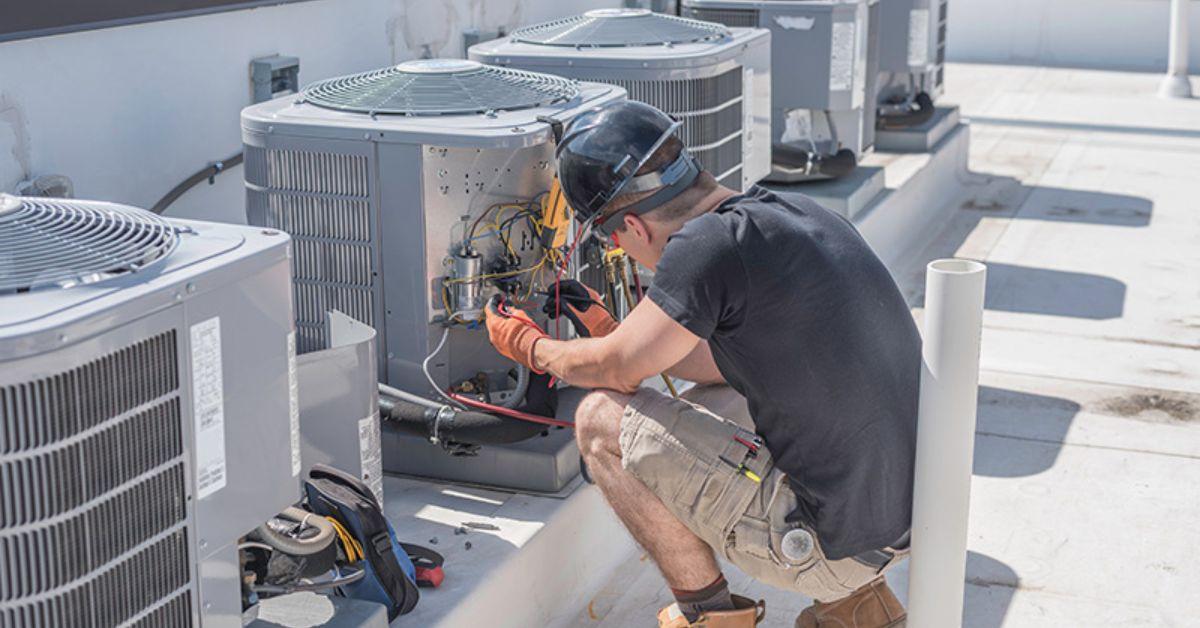
    Frequently Asked Questions

    Yes, high-efficiency HVAC is worth it. It saves energy and money, keeping your home comfortable while being kind to your wallet.
    Absolutely. Cleaning air vents boosts HVAC efficiency by ensuring smooth airflow, reducing strain on the system and improving overall performance.
    A Right-sized HVAC system matches your home’s needs, ensuring efficiency. Oversized ones waste energy, while undersized ones struggle to keep your space comfortable.
    To improve HVAC efficiency, you have to maintain regular system checks, clean or replace filters, seal ducts, and consider programmable thermostats. These simple steps will improve HVAC efficiency, thus saving energy and costs.
  • What Does an HVAC Technician Do?

    What Does an HVAC Technician Do?

    In the realm of home comfort, HVAC technicians emerge as the unsung heroes, diligently working behind the scenes to ensure your heating, ventilation, and air conditioning systems run seamlessly. But what exactly does an HVAC technician do? Let’s unravel the mystery and discover the diverse roles they play in keeping your indoor environment just right.

    What exactly does an HVAC technician do?

    1. Installation, Maintenance, and Repair: HVAC technicians are the wizards who bring comfort to your home. They handle the installation of HVAC systems and carefully set up heating, ventilation, and air conditioning units. Beyond the initial setup, these experts are the caretakers, providing ongoing maintenance and swift repairs to keep your systems humming.
    2. Troubleshooting Masters: When your HVAC system throws a tantrum, HVAC technicians don their troubleshooting capes. They identify and solve issues efficiently, ensuring your system operates smoothly. Whether it’s a mysterious noise, an unexpected chill, or uneven heating, these technicians are equipped to tackle any challenge.
    3. Ductwork Installation and Repair: Ever wondered how conditioned air flows through your home? HVAC technicians are responsible for installing and repairing ductwork, the hidden pathways that distribute the perfect temperature throughout your space. It’s like creating a network of comfort behind your walls.
    4. Safety Compliance: Safety first is the mantra for HVAC technicians. They adhere to strict safety regulations and guidelines, ensuring that every aspect of their work complies. Your well-being is their top priority, from the installation phase to routine maintenance and repairs.
    5. Energy Efficiency Champions: Saving energy and saving you money – HVAC technicians are on a mission. They recommend and implement measures to optimize the energy efficiency of your HVAC systems. From adjusting settings to suggesting upgrades, these experts ensure your comfort comes with a side of environmental responsibility.
    6. Customer Service Extraordinaire: HVAC technicians are not just technical wizards; they’re also excellent communicators. They interact with customers, explaining issues in plain language, discussing solutions, and offering valuable maintenance tips. It’s not just about fixing machines; it’s about ensuring you understand and feel confident in your HVAC system.
    7. Maintaining Accurate Documentation: Behind the scenes, HVAC technicians diligently keep records of installations, repairs, and maintenance activities. This meticulous documentation is crucial for tracking system performance and ensuring that your HVAC system receives the care it deserves.
    8. Learning All the Time: The HVAC world is ever-evolving, and technicians stay on top of industry trends and best practices through ongoing training and education. This commitment to learning ensures they bring the latest knowledge and techniques to every job, offering you the best in HVAC services.

    Types of HVAC Technicians

    HVAC technicians come in various specialized roles, each tailored to specific aspects of the heating, ventilation, and air conditioning field. Here’s a concise breakdown:

    1. Residential HVAC Technicians: Specializing in residential settings, these experts focus on heating and cooling systems in homes and apartments. They are well-versed in the equipment, ductwork, and controls commonly used in residential HVAC systems.
    2. Commercial HVAC Technicians: Working on a larger scale, commercial HVAC technicians deal with systems in office buildings, retail stores, hotels, and hospitals. They handle more complex systems, including rooftop units, chillers, boilers, and centralized control systems.
    3. Industrial HVAC Technicians: In industrial settings like factories or warehouses, these technicians tackle specialized HVAC systems designed for industrial processes. This may involve large-scale ventilation, refrigeration, or process cooling systems.
    4. HVAC Installers: Installation specialists who work closely with builders and project managers. They ensure proper setup of HVAC equipment, connecting ductwork, mounting units, and ensuring correct electrical connections.
    5. HVAC Maintenance Technicians: Focused on routine maintenance and inspections, these technicians perform regular system checks, replace filters, lubricate moving parts, and troubleshoot minor issues to prevent breakdowns and enhance energy efficiency.
    6. HVAC Service Technicians: Responding to service calls, these technicians diagnose and repair HVAC system issues. They possess strong diagnostic and problem-solving skills to quickly identify and resolve malfunctions.
    7. Controls and Building Automation Technicians: Specializing in control systems and building automation, these technicians optimize HVAC system performance using programmable thermostats, sensors, and control panels. They ensure proper temperature and humidity control while monitoring energy usage.
    8. Energy Efficiency Specialists: Focused on maximizing energy efficiency, these specialists analyze consumption, recommend energy-saving measures, and conduct audits to identify opportunities for improvement. They may also guide renewable energy sources and energy management systems.

    In the diverse world of HVAC, each technician plays a crucial role in ensuring efficient, effective, and tailored solutions for different environments.

    Conclusion

    In the dynamic world of HVAC, technicians wear numerous hats to guarantee your comfort. From installation to maintenance, troubleshooting to safety compliance, they are the silent guardians of your indoor environment. And if you ever find yourself in need of HVAC services, consider reaching out to Santos HVAC Services. With their team of skilled technicians, they’re committed to making your HVAC experience smooth, efficient, and, above all, comfortable. After all, everyone deserves a home where comfort is guaranteed, and HVAC technicians are the ones making it happen.

  • How Often Should the HVAC System be Serviced?

    How Often Should the HVAC System be Serviced?

    Your HVAC system is the heartbeat of your home’s comfort. To ensure it runs smoothly throughout the year, regular maintenance is crucial. In this blog, we’ll break down the key components of HVAC maintenance, offering a comprehensive guide to keep your system in top shape.

    These inspections are best in the autumn for your heating system and in spring for your air conditioning system. That way, you can address any flaws and prepare your systems for the seasons when you depend on them the most. Schedule the HVAC service or preventative maintenance from the best HVAC company in Sacramento to avoid unexpected repairs or replacements.

    Overview of How Often Should the HVAC System be Serviced?

    Heating and Cooling Systems:

    • Frequency: Ideally, HVAC systems should be serviced twice a year.
    • Timing: Schedule maintenance in the spring for cooling systems and in the fall for heating systems.
    • Purpose: Regular maintenance helps identify and address issues before the peak of the heating or cooling season.

    Air Filters:

    • Frequency: Check and replace air filters every 1-3 months.
    • Purpose: Clean filters contribute to better indoor air quality and prevent strain on the HVAC system.

    Ductwork:

    • Frequency: Inspect and clean ductwork every 3-5 years or as needed.
    • Purpose: Clean ducts improve air quality and system efficiency.

    Thermostat:

    • Frequency: Check and calibrate thermostats annually.
    • Purpose: Ensure accurate temperature control and system efficiency.

    Refrigerant Levels:

    • Frequency: Check refrigerant levels at least once a year.
    • Purpose: Proper refrigerant levels are crucial for cooling efficiency.

    Condensate Drain:

    • Frequency: Inspect and clean the condensate drain annually.
    • Purpose: Prevent clogs that can lead to water damage and system malfunctions.

    Outdoor Unit:

    • Frequency: Clear debris around the outdoor unit regularly.
    • Purpose: Unobstructed airflow improves system efficiency.

    Heat Exchanger and Burners (for Furnaces):

    • Frequency: Inspect annually.
    • Purpose: Ensure safe and efficient operation.

    Ventilation and Airflow:

    • Frequency: Check and adjust airflow in individual rooms as needed.
    • Purpose: Ensure consistent comfort throughout the building.

    Professional Inspection:

    • Frequency: Schedule a professional HVAC inspection at least once a year.
    • Purpose: Professionals can identify and address issues that may not be apparent during routine homeowner inspections.

    How Often To Service Your Water Heater?

    Your water heater quietly provides the comfort of hot showers and clean dishes. To ensure it keeps delivering, how often should you service your water heater? Let’s dive into the details.

    Benefits of Regular Servicing:

    • Efficiency: Maintains optimal heating efficiency.
    • Extended Lifespan: Prevents premature wear and tear.
    • Cost Savings: A well-maintained heater operates more efficiently, reducing energy costs.
    • Prevention of Issues: Identifies and addresses potential problems early on.
    • Improved Water Quality: Regular maintenance helps prevent sediment buildup and ensures cleaner water.

    Frequency:

    • Professional Service: Annually is the general recommendation.
    • DIY Maintenance: Regularly check for signs of issues and perform basic tasks like flushing sediment.

    Signs Your Water Heater Needs Attention:

    • Insufficient Hot Water: If the supply doesn’t meet your needs.
    • Strange Noises: Unusual sounds may indicate sediment or other issues.
    • Leaks: Any signs of water around the unit.
    • Rusty Water: Indicates corrosion inside the tank.

    How Often To Service Your Heating System?

    Your heating system is the heart of coziness during chilly seasons. To keep it operating at its best, how often should you service your heating system? Let’s explore the optimal frequency.

    Benefits of regular servicing:

    • Efficiency Boost: Maintains peak heating performance.
    • Extended Lifespan: Prevents premature wear and tear.
    • Cost Savings: Efficient systems consume less energy, reducing utility bills.
    • Prevention of Breakdowns: Early identification and resolution of potential issues.
    • Improved Indoor Air Quality: Clean filters contribute to a healthier home environment.

    Frequency:

    • Professional Service: Schedule annual maintenance before the heating season.
    • DIY Maintenance: Regularly check filters and keep an eye out for any unusual signs.

    Signs Your Heating System Needs Attention:

    • Uneven Heating: Certain areas not warming up as expected.
    • Strange Noises: Unusual sounds during operation.
    • Increased Energy Bills: A sudden spike without a clear reason.
    • Poor Air Quality: Dust, debris, or unpleasant odors.

    How Often Should You Have Your AC Serviced?

    Your air conditioner is the unsung hero of summer, offering a cool escape from the heat. But to keep it performing at its best, how often should you service your air conditioner? Let’s uncover the optimal frequency.

    Benefits of regular servicing:

    • Efficiency Boost: Maintains optimal cooling performance.
    • Extended Lifespan: Reduces wear and tear, delaying the need for replacements.
    • Cost Savings: Efficient systems consume less energy, leading to lower utility bills.
    • Prevention of Breakdowns: Early identification and resolution of potential issues.
    • Improved Indoor Air Quality: Clean filters contribute to healthier indoor air.

    Frequency:

    • Professional Service: Ideally, schedule annual maintenance, preferably in the early spring before the cooling season.
    • DIY Maintenance: Regularly check and replace air filters every 1-3 months, and keep the condenser unit clear of debris.

    Signs Your Air Conditioner Needs Attention:

    • Insufficient Cooling: If your space isn’t cooling as expected.
    • Unusual Sounds: Strange noises during operation.
    • Foul Smells: Odors indicating mold or bacterial growth.
    • Leakage: Any form of fluid leakage.

    Conclusions

    Regular HVAC maintenance is the key to a reliable and efficient system. By following this comprehensive guide, you can ensure that each component of your HVAC system receives the attention it deserves, ultimately contributing to a comfortable and well-functioning home environment. Remember, a well-maintained HVAC system not only extends its lifespan but also enhances your indoor air quality and lowers energy costs.

    Frequently Asked Questions

    Should I get my furnace serviced every year?

    Yes, annual furnace servicing is recommended for efficient and safe operation, preventing potential issues and extending its lifespan.

    Is it necessary to service AC every year?

    Yes, servicing your air conditioner annually ensures optimal performance, and energy efficiency, and helps prevent potential problems during warmer seasons.

  • What Role Does your HVAC unit Play In Alleviating Allergies?

    What Role Does your HVAC unit Play In Alleviating Allergies?

    Some allergies come seasonally, while some can stay all year long. Most allergies are generally triggered by the presence of several substances in the dust. However, you can also be allergic to pet dander, dust mites, pollen, and mold inside your home surroundings. If you are developing constant allergies inside your home, you need to contact a reputable HVAC company in Sacramento for installing better and special air filters. It has been found that HEPA filters can reduce allergy and asthma symptoms. Apart from it, there are other ways to maintain clean and allergen-free air inside your home. The HVAC system can also play a good role in reducing indoor allergens and ensuring you have a clean and healthy indoor environment.

    In this article, we will let you know how an HVAC system or air conditioner can help alleviate allergies inside your home:

    Never keep Dirty Ducts

    In order to breathe fresh and clean air, you just need to maintain clean ducts. When ducts are free of dander, dust, and other allergy-causing substances, you will experience fewer allergies in your home. Find a professional duct cleaning and air conditioner service in Sacramento to come to your home for regular cleaning so that you can maintain clean ducts.

    Clean filters are a necessity

    The more dust your HVAC filters has, the higher will be your HVAC bills. Because dust in air filters not only cause higher bills but also lead to allergies and respiratory problems. Therefore, it’s important to maintain clean air filters. Make sure you change the filter every 3 to 4 months. Dirty air filters are the reasons why ducts have an accumulation of dust and other allergens to stick inside and sit for long. These allergens can stay there for long. Whenever your HVAC runs, these particles travel in the air of your home through the system. Breathing this air lead to allergies.

    keep Humidity Levels to normal

    Humidity can still be a problem even if you cool your home properly. Humidity can encourage mold growth, dust mites, and cockroaches. By maintaining humidity levels, you can keep allergies at bay. One way to maintain humidity levels is by investing in dehumidifiers. To reduce allergens, controlling humidity levels are important for good air quality.

    The size of your HVAC or AC unit is also a factor

    Whether it’s an air conditioning installation or a water heater installation in Sacramento, you must choose the size of the unit carefully. Because the size of an HVAC or air conditioning unit matters when it comes to providing cooling in a room. Installing a larger HVAC unit in a small room will cool the area immediately and then shut it off. Quick changes in temperature cause humidity inside the room. Humidity will contribute to the factors that cause allergies. That’s why you need to choose the size which fits your home.

  • Know Your Air Conditioning Unit To Take Best Care Of It

    Know Your Air Conditioning Unit To Take Best Care Of It

    Do you know why it’s important to know your AC? If not, we’ll give the answer. Knowing your AC provides you a great chance to save money and take the best care of it. The better the care it receives, the more efficient it will be and the lesser cooling and heating repair Sacramento needs you will have. Plus, it will have a longer lifespan too. Many homeowners have no knowledge about their ACs. But don’t worry, we have gathered all the essential information you need to know to understand your AC.

    Here is What You Need to Know to Understand Your Ac :

    The AC removes the heat from the house so that the cold air can spread to your home and cool it.

    All Ac Units Consist of Two Major Components.

    • The indoor unit.
    • The outdoor unit.

    Both these units work together to make your home comfortable all year. They both are connected. The main indoor unit is installed inside the room, while the outdoor unit is installed outside. The outdoor unit is kept outside because this unit disperses the heat outside through it.

    The indoor unit is mounted on the walls of the room that needs to be air-conditioned. IDU consists of an evaporator coil and a filter.
    When your Ac is not providing cool air, it usually means it has dirty filters. Dirty filters need to be cleaned and replaced from time to time.

    The Role of the Evaporator

    The evaporator coil has a refrigerant inside it. A Refrigerant is a cooling fluid that is meant for absorbing heat. When all heat is removed from the room, it is sent out through the ODU. You should properly maintain your evaporator coils as if not maintained they will affect the performance of your AC. So, regular service of your AC by air conditioning repair and water heater installation Sacramento experts is vital to keep your AC in top condition and work efficiently.

    Outdoor Unit

    The ODU contains one of the most important parts of your air conditioning unit, which is the compressor. This unit is located outside as heat is dispersed outside from inside of the home.
    It also houses a condenser coil and a fan. Once the refrigerant absorbs the heat from the air of your home, it is sent to the outdoor unit. This heat travels through the compressor coil before it reaches the outdoor coil.

    The compressor in the Ac unit is responsible for pumping refrigerant throughout the system. Refrigerant is required consistently to absorb the heat in the room. That’s why refrigerant is reused again and again to provide cooling. The condenser coil receives the hot refrigerant that is compressed to high pressure. The fan blows air to cool this refrigerant when it is inside the coil.

    Maintaining and cleaning the condenser coil is an important maintenance task for your AC. Although the condenser coil is designed to withstand corrosion and other weather elements. It should be free of debris and leaves.

    Here is What You Can Do for Its Maintenance

    Since the condenser coil is basically outside because it is a component of an outside unit, it is subjected to more dirt and damage than your home.

  • What is an HVAC System? HVAC Basics

    What is an HVAC System? HVAC Basics

    HVAC systems have become the most essential part of almost every home. This blog is all about hvac, because your HVAC system isn’t just about maintaining the perfect temperature; it’s your partner in creating cozy warmth during winter and refreshing coolness in the summer.

    What Does HVAC Stand For?

    HVAC stands for Heating, Ventilation, and Air Conditioning, encompassing systems that regulate indoor temperature, humidity, and air quality.

    How Does an HVAC System Work?

    The system is designed to control temperature, humidity, and air quality. Here’s a general overview of how an HVAC system works:

    • Thermostat: The process usually begins with a thermostat, which serves as the control center. It monitors the indoor temperature and allows users to set their desired temperature.
    • Heating: If the indoor temperature is lower than the set point, the heating component of the HVAC system is activated. There are various methods of heating, including furnaces, boilers, or heat pumps. Furnaces burn fuel (natural gas, oil, or propane) to generate heat, while boilers use water or steam. Heat pumps can both heat and cool by transferring heat between the indoor and outdoor air.
    • Cooling: Conversely, if the indoor temperature is higher than the set point, the cooling component is activated. Most common cooling systems use air conditioners or heat pumps. Air conditioners remove heat from the indoor air by circulating a refrigerant through a coil that absorbs and releases heat. Heat pumps, as mentioned earlier, can also be used for cooling by reversing the refrigeration cycle.
    • Air Handling Unit (AHU): The air handling unit is a crucial component that is responsible for circulating and distributing the conditioned air throughout the building. It contains a blower, which forces air through the HVAC system.
    • Ductwork: Ductwork is a network of pipes or channels that distribute the conditioned air to different rooms or zones within a building. Properly designed and sealed ducts are essential for efficient HVAC system performance.
    • Ventilation: Ventilation is a key aspect of HVAC systems, ensuring a supply of fresh outdoor air and the removal of indoor air pollutants. Ventilation can be achieved through natural means (windows and doors) or mechanical systems that bring in and distribute fresh air.
    • Air Filtration: Air filters are used to remove dust, allergens, and other particles from the air. This improves indoor air quality and protects the HVAC system components from dirt and debris.
    • Humidity Control: Some HVAC systems also include humidity control mechanisms. This is important for maintaining comfort and preventing issues such as mold growth. Humidity control is often achieved through the cooling process, as air conditioners remove moisture from the air.
    • Return Air Intake: Return air intake is where the indoor air is drawn back into the HVAC system to be conditioned again. This completes the cycle.

    Regular maintenance of HVAC systems, including cleaning filters, checking refrigerant levels, and inspecting ductwork, is essential to ensure optimal performance and energy efficiency. Additionally, advancements in technology have led to the development of smart HVAC systems that allow users to control and monitor their systems remotely for increased efficiency and convenience.

    What Does an HVAC Technician Do?

    • Install, maintain, and repair HVAC systems: Technicians handle the setup, ongoing care, and fixes for heating, ventilation, and air conditioning units.
    • Troubleshoot issues: They identify and solve problems that may arise in HVAC systems to ensure proper functionality.
    • Install and repair ductwork: They set up and fix the channels that distribute conditioned air throughout buildings.
    • Ensure safety compliance: Technicians adhere to safety regulations and guidelines in all aspects of their work.
    • Optimize energy efficiency: They recommend and implement measures to improve the energy efficiency of HVAC systems.
    • Provide customer service: Technicians interact with customers, explaining issues, discussing solutions, and offering maintenance tips.
    • Maintain accurate documentation: Keeping records of installations, repairs, and maintenance activities is essential for tracking system performance.
    • Learning All the Time: Technicians stay updated on industry trends and best practices through ongoing training and education.

    HVAC Systems Types 

    There are several types of HVAC (Heating, Ventilation, and Air Conditioning) systems, each designed to meet specific needs and preferences. Here are some common types:

    Split System:

    • Description: The most common type, consisting of an indoor unit (evaporator coil and blower) and an outdoor unit (condenser and compressor).
    • Application: Residential and small commercial buildings.

    Packaged HVAC System:

    • Description: All components (heating, cooling, and sometimes ventilation) are housed in a single unit typically installed outdoors.
    • Application: Small commercial buildings and homes without a lot of indoor space.

    Ductless Mini-Split System:

    • Description: Similar to split systems but without ductwork, allowing individual control of different zones.
    • Application: Additions to homes, buildings with no ductwork, or specific zones requiring independent control.

    Heat Pump:

    • Description: A system that can provide both heating and cooling by transferring heat between the indoors and outdoors.
    • Application: Residential and commercial buildings in moderate climates.

    Geothermal Heat Pump:

    • Description: Uses the stable temperature of the earth for heating and cooling, with an underground loop system.
    • Application: Residential and commercial buildings for efficient and sustainable heating and cooling.

    Hybrid HVAC System:

    • Description: Combines a traditional furnace with a heat pump for efficient heating and cooling based on outdoor conditions.
    • Application: Homes where energy efficiency is a priority.

    Variable Refrigerant Flow (VRF) System:

    • Description: Uses refrigerant as the cooling and heating medium, allowing for variable control of indoor units.
    • Application: Commercial buildings with varying heating and cooling needs in different zones.

    Chilled Beam System:

    • Description: Uses convection and induction to cool spaces, often integrated into a building’s architectural design.
    • Application: Commercial buildings with a focus on energy efficiency and comfort.

    Radiant Heating and Cooling System:

    • Description: Relies on the transfer of heat to or from surfaces (such as underfloor heating or ceiling panels) to control indoor temperature.
    • Application: Residential and commercial buildings for comfortable and efficient heating or cooling.

    Evaporative Cooling System:

    • Description: Cools air by evaporating water, commonly used in dry climates.
    • Application: Commercial and industrial settings with low humidity.

    The choice of HVAC system depends on factors like building size, climate, energy efficiency goals, and budget constraints.

    How Long Do HVAC Systems Last?

    The lifespan of an HVAC (Heating, Ventilation, and Air Conditioning) system can vary based on factors such as the type of system, how well it’s maintained, and the quality of installation. Here are general estimates for the lifespan of common HVAC components:

    • Gas Furnaces: 15-30 years.
    • Electric Furnaces: 20-30 years.
    • Central Air Conditioning: 15-20 years.
    • Ductless Mini-Splits: 15-20 years.
    • Air-Source Heat Pumps: 15 years or more.
    • Geothermal Heat Pumps: 20 years or more.
    • Gas Boilers: 15-30 years.
    • Oil Boilers: 15-30 years.
    • Ductwork: 25 years or more (with proper maintenance).

    If your HVAC system is approaching the end of its expected lifespan, it’s wise to start planning for a replacement. Regular maintenance and prompt repairs can help maximize the lifespan of your system. Consulting with HVAC professionals for periodic inspections can also identify potential issues before they become major problems.

    How Often Should the HVAC System be Serviced?

    Regular HVAC system maintenance is essential to ensure optimal performance, energy efficiency, and a longer lifespan. 

    Specific requirements may vary based on factors like system age, usage, and local climate. Regular maintenance not only improves system efficiency but also helps prevent unexpected breakdowns, saving on repair costs in the long run.

    Read more in detail: How Often Should the HVAC System be Serviced?

    Benefits of Having a Smart HVAC Unit

    An HVAC unit in your home or commercial space offers various benefits, contributing to comfort, health, and energy efficiency. Here are the key advantages:

    1. Comfortable temperature control.
    2. Humidity regulation and a healthy environment.
    3. Improved indoor air quality.
    4. Energy efficiency for cost savings.
    5. Year-round comfort with heating and cooling.
    6. Consistent airflow and quiet operation.
    7. Preservation of belongings.
    8. Increased productivity in commercial settings.
    9. Environmental impact reduction with eco-friendly options.
    10. Long-term cost savings through regular maintenance.
    11. Higher property value in well-maintained spaces.
    12. Integration with smart technology for convenience.

    Having an HVAC unit not only provides comfort but also contributes to a healthier, more efficient, and sustainable living or working environment. Regular maintenance and timely upgrades ensure these benefits are consistently realized.

    Tips for Maintaining Your HVAC Unit

    Maintaining your HVAC (Heating, Ventilation, and Air Conditioning) unit is crucial for its efficient operation and longevity. Here are some tips to help you keep your HVAC system in top condition:

    1. Change Air Filters: Replace or clean your air filters every 1-3 months for better airflow and cleaner air.
    2. Check Thermostat: Ensure your thermostat is set right. Think about getting a programmable one for saving energy.
    3. Inspect and Clean Ductwork:Look for blockages or dirt in your ducts. Keep them clean for better air movement.
    4. Clear Outdoor Unit:Keep stuff away from your outdoor unit. Make sure it’s clear of leaves, plants, or anything blocking it.
    5. Refrigerant Lines Check: Look at the lines for leaks or damage. If something seems off, get a professional to check.
    6. Open Vents:Check if vents and registers are not blocked by furniture. Keep them open for good airflow.
    7. Clean Drain:Keep the drain clean to avoid clogs and water damage. Mix bleach with water to clear out mold and stuff.
    8. Lubricate Moving Parts:Oil up parts that move, like fan motors, so they don’t get stuck or wear out.
    9. Check Electrical Components:Look at wires and connections. Tighten anything loose and replace broken parts.
    10. Safety Test:Test safety controls, including the shutdown function. This ensures the system turns off in case of a malfunction.
    11. Pro Inspections:Arrange for professional HVAC inspections with Heald Mechanical at least once a year. OurTechnicians can identify and address potential issues before they become major problems.
    12. Maintenance Plans: Heald Mechanical offers maintenance plans that include regular inspections and service. Consider enrolling in such a plan for convenience.
    13. Upgrade for Savings:If your system is old, think about getting a new one. It can save money in the long run.
    14. Winter Protection:If you live in a cold climate, consider protecting the outdoor unit in winter by covering it with a breathable cover to prevent damage.
    15. Understanding your HVAC system: Understand the basic operation of your HVAC system. This knowledge can help you identify potential issues and communicate effectively with technicians.


    Remember, safety is a priority. If you’re unsure about any maintenance tasks or notice a problem, it’s best to consult our qualified HVAC professional.

    Frequently Asked Question

    What is an air handler?

    An air handler is a device in an HVAC system responsible for circulating and regulating air. It typically contains a blower, filter, and coils for heating or cooling.

    What are evaporator coils?

    Evaporator coils are indoor components in an HVAC system. They absorb heat from the air, allowing refrigerant to evaporate and cool the indoor space.

    What is the purpose of an HVAC system?

    To provide comfortable indoor conditions by regulating building temperature, humidity, and air quality.

    What is the role of a cooling unit in an HVAC system?

    The cooling unit (air conditioner or heat pump) removes heat from indoor air, providing a comfortable temperature during warm weather.

    What is a condenser?

    A condenser is part of the outdoor unit in an HVAC system. It releases heat absorbed from indoor air into the outside air during the cooling process.

    What Is the Difference Between MEP and HVAC?

    • MEP (Mechanical, Electrical, Plumbing): Encompasses a broader range of building systems.
    • HVAC (Heating, Ventilation, and Air Conditioning) is a subset of MEP that focuses specifically on climate control.

    How does an HVAC system improve indoor air quality?

    HVAC systems filter and ventilate air, removing pollutants and maintaining proper humidity for healthier indoor air.

    What is an air exchanger?

    An air exchanger is a device that improves indoor air quality by exchanging stale indoor air with fresh outdoor air, recovering energy in the process.

    Does HVAC include a furnace?

    Yes, HVAC does include furnaces. a furnace is a crucial component responsible for heating a space. So, when you refer to HVAC, you include the furnace as part of the system that regulates temperature within a building or residence.