Category: Uncategorized

  • 5 Common Misconceptions About AC Services Debunked

    5 Common Misconceptions About AC Services Debunked

    There are no better companions than a chilled cola float, Netflix, and AC during a scorching summer. But this joy can be short-lived if ever your AC malfunctions.


    To ensure your AC is in optimal condition, being aware of what works and what doesn’t becomes extremely important.


    However, with so much information on the net, it can be really tricky to understand which is real and which is nothing more than a myth.

    So before you reach out to your AC repair service in Sacramento, let’s look at the top 5 myths related to your AC.


    Segment of Cities We Serve for HVAC and Plumbing Services

    Myth 1: if your AC is bigger, it is going to work better

    For many people, a bigger AC means better cooling. However, that is not always the case. If your AC is too small in proportion to your room, it may not cool it properly. Similarly, a bigger AC will cool the room without removing the humidity. This will then lead to a more humid environment.


    Reality:
    You need to get an AC that is proportionate to the length of your room to make you feel the most comfortable. For example, if your home is spread around 1000 sq. ft you would require a 2-ton AC unit, whereas a 2000 sq. ft home would need a 4-ton AC unit. Hence, you need to schedule a professional AC installation in Sacramento to get the best of your buck.

    Myth 2: Lower temperature= faster cooling

    Upon returning from the hot and humid outdoors, our first reaction is to set the AC at the coldest temperature we can possibly bear to ensure faster cooling. However, that is not always true or possible.


    Reality:
    Your AC can only cool at the speed for which your system is fit. So, no matter how low the temperature, it will take the same time to cool.


    Pro-tip:
    Stick to the 20-degree thumb rule. This rule suggests that the best AC temperature for you is always 20 degrees lower than the surrounding temperature. So, if your surrounding temperature is 40 degrees Celsius, you should set your AC at 20 degrees Celsius.

    Don’t let a malfunctioning AC ruin your day.

    Myth 3: Closing the vents in rooms where you don’t need AC

    As the temperatures rise, we tend to confine ourselves in rooms, making as little movement as possible. A lot of us, therefore, believe that closing the vents in rooms where you don’t need AC will speed up the cooling process or provide better.


    Reality:
    In reality, this is unnecessary. Your HVAC is built to circulate air around the house, and closing the vents completely will disturb your AC’s airflow balance.

    Pro-tip:
    You may close the doors and windows partially to redirect the cool air and make the most of the chilly breeze.

    Myth 4: Air conditioners consume too much energy.

    This is one of the biggest myths related to AC. Many of us refrain from installing proper conditioners due to the fear of ACs soaking up too much energy.


    Reality:
    ACs take up as much energy as any other electrical appliance. However, if your AC is wreaking havoc on your electricity bills, chances are it needs immediate servicing or a change.
    Listed below are some tips that can help you locate the issue.

    • Issues with insulation- this can lead to you losing a lot of precious cool air as the machine struggles to cool the house. So, we recommend inspecting for signs of wear and tear in your home’s insulation before moving on to upgrade.
    • Constant usage- If your AC is constantly working, it will lead to internal wear and tear. To avoid that, you can use devices like a smart thermostat or timer to switch it off when not required.
    • Issues with the model- If you have been using the same AC for decades, it is probably time for an upgrade since older models use too much energy.


    Pro-tip:
    Consult your AC repair service in Sacramento immediately to schedule a maintenance or repair service.

    Is your AC acting up? We’ve got the solution.

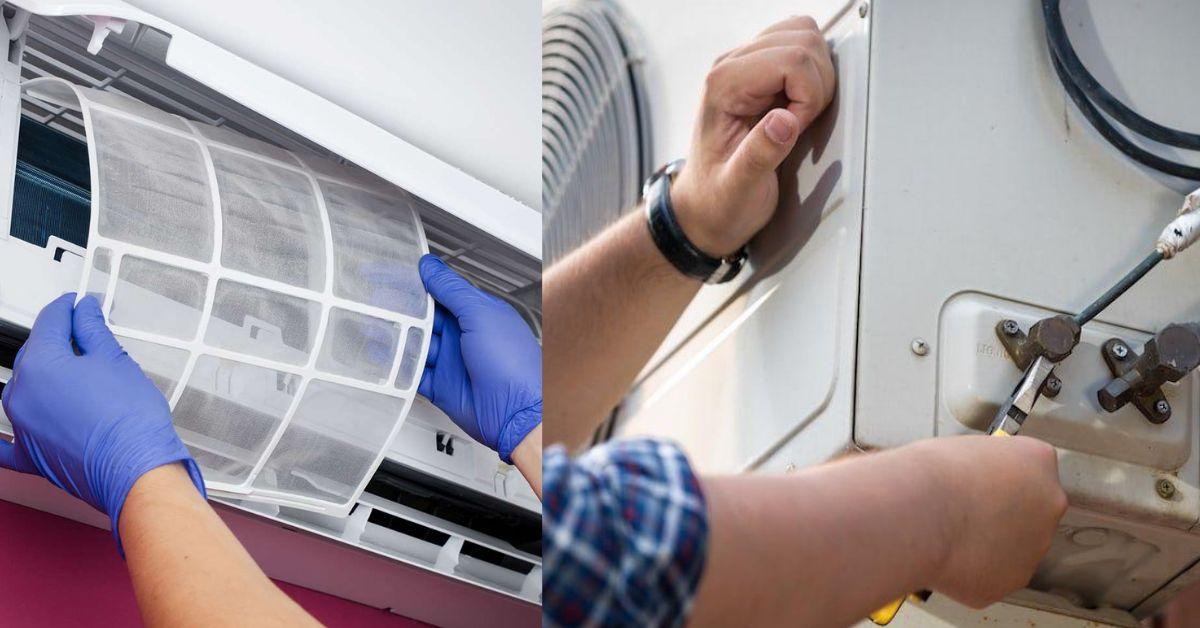
    Myth 5: AC filters only need to be changed once a year.

    This myth is as bad as believing that you only need to schedule maintenance service once a year. But like the latter one, it is far from the truth.


    Changing AC filters is dependent on a lot of factors, such as

    • Width or thickness
    • Frequency of use
    • Air quality at home
    • Other factors such as pets or smoke.

    Reality:

    While some filters require less frequent changing, no AC filter should go a year without any cleaning. This not only harms your appliance but also negatively impacts the air quality.

    Is your AC breaking the bank? Get it checked by our professionals at Heald Mechanical.

    With over five generations of experience, we offer the best service to your HVAC problems, that too, at an affordable price. Whether you are looking for HVAC repair, reinstallation, or replacement service, Heald Mechanical is your one-stop solution.
  • Various Types of HVAC Systems for Commercial Buildings

    Various Types of HVAC Systems for Commercial Buildings

    Commercial buildings are huge, and they require huge HVAC systems to make the large space comfortable for people. Unlike home units that cool just one house, office buildings require powerful equipment that can handle up to hundreds of tons. That is why building owners need to carefully choose the right HVAC system for their building based on the size and the number of visitors every day. To choose the right HVAC system for your commercial property, you will need the help of professional HVAC installation services.

    Segment of Cities We Serve for HVAC and Plumbing Services

    The Working Of Commercial HVAC Systems

    When you own a commercial property, you must accurately ventilate it and have a proper heating and cooling system to maintain a comfortable temperature. However, HVAC systems in commercial buildings are not as simple as those installed in residential buildings for the comfort of a few family members. 

    Commercial HVAC Systems require HVAC systems that can cool down large spaces. If you own a commercial building, you must have at least some knowledge about these complex HVAC technologies for emergencies.  

    The fundamental operation of an HVAC system is straightforward yet crucial to understand. It extracts heat from within a building and expells it outside, a process facilitated by a refrigeration cycle that uses refrigerants to absorb and release heat. 

    The key components of an HVAC system include chillers or compressors that generate cold air or water, pumps, pipes that transport the air or water, and air handlers that distribute the cooled air to the building’s occupants. 

    Top Types of HVAC Systemes for Commercial Properties

    1.Chillers:

    There are two main types of chiller systems: traditional condenser water systems and air-cooled/coiled chiller systems.

        • Traditional Condenser Water System

    In a condenser water system, an electric centrifugal chiller uses refrigerants to absorb and reject heat into the condenser water. This water circulates in a loop to the cooling towers, where fans blow air across it to remove the absorbed heat. These systems require significant infrastructure, including chillers, pumps, pipes, air handlers, cooling towers, and water treatment systems. This extensive setup makes them efficient for cooling large spaces, typically found in bigger office buildings, but they are too complex and powerful for smaller spaces or buildings.

        • Air-Cooled Chiller Systems

    Ever noticed how your car’s radiator works? Well, air-cooled chillers operate in a similar way. They use fans to blow outdoor air over coils filled with refrigerant. This process happens outside the building, helping to get rid of the heat.

    What’s cool about this setup is that it doesn’t need all the extra stuff like condenser water, cooling towers, or water treatment that water-cooled systems do.

    Sure, they may not be as effective in super hot or huge buildings, but for small to mid-sized offices, they’re cost-efficient. Since they don’t rely on water, maintenance is simpler and they use less energy compared to water-cooled systems.

    So, if your building doesn’t need a ton of cooling power, air-cooled chillers could be the smart choice. They’re simple, cost-effective, and keep things cool without all the fuss.

    Comfort on Demand

    Book your HVAC Service Hassle-Free!!!

    2.District Cooling

    Some large commercial buildings buy chilled water from district cooling plants instead of installing their own chillers. This saves on initial costs for chillers, cooling towers, pumps, and pipes. Buildings link to the central district cooling plant via underground pipes. The plant uses electric centrifugal chillers and cooling towers to chill the water. Building owners pay the district utility company based on their chilled water usage.


    3.VRV or VRF

    Variable refrigerant flow (VRF) systems, also known as variable refrigerant volume (VRV) systems, are all-electric HVAC solutions. These systems use refrigerant to move heat from multiple indoor evaporator units to one or more outdoor condensing units, where the heat is expelled. 

    VRF systems are a top choice among commercial property owners because they offer a few advantages like –


        • Flexibility
        • Energy savings
        • Lower maintenance costs compared to traditional central plant equipment


    VRV (variable refrigerant volume) or VRF (variable refrigerant flow) systems, the epitome of HVAC technology, are highly regarded by mechanical engineers. These systems offer a host of benefits, including flexibility, efficiency, and the use of new refrigerants with low global warming potential. 


    These direct expansion systems replace the need for chillers and chilled water pumps by transferring heat via refrigerant lines from indoor units to outdoor compressors. Their variable capacity allows for independent cooling of different zones, improving efficiency.


    VRV/VRF systems have lower operating costs than traditional HVAC systems without the need for water infrastructure. However, due to the technology’s newness, long-term maintenance costs are still uncertain. Their popularity has earned them the industry nickname “chiller killers.”

    24/7 HVAC Support

    Contact Us for Quick Fixes and Maintenance

    4.RTU (Rooftop Units)

    Rooftop units (RTUs) are self-contained HVAC systems designed for single floors or zones. With cooling capacities typically below 120 tons and the use of common refrigerants, RTUs are a reliable choice. They come equipped with their own evaporators, compressors, and condensers to produce and distribute cold air or water. These units, commonly found in low-rise commercial buildings like office towers, retail stores, and warehouses, offer easy installation and zone-by-zone climate control. With proper maintenance, RTUs typically last 15 to 20 years, making them a dependable and secure investment in your HVAC needs.


    5.Direct Expansion

    Direct expansion (DX) split systems are commonly found in homes. These systems link one or more indoor evaporator units to an outdoor condenser unit for each zone. They work by circulating refrigerant, which directly expands from gas to liquid and back, absorbing and releasing heat. DX systems look like large residential air conditioners and are best suited for small commercial buildings, not large complexes. If an outdoor condenser fails, the connected indoor units stop working, but other zones remain unaffected.


    Looking to upgrade your commercial HVAC system? Contact Heald Mechanical today!

    Do you want to ensure your business property’s heating and cooling system always works best? Well, you just got lucky because Heald Mechanical is here to provide the best HVAC installation and repair services in Sacramento, and it is designed just for you. Don’t settle for anything but the best, and contact Heald Mechanical today to schedule your HVAC services!

  • How much does a new HVAC system cost?

    How much does a new HVAC system cost?

    With the summer knocking on the door in Sacramento, everyone is looking to service their existing AC System or else looking for a new HVAC System/ AC installation. If you want to install a new HVAC system or an AC, you will need to know the current rates for AC installation. The cost of a new HVAC system can vary depending on factors such as the size of your home, the type of system you choose, and any additional features you may want.

    If you want your home to stay cozy all year round, getting a new HVAC system is a good idea. On average, it’ll set you back about $10,000. But the price can change a lot, with fancier setups costing up to $15,000 and more affordable ones going for around $5,000. In this guide, we’ll explain the costs of installing an HVAC system and give you some advice to help you choose the right one. (Source)

    Segment of Cities We Serve for HVAC and Plumbing Services

    Note – We are going to mention the average pricing in the market as different ac installation contractors in Sacramento can charge different prices depending on a lot of factors like type of unit, unit size, seer value, house size, the difficulty of the project, and brand of Unit.

    Typical Cost to Install an HVAC System

    Let’s talk about installing an HVAC system and how much it’ll cost for furnaces and air conditioners. This will help you choose what’s best for your home.

    Air Conditioners

    The cost of an air conditioner depends on what type you pick. There are a few options: portable units, window units, ductless mini-splits, and central AC units.
    • Portable AC Units: These have wheels so you can move them around. They only cool one room at a time and don’t need pros to install them. They are usually the cheapest option, even with pro installation. Prices range from $100 to $500, depending on the brand and features.
    • Window AC Units: Installing one costs between $200 and $1,300, depending on size and brand. They work like central ACs by bringing in outside air, cooling it, and blowing it into the room. They are good for cooling in one room or a small area. But they might not be as energy-efficient as central ACs. Also, you need a window to install them, and they might block the view.
    • Ductless Mini-Splits:These are great for cooling multiple rooms or big homes. You can control the temperature in each room separately. These are more energy-efficient than window units and don’t need ductwork. But they cost more to install, ranging from $2,000 to $14,000.
    • Central AC Units: Most homes use these. But they cost more to install than other options. Plus, you need ductwork installed throughout the building, which takes time and money.
    Despite these downsides, central ACs are a good long-term investment because they cool reliably for years. Installing one costs between $3,700 and $7,400. You might need new ductwork, which can add $1,300 to $4,300 to the bill.

    Furnace

    Furnaces are essential for keeping your house cozy in the cold and cool in the heat. But how much does it cost to get one? Let’s break it down:
    • Electric Furnaces: These guys usually cost between $2,000 and $6,300 to install. They’re pretty good for your wallet and the environment because they use electricity to make heat instead of gas. They can stick around for about 30 years, and also they are not too much hassle to look after. But watch out for your monthly energy bill as it might increase compared to other types.
    • Natural Gas Furnaces: For one of these, you are looking at spending between $3,500 and $9,000. They might be a bit more expensive at the start, but they are usually better with energy, which can save you money in the long run. Plus, they pump out a steady, strong heat, which is great if you live somewhere chilly. Just make sure natural gas is easy to get where you are.
    Oil Furnaces: These are not as popular because they cost more to run, plus they are not so great for the environment. But they’re tough and can warm up your place in a jiffy. Like gas furnaces, they need to be set up safely to avoid any problems. Installing one can set you back between $6,000 and $10,000.

    Upgrade to Comfort:

    Get a Quote for AC Installation/Repair:

    Choosing Between Doing it Yourself and Hiring an AC Installation Contractor Sacramento, CA

    When you are thinking about installing HVAC systems, you have got two main options: doing it yourself or getting professional AC installation services in Sacramento. If you know your way around HVAC systems and have some experience, doing it yourself might seem like a money-saver. However, risks are involved, like making mistakes during installation that could mess up your system or even create safety hazards. On the other hand, hiring the best AC installation companies in Sacramento means you are getting experts to handle the job. They will do it right, lowering the chances of future issues and giving you peace of mind. Plus, they have all the tools and knowledge to deal with any surprises that pop up along the way. Read More About:

    Upgrade Your HVAC System with Heald Mechanical in Sacramento, CA

  • AC Condenser Repair vs. Replacement: Which Is Best for Your Home?

    AC Condenser Repair vs. Replacement: Which Is Best for Your Home?

    Summer temperatures soar higher and higher every year. If the AC fails to work in these high summer temperatures, homeowners suffer in the scorching heat. One of the main components of an Air conditioner is the condenser unit, which is responsible for releasing heat from the refrigerant. If the condenser unit malfunctions, there will be numerous problems with the AC.

    As your air conditioner ages, its condenser might start to wear out or get damaged. This can cause your AC to work less efficiently, increasing your energy bills. In some cases, it might even stop working altogether. In this blog post, we will discuss whether you should fix or replace your AC condenser and how much it might cost to do so.

    Segment of Cities We Serve for HVAC and Plumbing Services

    When Should you Repair your AC Condenser?

    If your air conditioner’s condenser is pretty new and still works well, repairing it might be the cheapest choice. AC in repair sacramento for a condenser usually costs less than getting a new one, and a professional HVAC technician can often sort out most problems quickly. But if your condenser is old, busted, or not working efficiently, it might make your AC freeze up, and getting a new one could be the better call.

    Some typical problems that can be fixed are:

    • Leaking refrigerant
    • Broken capacitors
    • Damaged fans or blades
    • Blocked condenser coils
    • Electrical issues

    When Should you Replace your AC Condenser?

    If your AC’s condenser is old, broken, or not working well, it might be a good idea to get a new one. A new condenser can cool your home better, save energy, and make you more comfortable.

    Here are some signs that you might need to replace your condenser with the help of a professional AC replacement

    • Your AC system is over ten years old.
    • Your energy bills are higher than usual.
    • You have had to fix it several times recently.
    • The condenser is making strange noises.
    • Your home isn’t as cozy and cool as it used to be during summer.

    Upgrade to Comfort:

    Get a Quote for AC Installation/Repair:

    Advantages of Replacing your AC Condenser

    We know that replacing your condenser unit is costilier compared to getting the condenser repaired. But we will give you some advantages of getting a new condenser unit that will change your mind when choosing between repairing and replacing.

    Let’s find out some of the advantages of getting your AC condenser unit replaced with the help of air conditioner service in Sacramento

    • A new condenser unit can save you money in the long run by reducing your energy costs.
    • With a new system, your home can stay cooler, making hot weather more bearable.
    • New condensers are less likely to break down, giving you more reliable cooling when you need it most.

    In addition to these benefits, a new condenser unit can boost your home’s value. If you plan to sell, having an efficient AC system can attract potential buyers. So, despite the initial cost, replacing your AC condenser can be a smart investment for both your home’s worth and your family’s comfort.

    Our Other Services
    Furnace Repair Services Water heater installation/ replacement Water Heater Repair Services
    Air Conditioner Installation/ ReplacementServices Air Duct Replacement Heating Repair Services

    Replace or Repair Your AC System with Heald Mechanical in Sacramento, CA

    Enjoy these summers with cozy and cool homes. Choose Heald Mechanical for all your AC Unit repairs and AC Unit replacement in Sacramento. Trust our skilled and licensed team of HVAC Technicians for the best services. With 100+ years of experience, we are your best choice of HVAC professionals in Sacramento. Contact us today to make your home comfortable and energy-efficient.

  • Air Conditioner Not Blowing Cold Air but Running

    Air Conditioner Not Blowing Cold Air but Running

    Summer is just around the corner, and you depend on your air conditioner more than ever to make your home a chilly and comfortable oasis. But what if, one warm day, you notice that your air conditioner is not blowing cold air but still running? There are several possible reasons why your air conditioner may not be functioning correctly, but fear not; there are solutions too.

    In this article, we will explore some common reasons for your air conditioner not blowing cold air and potential solutions to get your AC back to blowing cold air with regular maintenance and heating repair in Sacramento.

    Reasons Why Your Ac Isn’t Providing Cool Air but Running!

    • Dirty Air Filter:

    Filthy air filters are one of the most prevalent reasons for your AC not blowing cold air. Since the air filter is responsible for keeping dust, pollen, pet dander, and other airborne contaminants out of your system, dirty filters can block the airflow, causing the system to work harder to cool the air.

    It can result in the system freezing up or not blowing cold air. Therefore, It’s paramount that you clean or replace the air filter regularly to maintain the efficiency of the AC unit. If the filter is dirty, HVAC professionals can help you replace it with a new one.

    • Low Refrigerant:

    The refrigerant is vital in extracting heat from your home and releasing it outside. If your system has a low refrigerant level, it won’t cool the air effectively. It can be caused by a leak in the system, necessitating repair by a professional. If you suspect a leak, don’t endeavor to repair it yourself, as refrigerant is dangerous and requires specialized equipment to handle it safely.

    • Faulty Thermostat:

    If your air conditioner isn’t blowing cold air, the problem could be with the thermostat. It is responsible for controlling the temperature in your home, and if it isn’t functioning correctly, it may not be telling the air conditioner to cool the air.

    Check to ensure that the thermostat is set to “cool” and that the temperature is set lower than the current temperature in the room. If the thermostat is not working correctly, it may require replacement.

    • Frozen and Dirty Evaporator Coils:

    The evaporator coil is responsible for cooling the warm air from your home. However, if it’s dirty or frozen, it will hinder heat absorption, and the air conditioner will not blow cold air.

    Seeking professional assistance from an expert for air conditioning installation in Sacramento can get the problem resolved promptly.

    • Blocked Condenser Unit:

    The condenser coil is essential for dissipating the collected heat outside your home. If the condenser unit is blocked by leaves, dirt, or other debris, it can reduce the efficiency of your air conditioner, causing it not to blow cold air while running.

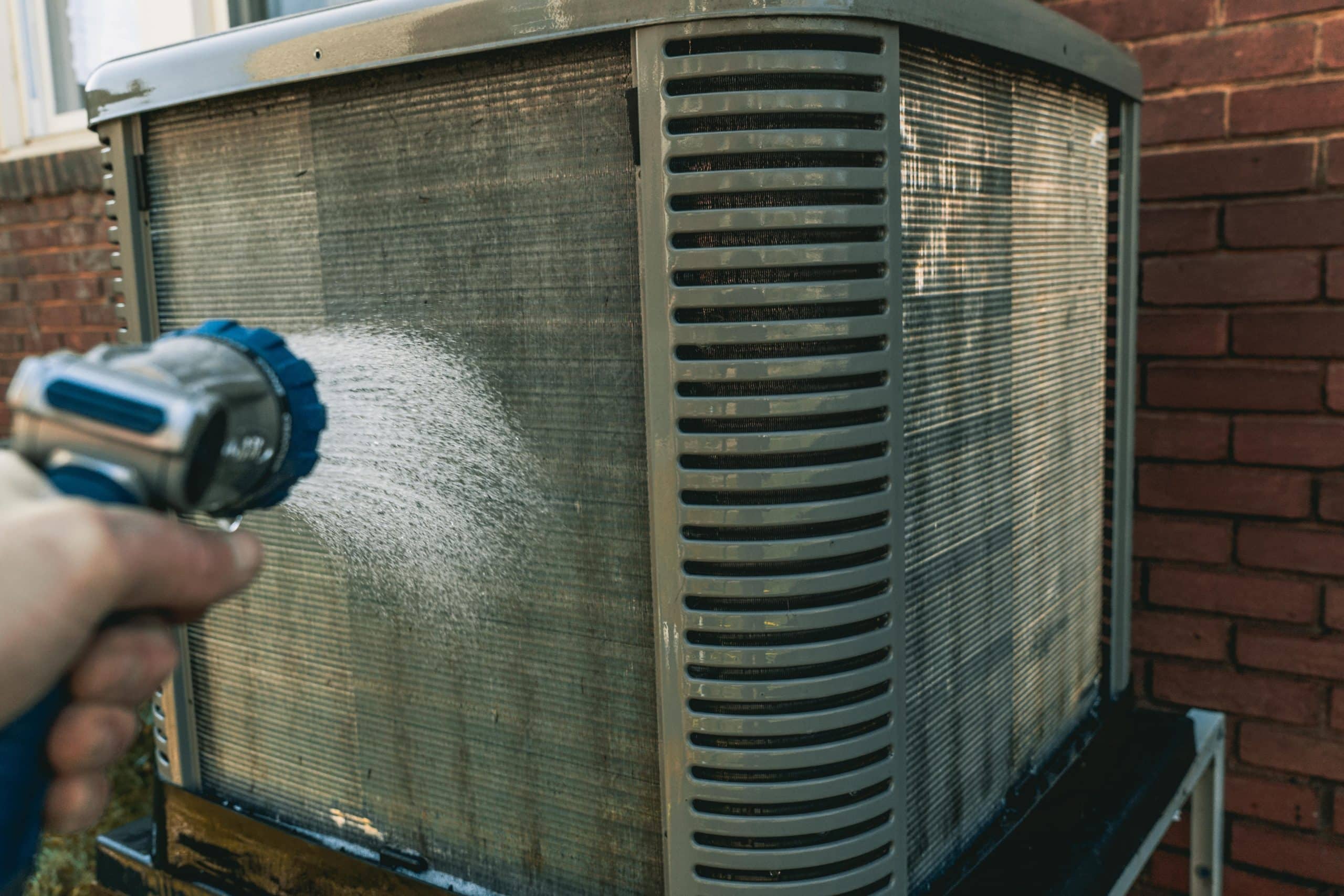
    Cleaning the condenser coil is crucial. To do so, turn off the power to the system and remove any debris from around the unit. Use a soft brush or vacuum cleaner to remove dirt from the fins.

    • Broken Compressor:

    The compressor is the heart of your air conditioning system, compressing the refrigerant to cool the air. The system won’t effectively cool the air if it isn’t functioning correctly.

    A broken compressor will need to be replaced by a professional, which might be expensive. If your system is obsolete, it may be more cost-effective to replace the entire system rather than repair the compressor.

  • Know The Difference Between HVAC And Air Conditioner Unit And Its Objectives

    Know The Difference Between HVAC And Air Conditioner Unit And Its Objectives

    Heating and cooling systems are one of the basic requirements in every home. If you’re planning to buy a new house, or considering installing a new heating or cooling system, you might get easily confused between the HVAC unit and AC unit. The two acronyms-HVAC and AC units are often used interchangeably by many HVAC Sacramento CA contractors and air conditioning experts. Therefore, homeowners need to understand how these two differ from each other.

    In This Article, We Will Break Down the Difference Between Hvac and Ac Units and Discuss Which One is Better.

    HVAC is a term that is used when referring to a system designed for heating, ventilation and air conditioning. They provide heating and cooling to your home, in addition to keeping your rooms well-ventilated by removing moisture, humidity and stale air.

    An HVAC system also performs the job which ensures that you have clean and fresh air inside your home. The ventilation system in HVAC works to eradicate stale or unclean air and bring in the air free of any pollutants. This entire system is responsible for keeping the interior home space comfortable no matter what climate or season it is. An HVAC system is a package including central AC, ductwork, furnace or heat pump, designed to provide heating, cooling and ventilation.

    When it comes to the heating system in HVAC, it can take a variety of different configurations. It can use a gas furnace as a central heating system. It can also include heat pumps and air conditioning units. So, it is used for both heating and cooling purposes.

    Furnace: Working as a primary component of a heating system, this unit is responsible for heating the entire interior space.

    Heat Pump: It uses electricity to heat your home in colder months. It can be used for your cooling needs too. It uses the same electricity to take out heat from cool space to direct it to a warmer place.

    Air Conditioning Unit

    AC is a term used for air conditioning systems. These units are designed to cool your home. Since air conditioner service Sacramento contractors use the term HVAC and  AC interchangeably when offering their heating and cooling repairs and services, the confusion escalates. Unlike a central ac unit, an AC unit is capable of providing cooling to a smaller area or a single room.

    Here Are the Most Common Types of Ac Units Used Widely:

    Window AC unit: Designed to provide cooling to a larger area or a single room, these types of units come in different sizes. It is cost-effective and needed to install on the window frame.

    Ductless Mini-Split systems: These units may be an ideal option for homes that have no ductwork installed in their homes.

    Which One is Better?

    HVAC is a better choice because of the following benefits it offers:

    • Improves air quality
    • Reduced noise
    • Easy to use
    • Energy-efficient

    Whether you choose to have an HVAC system or an Ac unit, just like your water heater repairs Sacramento needs, they may need unexpected repair service from heating and cooling experts.