Water heaters are essential parts of plumbing we rely on for our hot and warm water needs. Unfortunately, nothing lasts forever. The moment will come when your water heater unit will start showing signs of impending failure.
With good maintenance and timely water heating repair in Sacramento or Fair Oaks, the length of its life span can be extended and many expensive repairs can be avoided. But, you also must know when your water heater may need a replacement. Most homeowners are not conscious of the end date of their water heating units. In This Blog, You Will Know How Long A Water Heater Unit lasts and What Are The Other Signs That Call For Water Heater Replacement
Overview: How Long Do Water Heater Units Last?
The lifespan of a water heater unit can depend on various factors, including the type of water heater, the quality of the unit, maintenance practices, and local water conditions. Here are general estimates for the lifespan of different types of water heater units:
Conventional Tank Water Heaters:
- Gas Water Heaters: Typically last 8 to 12 years.
- Electric Water Heaters: Generally last 10 to 15 years.
Tankless (On-Demand) Water Heaters:
- Gas Tankless Water Heaters: Can last 20 years or more with proper maintenance.
- Electric Tankless Water Heaters: Similar to gas tankless heaters, they can last 20 years or more with proper care.
Heat Pump Water Heaters:
- Heat pump water heaters can have a lifespan of about 10 to 15 years.
It’s a good idea to be aware of the age of your water heater and monitor its performance. If you notice any signs of issues or if your unit is approaching the end of its expected lifespan, it’s advisable to consult with a professional plumber or technician to assess the condition of your water heater and determine if repair or replacement is necessary.
How long do tankless water heaters last?
Tankless water heaters typically last 20 years or more with proper maintenance.
How long do electric water heaters last?
Electric water heaters generally last around 10 to 15 years.
How long do gas water heaters last?
Gas water heaters typically last about 8 to 12 years.
These are general guidelines, and actual lifespans can vary. Regular maintenance, such as flushing the tank, checking and replacing sacrificial anode rods, and addressing any issues promptly, can contribute to prolonging the life of a water heater. Water quality, with factors like high mineral content or sediment, can also affect the performance and longevity of the unit.
How To Check How Old Your Water Heater Unit Is?
To determine the age of your water heater unit, you can usually find the manufacturing date on the unit itself. Here are common ways to check the age of a water heater:
- Check the Serial Number:The serial number on your water heater often contains information about its manufacturing date. Manufacturers often use a specific coding system for the serial number.Look for a label or tag on the water heater that includes the serial number.Refer to the manufacturer’s documentation or website to decipher the serial number and find the manufacturing date.
- Look for a Date Code: Some water heaters have a date code stamped directly on the unit. This code might be a combination of letters and numbers that represent the manufacturing date. Check the manufacturer’s guidelines to interpret the code.
- Consult the Manufacturer: If you can’t find the manufacturing date on the water heater or are having trouble deciphering the serial number or date code, contact the manufacturer. Many manufacturers provide customer support or online resources to help you determine the age of your water heater based on the serial number.
- Check the Installation Paperwork: If you have the original installation paperwork or manual for the water heater, it may include information about the manufacturing date.
Remember that the location of the serial number and the format of the date code can vary by manufacturer. If you’re having difficulty finding this information, don’t hesitate to reach out to the manufacturer’s customer support for assistance.
Knowing the age of your water heater can be useful for assessing its remaining lifespan and planning for maintenance or replacement if necessary.
Warning Signs That Indicate A Need For Replacement
Age of the Water Heater: If your water heater is approaching or has exceeded its expected lifespan (typically 8-15 years for tank water heaters and 20+ years for tankless), it may be more prone to issues and replacement might be a wise consideration.
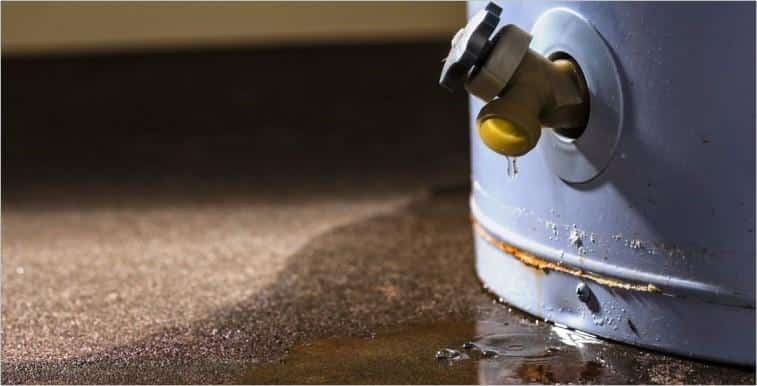
- Rust or Corrosion: Visible rust or corrosion on the tank or around fittings can indicate potential leaks and suggest the tank integrity is compromised.
- Leaks: Puddles or signs of water around the base of the water heater may indicate a leak. Leaks can lead to significant damage, and prompt action is necessary.
- Inadequate Heating: If your water heater is no longer providing sufficient hot water or if the water takes longer to heat up, it may be a sign of internal issues.
- Strange Noises: Popping, rumbling, or banging sounds coming from the water heater can signal sediment buildup, reducing efficiency and potentially causing damage.
- Discolored or Murky Water: Rusty or muddy-looking water when you run hot water indicates potential corrosion inside the tank.
- Frequent Repairs: If you find yourself frequently calling for repairs or the cost of repairs is becoming significant, it may be more cost-effective to replace the water heater.
- Increased Energy Bills: A decrease in efficiency can lead to higher energy bills. If your water heater is no longer operating efficiently, it might be time for a replacement.
- Foul Odors: Foul-smelling water could be a sign of bacteria growth inside the tank, which can be a health concern.
- Visible Wear and Tear: Cracks, dents, or visible wear on the tank could compromise its structural integrity.
If you notice any of these warning signs, it’s advisable to consult with a professional plumber or technician to assess the condition of your water heater and determine whether repair or replacement is the best course of action.
Frequently Asked Question
Can a hot water heater last 20 years?
Yes, some hot water heaters, especially tankless models with proper maintenance, can last 20 years or more. However, the typical lifespan for conventional tank water heaters is around 8-15 years.
Should I replace my 15-year-old water heater, even though it still works?
It’s advisable to consider replacement as water heaters often become less efficient and more prone to issues as they age. If it’s showing signs of wear or if efficiency has decreased, replacement might be a wise choice.
How do you know when a hot water heater needs to be replaced?
Signs include rust or corrosion, leaks, inadequate heating, strange noises, discolored water, frequent repairs, increased energy bills, foul odors, and visible wear.
Can a water heater go bad after 5 years?
While it’s less common, water heaters can experience issues after 5 years. Regular maintenance is crucial for longevity.
Should I repair a 10-year-old water heater?
It depends on the specific issue. If the repair cost is significant and the unit is nearing the end of its lifespan, replacement might be more cost-effective.
Can an old water heater burst?
Yes, an old water heater can burst, especially if there’s significant internal corrosion. Regular maintenance and timely replacement can help prevent this.
How long do glass-lined water heaters last?
Glass-lined water heaters typically last 10-15 years. Maintenance, water quality, and usage patterns can affect the lifespan.
How long do hot water heaters last with hard water?
Water heaters in hard water areas may have a shorter lifespan due to mineral buildup. Regular maintenance, like flushing the tank, can help extend their life. Expect a lifespan toward the lower end of the typical range (e.g., 8-12 years for tank water heaters).
What type of unit should I buy, gas or electric?
Electric water heaters are generally more efficient, require less maintenance, and are easier to install without needing a vent pipe. However, if power outages are frequent in your area, a gas-powered unit might be more reliable than relying on backup batteries. With this information, you can make an informed decision when replacing your old water heater.