Author: Paul Floyd

  • What’s the difference between Humidifier and Dehumidifier?

    What’s the difference between Humidifier and Dehumidifier?

    Maintaining your home’s humidity level is crucial for comfort and health. Too much or too little humidity can lead to various issues, affecting your well-being and your living space’s condition. This blog will delve into the world of humidifiers and dehumidifiers, helping you make informed choices for your indoor environment.

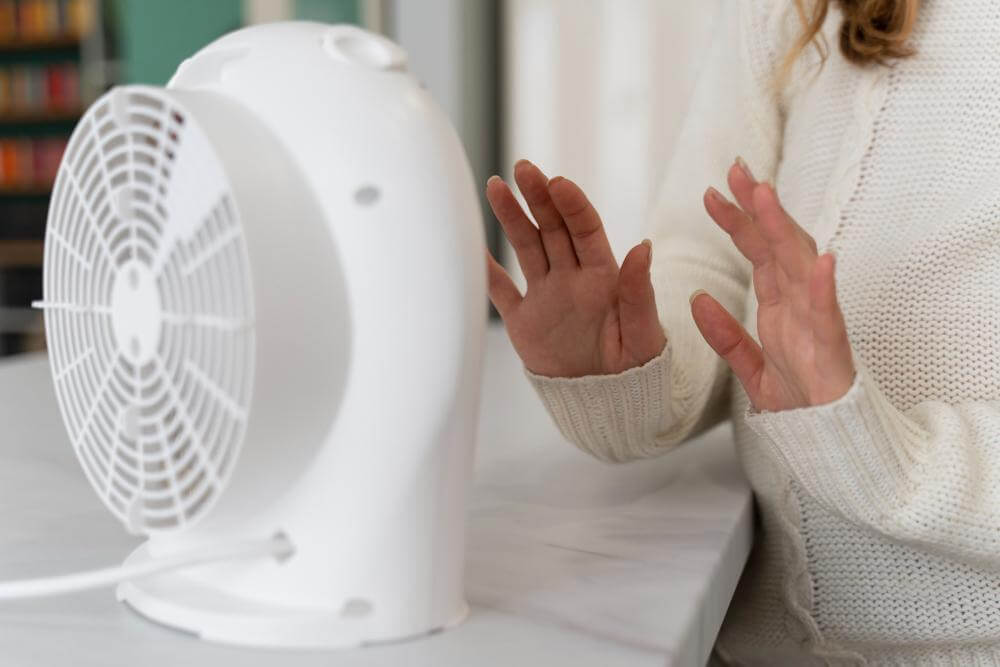
    What is a Humidifier? What does a humidifier do?

    A humidifier is designed to introduce moisture into the air, mitigating the discomfort caused by dry conditions.

    In arid climates, humidifiers are invaluable during winter when indoor heating can strip the air of essential moisture. They alleviate issues such as dry skin, irritated eyes, and respiratory discomfort by releasing water vapor into the environment.

    What is a Dehumidifier? What does a dehumidifier do?

    Conversely, a dehumidifier is a moisture combatant, especially vital during warmer months. It extracts excess moisture from the air, tackling problems associated with high humidity levels. This includes preventing musty odors, mold growth, and the discomfort caused by an overly damp atmosphere.

    We provide the following Services in Sacramento

    [table id=5 /] Call Us Now : 916-972-7276

    What is the difference between Humidifier and Dehumidifier?

    Criteria Humidifier Dehumidifier
    Function Adds moisture to the air, increasing humidity levels Removes moisture from the air, reducing humidity
    Mechanism Utilizes various technologies such as evaporative systems, ultrasonics, or steam vaporization Operates through refrigeration or desiccant methods
    Climate Suitability It is ideal for dry climates or during winter months It is essential in humid climates or during damp seasons
    Seasonal Use It is more commonly used in winter or dry indoor environments Frequently employed during summer or in areas with high humidity
    Benefits Prevent dry skin and irritation
    Alleviates respiratory issues
    Preserves wood furniture
    Prevents mold and mildew growth
    Reduces musty odor
    Provides relief from heat and discomfort
    Potential Issues Requires regular cleaning to prevent mold growth in the humidifier
    Over-humidification may lead to mold or dust mite issues
    Inefficiency if the unit is undersized for the space
    It needs proper maintenance to avoid mold or bacterial growth
    Energy Consumption Generally lower energy consumption compared to dehumidifiers It may consume more energy, especially in larger spaces or with refrigerative models

    What are the benefits of a humidifier and a dehumidifier, and how does it affect your health?

    How you feel in your home matters most because choosing the suitable device based on your home’s specific needs allows you to create a comfortable and healthy indoor environment and quickly decide whether you want a Humidifier or a Dehumidifier.

    A humidifier is essential if you experience dry, itchy eyes, skin, and lips. Additionally, it helps prevent issues such as sore throat, nosebleeds, bronchitis, sinus inflammation (sinusitis), colds, and influenza. Dry air can lead to further problems like cracks in wood beams, plaster, and leather furniture, making using a humidifier beneficial.

    A dehumidifier becomes necessary if you notice damp stains on ceilings, walls, or rooms feeling stuffy. Excessive moisture in your home can foster mold growth, leading to potential health issues. A dehumidifier prevents this and is beneficial if you experience:

    1. Chronic or seasonal allergies
    2. Worsened allergy symptoms in a new location
    3. A damp odor or excessively moist areas in your home
    4. Leaks in your home after rainfall
    5. Visible water vapor or a heavy, wet feeling in the air at home
    6. Allergies to dust mites
    7. The presence of too many pests like spiders or silverfish
    8. Prolonged drying time for line-dried clothes
    9. Frequent coughing or runny noses.

    Common respiratory conditions that a Humidifier and a Dehumidifier can fix are:

    1. Babies and Kids: Maintain a comfortable humidity level for little ones, especially those with allergies or asthma, using humidifiers and dehumidifiers.
    2. Allergies: Humidifiers add moisture to ease breathing by reducing sinus inflammation, while dehumidifiers dry up excess moisture, curbing allergen growth.
    3. Bronchitis: Humidifiers reduce symptoms (SOURCE), and dehumidifiers combat mold and bacteria (SOURCE) triggers linked to bronchitis.
    4. Asthma: Humidifiers moisten dry air to prevent airway dryness and infections, while dehumidifiers make breathing easier and prevent airborne pollutants.

    Segment of Cities We Serve for HVAC and Plumbing Services

    Call Us Now : 916-972-7276

    What are the types of humidifiers and dehumidifiers and their cost?

    Humidifiers come in two main types:

    1. Warm Mist: It is operated by boiling water to release steam into the air
    2. Cool Mist: It is operated by using a fan or rotating disc to evaporate water and disperse it into the air.

    Dehumidifiers are categorized into four main types:

    1. Refrigerative: Mechanical dehumidifiers use a fan to pull moisture over a refrigerated coil.
    2. Electronic: Utilizes an electronic heat exchange to remove moisture from the air.
    3. Desiccant: Absorbs moisture using a desiccant material, making them effective in colder environments.
    4. Ionic: Operates by using ions to attract and remove moisture from the air.

    Regarding cost, humidifiers range from $30 to $200, depending on the type and features. Cool mist humidifiers are generally less expensive than warm mist humidifiers.

    The cost of dehumidifiers ranges from $150 to $500, depending on their capacity and functionalities. The cost of a dehumidifier increases with the size of the space it can cover, additional features such as humidistat and auto shut off, and the type of dehumidifier.

    Conclusion

    Maintaining home humidity is vital for well-being. Humidifiers combat dryness, offering relief from skin issues and respiratory discomfort. Dehumidifiers tackle excess moisture, preventing musty odors and mold growth. Understanding these differences empowers you to create a healthier, more comfortable indoor space.

    Explore our HVAC and plumbing services in Sacramento for added home efficiency. Call us now to take the next step in home well-being.

    Frequently Asked Question

    No, vaporizers and humidifiers are not the same. While both add moisture to the air, a vaporizer typically releases steam by boiling water, while a humidifier disperses cool or warm mist without boiling water.
    An air purifier is generally more effective for allergies. It can remove allergens such as dust, pollen, and pet dander from the air. However, humidifiers add moisture to the air and may not address the allergen removal.

    Humidifiers can relieve specific allergy symptoms, particularly those related to dry air, such as irritated nasal passages and dry skin. However, they may not address the root cause of allergens in the air.

    Place the humidifier in a central location within the bedroom, away from walls and furniture. This helps ensure an even distribution of moisture throughout the room. Avoid placing it too close to your bed to prevent excessive moisture around your sleeping area.

    Yes, a humidifier can help relieve congestion by adding moisture to the air, which can soothe irritated nasal passages and reduce the thickness of mucus.

    The size of the dehumidifier depends on the square footage of the area you want to dehumidify. Larger rooms require more powerful dehumidifiers. Refer to the product specifications or consult with the manufacturer to determine the appropriate size for your space.

    Dehumidifiers may have a slight cooling effect as they remove moisture from the air, but they are not designed for cooling purposes. If you need both dehumidification and cooling, consider using an air conditioner.

    Dehumidifiers can help prevent mold growth by reducing the humidity levels in a space. However, they do not directly kill existing mold. To address existing mold, you may need to clean and remove it and use a dehumidifier to control moisture.

    The water collected by a dehumidifier is typically close to distilled but may not be completely pure. A separate water distillation process is still advisable if you need highly purified water for specific applications.

    The ideal humidity level for a home is generally between 30% and 50%. Set your dehumidifier to maintain humidity within this range. Adjust the settings based on your comfort and the specific needs of your environment.

  • What Are The Signs That Your Water Heater Is Malfunctioning?

    What Are The Signs That Your Water Heater Is Malfunctioning?

    Water Heater Repair – Signs, Solutions, and Savings

    Having a well-functioning water heater becomes indispensable when it comes to keeping your home cozy and comfortable during Sacramento’s frigid winters. However, like all appliances, water heaters may experience issues over time, causing annoyance and discomfort. Homeowners often take the steady flow of hot water for granted until something goes amiss! Thus, investing in a timely water heater repair in Sacramento is worthwhile to avoid disrupting your daily routine and maintaining a comfy environment throughout the season.

    Fortunately, water heaters seldom fail without warning. Hence, it is critical to heed the warning indications that a water heater malfunction is looming. In this blog, we have explored the telltale signs that your water heater needs attention, the preventative measures to prevent abrupt water heater failure, valuable tips to hire the best heater repair company and other aspects.

    Importance of Water Heater Repair

    Prioritizing water heater repair is imperative for your comfort and your home’s structural integrity. A faulty water heater inflicts a handful of issues, ranging from inadequate hot water to potential safety risks. Here below, we have enlisted a few reasons why water heater repair is critical for Sacramento homeowners:

    Ensuring Comfort

    Ensuring Comfort

    A broken water heater may lead to lukewarm or chilly showers, causing discomfort to your family while making your daily routine less pleasant, especially during cold Sacramento Winters.

    Energy Efficiency

    Energy Efficiency

    An inefficient water heater might trigger increased energy bills since it works harder to generate hot water, squandering energy and money.

    Preventing Safety Hazards

    Preventing Safety Hazards

    Broken heaters can be detrimental, prompting leaks, gas-related problems, or even fires. However, you can avert these dangers with prompt repair.

    Extending Lifespan

    Extending Lifespan

    Periodic upkeep and swift fixes will help your water heater last longer, saving you money on untimely replacements.

    Typical Water Heater Problems

    Before exploring the warning indicators of a faulty water heater, let’s take a sneak peek at the prevalent problems you may encounter:

    ● Sediment Buildup
    Sediment can accumulate in the tank over time, inhibiting performance and causing damage.

    ● Pilot Light Issues
    Pilot light issues in gas water heaters might lead to inconsistent hot water supply.

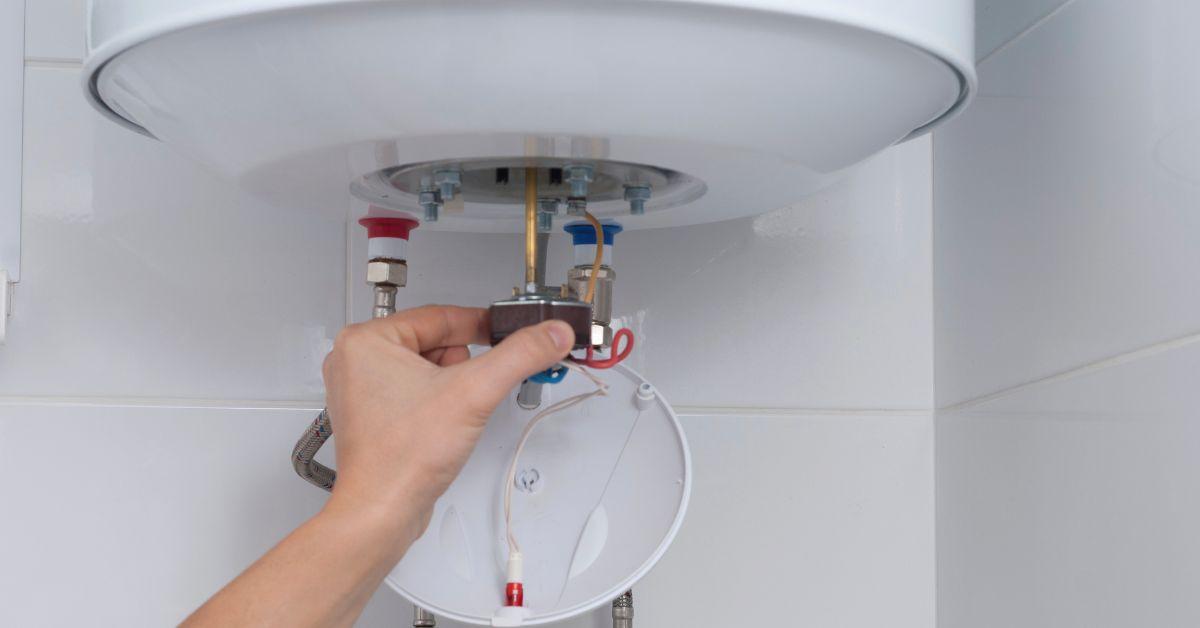
    ● Thermostat Malfunctions
    Broken thermostats might be to blame for unsteady water temperatures.

    ● Leaking Water Heater
    Leaks may arise for varied causes involving corrosion and pressure relief valve issues.

    ● Gas Valve Issues
    Gas valve predicaments might sabotage the heating process.

    ● Faulty Burner or Heating Element
    A faulty burner or heating element might result in insufficient hot water production.

    Recognizing these common concerns can assist you in identifying possible issues early on.

    Warning Signs that Your Water Heater is Going Bad

    Detecting the following warning signals implying your water heater is in jeopardy might help you handle problems before they escalate:

    Insufficient Hot Water

    The dearth of hot water is an overt sign that your water heater is on its last legs. If you experience chilly showers or run out of hot water faster than usual, your water heater may need repairs.

    For traditional water heaters, the culprit could be sediment accumulation in the water tank, reducing the space available for hot water. Periodic cleaning of your hot water tank may prevent this problem from occurring. However, if the silt has caused clogged or damaged pipes, you’re in for a more expensive repair.

    A tankless water heater, on the contrary, shouldn’t run out of hot water since it warms water as needed. So, if you have a tankless system providing insufficient hot water, it’s likely due to a mechanical or electrical issue.

    Leaking Water Heater

    Apparent leaks or water pooling surrounding your water heater are red flags that should never be overlooked. Corrosion, a defective pressure relief valve (TPR), and other internal faults are responsible for leaks.

    Valves and connections might become loose, leading to water leaking from or collecting around the tank. Fortunately, they are relatively straightforward and affordable fixes. However, tank replacement is your only alternative if extensive corrosion triggers water heater leakage.

    Inconsistent Water Temperature

    A tank or tankless water heater is intended to provide a consistent stream of hot water for at least as long as the tank’s supply lasts when working optimally. If your water heater can’t maintain an appropriate temperature, it’s time to replace it. Thermostat malfunctions or other internal flaws can cause this issue. Have your water heater inspected by a professional to address the underlying problem and offer a reliable solution.

    Strange Noises

    Hearing percussive noises like clanging, banging, and other peculiar sounds emanating from your water heater may signify gas leaks or the presence of mold and bacteria in the tank. However, while these types of sounds may provide some insight into the problem, it’s best to have a professional analyze them to ensure safety.

    Poor Water Pressure

    A sudden drop in water pressure, especially when using hot water, may indicate an alarming water heater problem inflicted by a blockage (sediment buildup) or issues with the heating element.

    Sediment accumulation may disrupt your water heater’s functioning in varied ways, including restricting the quantity of hot water and reducing water pressure throughout your home. But this problem is preventable by flushing your lines regularly. Since hard water with a high mineral content accelerates mineral accumulation more than soft water, homeowners residing in regions with hard water, like Sacramento, must prioritize draining the water heater tank periodically to avoid expensive repairs down the line.

    Water Discoloration

    If you get discolored hot water, it might be due to rust or sediment accumulation within the water heater, influencing water quality and detrimental to your plumbing fittings. However, if you notice this on one faucet, it might be an issue with specific pipes instead of the water heater.

    What is the Lifespan of a Water Heater

    Factors like water heater type, usage, maintenance, and quality influence the water heater’s longevity. While, on average, the water heaters can last eight to twelve years, they can provide 15 years of service with periodic maintenance.

    Ramifications of a Faulty Water Heater

    The water heater is the house’s most vital yet overlooked component. Since it offers steady, warm water for everyday chores, like cooking, showering, and cleaning, there are a few concerns to weigh when they cease operation:

    Water Damage

    Water Damage

    Water damage is the most prevalent concern linked with faulty water heaters. When the unit leaks or bursts, it triggers extensive water damage to the vicinity, encompassing the floors, walls, and personal possessions. They can eventually become the breeding ground for mold development if not handled immediately.

    Electrical Dangers

    Electrical Dangers

    Since electric water heater contains electrical components, they can pose shocks or electrocution if defective or incorrectly installed. Thus, ensure adequate electrical connections and employ professionals for quality water heater installation in Sacramento.

    Overheating

    Overheating

    Thermostat or temperature failure enables the water heater to elevate the water temperature to dangerous levels, endangering safety and comfort. It can result in scorching injuries, notably when indulged in hot-water-related activities like bathing, washing, and more.

    Clogged Valves

    Clogged Valves

    A broken water heater could indicate the likelihood of clogged valves. Water heaters are outfitted with multiple valves to regulate water flow and ensure optimal performance. These valves might rise to varied issues if they get clogged or occluded.

    Choosing the Right Water Heater Repair Company in Sacramento

    If you detect any of these red flags, get your water heater repaired promptly from a reliable company. Selecting an ideal repair provider is pertinent to ensure a quick and efficient response. Contemplate the following pointers to make an informed decision:

    Local Recommendations

    Seek referrals from neighbors, friends, family members, or acquaintances who have had their water heaters repaired. When choosing a repair company, local insight and distance can be invaluable.

    Online Reviews

    Examine online websites such as Yelp, Google, and more to review the water heater company’s reviews and ratings. These sites may offer you a plethora of information on past customer’s experiences.

    Experience and Expertise

    Consider shortlisting a repair company with a proven track record of fixing all water heaters. A quality repair necessitates vast experience and expertise to deal with distinct water heater makes and models.

    DIY Water Heater Repair Vs. Hiring a Professional

    While it’s tempting to handle minor water heater repairs, it’s imperative to weigh the perks and drawbacks of DIY and professional maintenance:

    Safety Concerns

    Safety Concerns

    Tinkering with water heater issues may be perilous due to gas leaks, electrical problems, and scorching hot water. Experts are well-equipped to tackle these risks safely.

    Proper Tools and Equipment

    Proper Tools and Equipment

    Water heater repairs necessitate utilizing specialized tools and equipment that most homeowners lack. Professionals arrive fully prepared to accomplish the tasks, ensuring complete satisfaction, quality repairs, and peace of mind.

    Accurate Diagnosis and Repair

    Accurate Diagnosis and Repair

    Experienced specialists can accurately determine the underlying source of the problem and offer appropriate remedies. DIY attempts may result in a misdiagnosis and more complications.

    Time and Cost Factors

    Time and Cost Factors

    Although DIY repairs appear less expensive upfront, they can lead to higher costs if mistakes occur. On the contrary, experts can generally finish the tasks promptly and efficiently.

    Preventative Maintenance Tips for Your Water Heater

    Consider using the following preemptive maintenance tips to avert water heater repair:

    Regularly flush the tank

    Since sediment can accumulate over time in the tank’s bottom, reducing efficiency, it’s vital to flush the tank periodically to enhance the water heater’s performance and longevity.

    Check the Pressure Relief Valve

    The relief Valve is the water heater’s vital element. Thus, consider testing it once a year. You can do this by lifting the lever and letting some water out, confirming that it’s working appropriately. If water continues to flow after releasing the lever, it needs replacement.

    Inspect For Leaks

    Regularly inspect your water heater for leaks, drips, and pooling water around it. If you detect leaks, repair them immediately to prevent further problems.

    Test the T&P Valve

    Another critical safety component is the T&P valve. Lift the valve’s lever and check for smooth operation. If it does not discharge water or appears stuck, it’s a sign of replacement.

    Maintain Proper Ventilation

    Ensure the area surrounding your water heater is adequately ventilated. Proper airflow aids in preventing combustion gas accumulation, assuring safe operation.

    Test the Temperature Settings

    Check that your water heater’s temperature is adjusted to 120°F (49°C) (deemed safe and efficient), preventing scalding and saving electricity.

    Schedule Professional Inspections

    Have your water heater inspected by professionals annually, as they can help detect possible problems, conduct necessary maintenance, and ascertain that the system is functioning optimally.

    Conclusion

    In Sacramento’s chilly winters, a reliable and well-functioning water heater can be your saving grace, offering you the luxury of steady, warm water. However, consistent usage can trigger a few issues in the water heater, disrupting its efficient working. Acknowledging the tell-tale signs and responding quickly by calling the professionals can help you retain the warmth and comfort of your home.

    Taking preventative measures can significantly contribute to increasing your water heater’s life while lowering the expenses. Investing in regular inspections, tank cleaning, ensuring proper ventilation, and so forth can keep your water heater working in pristine condition for years ahead.

  • What Do HVAC Technicians Do?

    What Do HVAC Technicians Do?

    Your HVAC systems play an indispensable role in maintaining a comfy indoor environment! Whether homes, grocery stores, malls, offices, manufacturing facilities, airports, or hotels, every commercial and residential property needs a reliable HVAC system, ensuring excellent air quality and effective heating and cooling while creating a pleasant and conducive atmosphere for everyone.

    However, to enjoy flawless working of the HVAC system, it necessitates periodic maintenance by a professional HVAC technician! Their role in providing a comfortable living environment can’t be overstated. These specialists are the HVAC industry’s backbone, guaranteeing that your heating, cooling, and ventilation system operates effectively year-round. Many of you aren’t acquainted with the comprehensive workings of HVAC technicians and what services they offer! So, in this blog, we’ve provided an inside scoop on their significance to the community and how they contribute to the well-being of Sacramento residents.

    Whether you need a water heater or air conditioning installation in Sacramento, these professionals can accomplish the task perfectly the first time, ensuring lasting results.

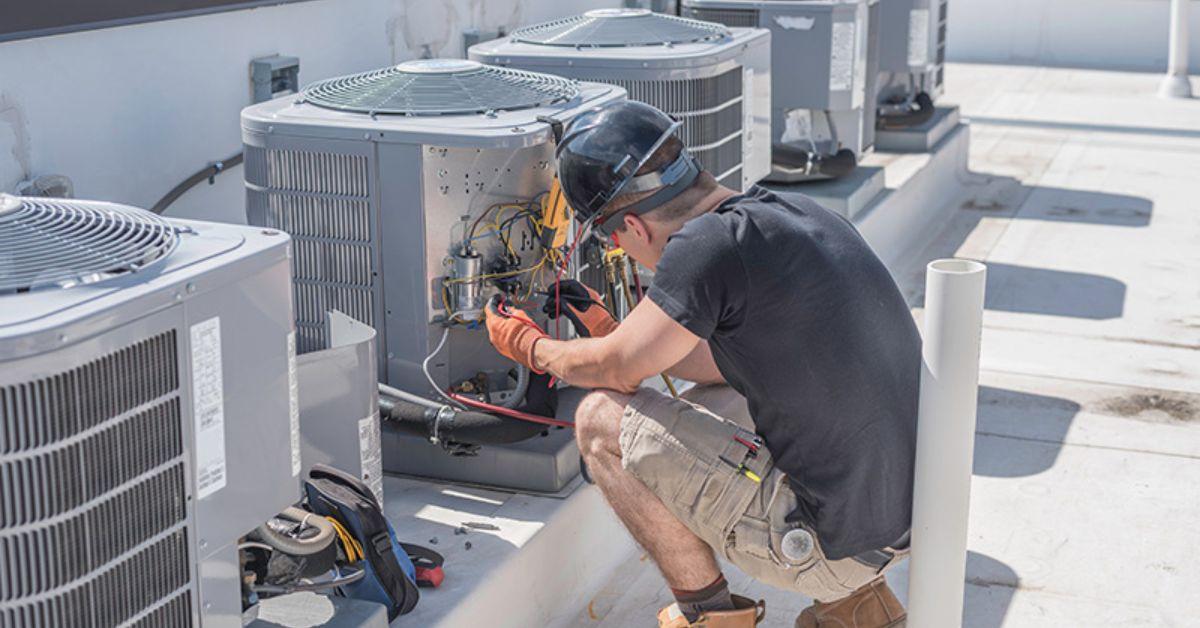
    An HVAC technician is a skilled person well-versed in installing, maintaining, and repairing Heating, Ventilation, and Air Conditioning (HVAC) systems, responsible for maintaining indoor air quality and temperature, directly contributing to people’s comfort and overall health. These systems comprise a complex maze of components necessitating appropriate installation and periodic maintenance to function efficiently. They may trigger potential discomfort and even health problems if improperly installed. Thus, engaging an experienced HVAC Company in Sacramento is imperative for your system’s pristine condition and efficient operation.


    HVAC Services Offered by HVAC Companies

    People count on HVAC technicians to maintain the comfort of their homes and businesses. Here’s a sneak peek at the vital services they offer:

    Water Heater Repair

    Heating Repair

    When winter approaches, your heating system becomes your saving grace, respite you from the chilly weather. However, like all mechanical systems, heating systems may experience issues that lead them to fail. That’s when heating repair Sacramento professionals come in handy! Since they are well-versed in diagnosing and fixing problems varied in your heating system, with their assistance, you can ensure your home remains comfortably warm during the frigid winters.

    Heating Repair

    Water Heater Repair

    Nothing surpasses a warm shower in the chilly winters! But what if you find your water heater is on the fritz? An HVAC technician specializing in water heater repair in Sacramento has got you covered! Whether a pesky faulty thermostat, sediment accumulation, or an annoying broken heating element, they can quickly troubleshoot and resolve your water heater issues.

    hvac services

    Air Conditioner Service

    Increased summer temperatures simultaneously elevate the demand for air conditioner service in Sacramento. However, regular maintenance can save you from abrupt breakdowns and expensive repairs while boosting your AC’s longevity and efficiency. Employ an experienced HVAC technician to meticulously clean every nook and cranny, inspect for leaks, refill refrigerant, and address any necessary repairs, ensuring you stay cool during Sacramento’s scorching summers.
    installationHVAC fair oaks ca

    Air Conditioning Installation

    Count on HVAC technicians to update your existing AC unit or install a new one. Specialists are familiar with the ins and outs of AC installation to ensure optimal performance. They contemplate factors such as room size, the number of windows, and insulation levels while guaranteeing your AC unit is appropriate for your space.
    fair oaks plumbing

    Water Heater Installation

    If you experience your water heater is beyond repairs and needs a complete overhaul, HVAC technicians can be your saving grace, providing you with quality water heater installation in Sacramento. They are proficient in handling the complexities of the installation process, guaranteeing both efficient and safe operation of your water heater.

    The Significance of Regular Maintenance

    Here are the reasons why regular HVAC maintenance should be a priority for homeowners and businesses alike:

    Efficient System Operation

    Periodic HVAC maintenance is vital for the system’s optimal efficiency. Since dust, dirt, and debris accumulate in the system’s components with time, it can impair system performance, inflicting reduced efficiency and higher energy usage. HVAC technicians may clean and optimize these components, retaining your system’s efficient functioning. By scheduling regular maintenance, you can keep its flawless operation intact.

    Prolonged Equipment Lifespan

    Routine maintenance provided by HVAC technicians can prolong the lifespan of your system. They can identify and address minor issues before they escalate, preventing premature failure, inconvenience, and expense of replacing the HVAC system early.

    Improved Indoor Air Quality

    Poor indoor air quality due to neglected HVAC maintenance can trigger respiratory problems, allergies, and other health issues. Regular air filters, ductwork cleaning, and replacement can ensure healthy air circulation in residential and commercial spaces.

    Energy Efficiency and Cost Savings

    An efficiently running HVAC system keeps you comfortable and saves you money. It consumes less energy, leading to lower energy bills. The cost savings over time can offset the maintenance expenses, making it a prudent financial decision for homeowners and businesses.

    The Expertise of HVAC Technicians

    technical skills

    Technical Skills

    HVAC technicians have extensive training and technical understanding of various heating and cooling systems, allowing them to solve multiple problems.
    problem solving

    Problem-Solving

    They excel in diagnosing convoluted HVAC issues and recommending cost-effective solutions to restore comfort to your home or office.
    safety

    Safety Measures

    HVAC professional pre-eminence safety, complying with industry standards and guidelines to safeguard themselves and their clients.

    What’s It Like Being an HVAC Technician? A Glimpse into Their Daily Routine

    An HVAC technician’s day is quite unpredictable. Each day brings numerous distinctive challenges, from diagnosing complex issues to ensuring systems run efficiently. Here’s a blurb of typical responsibilities most HVAC technicians undertake:

    ● Inspecting and testing HVAC systems to ensure optimal operation

    ● Installing new HVAC systems or undertaking repairs on existing ones

    ● Carrying out routine maintenance such as cleaning and replacing air filters

    ● Troubleshooting HVAC issues and promptly resolving them

    ● Offering customers valuable information on proper usage and maintenance of their HVAC system

    It’s a dynamic profession that keeps them on their toes, making HVAC technicians essential for maintaining our comfort year-round. Some projects may be completed in just a few hours, whereas more complex problems can span up to two days. Each day is in itself a mystery for them!

    How to Become an HVAC Technician?

    Becoming an HVAC (Heating, Ventilation, and Air Conditioning) technician can be a rewarding career choice. Consider the following step-by-step guide if you want to become one:

    highschool ged

    STEP 1: Obtain a High School Diploma or GED

    Firstly, you must complete your high school education or acquire a General Education Development (GED) certificate. Physics, mathematics, and practical education courses can provide your HVAC training with a solid base.
    Trade School or Community College

    STEP 2: Attend a Trade School or Community College

    After completing high school, attend a trade school or community college that provides HVAC degrees. Typically, these programs last six months to two years, covering topics including HVAC controls, refrigeration systems, heating technologies, and air conditioning.
    what is a hvac

    STEP 3: Complete an Apprenticeship

    An apprenticeship gives essential on-the-job training and practical exposure. It spans from three months to five years. During this period, you will work under the supervision of a qualified HVAC technician and study hands-on skills like installing, maintaining, and repairing HVAC systems.
    hvac certification

    STEP 4: Obtain HVAC Certification

    In several states, earning certification or license is mandatory, entailing passing an exam that assesses your understanding of HVAC systems and regulations. Furthermore, obtaining optional certifications from renowned organizations can help boost your credibility and ultimately lead to higher compensation.
    work experience

    STEP 5: Gain Work Experience

    Once you’ve obtained the certification, you can work as an HVAC technician. Most technicians initially work as entry-level technicians, conducting essential maintenance and minor repairs. As your experience increases, you can take on more challenging tasks and responsibilities.


    The Pros and Cons of an HVAC Career

    Like any other job, working as an HVAC professional has its perks and drawbacks:

    PROS

    Job Security: People constantly require heating, cooling, and ventilation systems to be installed, maintained, or repaired; hence, the HVAC business is reasonably steady.

    High Demand: Due to increased demand for temperature control systems and emphasis on energy efficiency and pollution reduction, HVAC technicians are expected to grow at a faster-than-average rate over the next decade.

    Variety of Work: HVAC specialists have an array of tasks to explore and aren’t restricted to a single activity or location. They may be employed in residences, schools, hospitals, business buildings, or factories.

    Opportunities for Advancement: Leveraging their experience, HVAC technicians can advance to supervisory positions or establish their own business.

    Physical Fitness: Since this job requires physical exertion, it will keep you healthy and active.

    CONS

    Physically Demanding: Although this point is advantageous, excessive physical demand can be seen as a drawback of the job. Heavy lifting, prolonged work hours, and unpleasant positions or conditions might make you reconsider this career.

    Safety Risks: HVAC professionals are susceptible to electrical shocks, burns, muscular strains, and exposure to refrigerant gases.

    Irregular Hours: HVAC specialists often face erratic work schedules. They may be required to work nights, weekends, or holidays, particularly during prime heating and cooling seasons.

    Continual Learning Requirement: With new technology and regulations, the HVAC industry is continually developing. Technicians must constantly refresh their abilities, which may necessitate more time and money.

    Seasonal Slowdowns: While the HVAC business can provide consistent employment, it also entails seasonal slowdowns, especially in milder areas where heating and cooling systems aren’t as actively used.

    Is Pursuing a Career in HVAC Worth Your Time and Effort?

    Considering HVAC (Heating, Ventilation, and Air Conditioning) as your career is unquestionably worthwhile. It’s a field with numerous advantages, from job stability and competitive salaries to the satisfaction of providing essential services. HVAC professionals are in constant demand, as climate control is indispensable in homes, businesses, and industries. With specialized training and experience, you may extend your profession with excellent earning potential and promotion chances. Moreover, contributing to people’s comfort and well-being makes HVAC a fulfilling and rewarding career choice for those willing to invest their time and effort in mastering this vital trade.

    Final Thoughts

    HVAC technicians are the unsung heroes accountable for keeping our homes, businesses, and communities safe and pleasant. From heating repair to air conditioning installation, their knowledge is invaluable in preserving our standard of living. By comprehending their responsibilities and the services they offer, we can effectively embrace the significance of HVAC professionals in our daily lives. So, the next time your HVAC system requires maintenance, recognize the committed specialists who work relentlessly to assure your comfort and well-being.

  • 5 Essential Tips for a Successful Air Conditioning Installation

    5 Essential Tips for a Successful Air Conditioning Installation

    Summers are right around the corner, and you will need a correctly installed air-conditioning system in times like this. This will ensure a relaxed and comfortable indoor environment in the blazing heat. A successful air conditioning installation guarantees immediate relief from the heat and ensures your cooling system’s long-term efficiency and reliability.

    Segment of Cities We Serve for HVAC and Plumbing Services

    Now that you know the importance of a perfect AC installation, do you want to know how? Hiring a reliable HVAC installation company is the key. But if you don’t hire professionals, you might have many problems later on, like fixing it often or even major city code violations. Here are 5 essential tips to help you achieve a successful air conditioning installation. These tips and hiring a professional HVAC installation company will ensure your AC installation is smooth.

    Pick a Licensed and Insured Contractor

    Hiring a licensed contractor gives you peace of mind, knowing they have the necessary skills and qualifications to complete the job safely and effectively. Once you are sure and satisfied with the licensing, ask for the contractor’s insurance. This also gives you the upper hand if anything goes wrong during installation. Further, ensure the insurance includes liability coverage. This will protect you from financial responsibility in case of accidental damage or injuries on your property.

    On the Installation Day

    The installation day is the most important as this is when you set up the groundwork for the future. On this day, you will have to ensure that all the parts of the Air conditioning system are installed correctly to avoid future headaches. Particularly, pay attention to small details like proper sealing of ducts and secure mounting of the unit.

    If your duct system is not sealed correctly, your Air Conditioning system is set up for failure. To avoid problems like this, hiring an HVAC installation company you trust is very important. Also, ask your HVAC technician any questions about the installation process or how to operate your new system efficiently.

    Upgrade to Comfort:

    Get a Quote for AC Installation

    Get the Right Permits

    The most important question when we talk about energy-efficient HVAC Systems is –
    Getting the proper permits might look like an unnecessary hassle. But this is an important step to ensure you are meeting all local building codes and regulations. Having the right permit will protect you from potential legal issues. It will also ensure that the job is done while maintaining a high standard of safety and quality. Plus, having permits in place can be beneficial when it comes time to sell your home, as it demonstrates that the work was done properly and up to code.

    A lot of contractors would like to avoid getting these permits, and you need to avoid these types of contractors. An HVAC installation professional who insists on using permits during the duration of the service is a Green Flag.

    Look for Warranties That Protect

    Warranties on your Air Conditioning system act as protection for not only you but also the contractor. There are a lot of warranties that do not offer homeowner coverage; avoid those. Most of the HVAC warranties might reach their expiration dates before you even start to use them.

    In case warranties, it is not just the length of the coverage that you need to look for. You also need to look for the extent of the protection.

    Here is a suggestion: look for warranties that cover not only the part of your Air conditioning system but also the Labour. This type of warranty will save you big bucks on repairs in case of a breakdown.

    Breathe Easy:

    Expert AC Services Just a Click Away

    Avoid Subcontractors

    Subcontractors are not necessarily Red Flags, but hiring an HVAC installation company with their team is always best. A company with its team will be more accountable and consistent with its services. These technicians often come with more experience, proper licenses, and insurance. They also maintain company standards and follow proper processes, ensuring a smooth installation of the Air Conditioning Unit.

    Further, you can have peace of mind knowing that these professionals have undergone background checks and drug testing and are safe to step into your home.

    Explore Our HVAC and Plumbing Services
    AC Repair ServiceWater Heater Repair ServiceFurnace Repair Service
    Water Heater Installation/Replacement ServiceHome Heating Repair ServiceAir Duct Replacement Service

    Final Words

    Most people want proper installation of their HVAC Cooling systems, and if you are one of them, you need experienced and licensed HVAC installation professionals. These professionals will install your HVAC units using the correct methods, and you will enjoy your cool summers in peace. Besides hiring a professional, follow these 5 tips to make sure your HVAC installation process goes smoothly and you get to enjoy cool summers for years.

    Read More About

    1. What is the Most Energy-Efficient HVAC system?
    2. What Does an HVAC Technician Do?
    3. How Often Should the HVAC System be Serviced?
    4. Is air duct cleaning necessary?
    5. 5 Reasons Your AC Is Continually Running

    Air conditioning installation in Sacramento

    Are you looking for a reliable HVAC company in Sacramento? Our team at Heald Mechanical is ready to provide air conditioner service in Sacramento. We are licensed and insured and will take care of every detail on the installation day. Let us handle the permits and ensure your installation meets all local regulations. Contact us to get your air conditioning installation in Sacramento today.

  • 5 Signs You Need New Water Heater & Learn When to Replace and How to Install Efficiently

    5 Signs You Need New Water Heater & Learn When to Replace and How to Install Efficiently

    Your water heater silently works in the background, providing warm showers and hot water for various household needs. But like any appliance, it has a lifespan. Recognizing the signs that indicate your water heater is on its last legs is crucial to avoid unexpected cold showers and potential water damage.

    5 Signs You Need a New Water Heater

    1. Age Matters: The first and often most reliable sign is the age of your water heater. If it’s over a decade old, it’s approaching the end of its expected lifespan. Even with regular maintenance, efficiency decreases over time, making an upgrade a wise choice.
    2. Rusty Water: Rusty water coming from your hot water taps is a clear indicator of corrosion inside your water heater tank. Rust compromises water quality and is a sign that your unit is deteriorating. Consider replacement before the rust affects your health or damages other plumbing components.
    3. Strange Noises: Banging, popping, or rumbling sounds emanating from your water heater may indicate a buildup of sediment at the bottom of the tank. This reduces efficiency and could lead to damage. If flushing the tank doesn’t resolve the issue, it might be time for a new water heater.
    4. Leaks and Moisture: Any signs of water around your water heater should not be ignored. Leaks can cause significant damage to your home and signal internal tank failure. If you notice pooling water or moisture, it’s time to consider a replacement.
    5. Inconsistent Heating: If your water heater struggles to maintain a consistent temperature or if you experience fluctuations between hot and cold water, it’s a sign that the heating element or thermostat is failing. Upgrading to a new water heater can restore a reliable hot water supply.

    To learn more about our Water Heater Installation Services Click Here

    Installation Tips for Your New Water Heater

    Once you’ve decided to invest in a new water heater, efficient installation is key to ensuring optimal performance. Here are some tips:

    1. Choose the Right Type: Select a water heater that suits your needs. Tankless, storage tank, or heat pump water heaters offer different advantages. Consider factors like energy efficiency, space requirements, and your household’s hot water demand.
    2. Proper Sizing: Size matters when it comes to water heaters. Ensure your new unit is appropriately sized for your household. An oversized unit may lead to unnecessary energy consumption, while an undersized one will struggle to meet your hot water needs.
    3. Professional Installation: While some homeowners attempt DIY installations, it’s advisable to hire a professional plumber like us. We have the expertise to handle gas or electrical connections, ensuring safety and compliance with local codes.
    4. Energy Efficiency: Consider an energy-efficient model to save on utility bills. Look for the Energy Star label and explore options like tankless water heaters that only heat water on-demand, reducing standby energy loss.
    5. Regular Maintenance: Once installed, adhere to a regular maintenance schedule. Flushing the tank, checking the pressure relief valve, and inspecting for leaks will extend the lifespan of your new water heater.

    In conclusion, being vigilant for signs of water heater issues and investing in a timely replacement can save you from inconvenience and potential damage. Follow these installation tips for a seamless transition to a new water heater, ensuring your household continues to enjoy a reliable and efficient hot water supply.

    Read more about:

    Hiring a Professional VS DIY Installation

    Deciding between hiring a professional or opting for a DIY installation is a crucial choice when it comes to installing appliances like water heaters. Consider the following factors to make an informed decision:

    Professional Installation:

    1. Expertise and Experience: Our Professionals bring years of experience and expertise to the job, ensuring that the installation is done correctly and efficiently.
    2. Safety Assurance: Our Professionals are well-versed in safety protocols, especially when dealing with gas or electrical connections. Hiring a pro reduces the risk of accidents or hazards.
    3. Compliance with Codes: Our professionals are familiar with local building codes and regulations, ensuring that the installation meets all safety and compliance standards.
    4. Warranty Protection: Many manufacturers require professional installation to validate the warranty. Hiring our professional ensures you have warranty protection for your new water heater.
    5. Time and Convenience: Professional installers can complete the job quickly and efficiently, saving you time and ensuring that your water heater is ready for use promptly.

    DIY Installation:

    1. Cost Savings: One of the primary advantages of DIY installation is cost savings on labor. However, it’s crucial to weigh these savings against potential risks and challenges.
    2. Personal Satisfaction: DIY projects can be personally rewarding, providing a sense of accomplishment and satisfaction, especially for individuals who enjoy hands-on work.
    3. Flexibility: DIY installations allow you to work at your own pace and on your schedule, providing flexibility that may be appealing to those with time on their hands.
    4. Learning Opportunity: Taking on a DIY project offers a valuable learning experience, allowing individuals to acquire new skills and knowledge about plumbing or appliance installation.

    Considerations:

    1. Complexity of the Installation: Assess the complexity of the water heater installation. If it involves intricate plumbing, gas, or electrical connections, or compliance with local codes, hiring a professional is advisable.
    2. Skill Level: Be honest about your skill level. If you lack experience with plumbing or appliance installations, the potential for mistakes increases, which could lead to costly repairs or hazards.
    3. Local Regulations: Check local building codes and regulations. Some jurisdictions may require professional installation, especially for gas water heaters.
    4. Manufacturer Requirements: Review the manufacturer’s warranty terms. Some warranties may stipulate professional installation for validity.

    While DIY installations offer cost savings and personal satisfaction, professional installation is recommended for safety, compliance, and warranty protection. Consider the complexity of the installation, your skill level, and local regulations when making the decision. If uncertain, consulting with our professional plumber ensures a safe and efficient water heater installation.

    To learn more about our Water Heater Repair Services Click Here

    Frequently Asked Questions

    What types of water heaters do you repair?

    We specialize in installing a wide range of water heaters, including traditional tank-style, energy-efficient tankless, gas, and electric models.

    Do you offer any warranties or guarantees on your repair services?

    Yes, we provide warranties or guarantees on our repair services, ensuring customer satisfaction and confidence in our work.

    Can you repair both electric and gas water heaters?

    Absolutely, our technicians are skilled in repairing both electric and gas water heaters to meet your specific needs.

  • What to do When the Furnace Fan Stops Working?

    What to do When the Furnace Fan Stops Working?

    As temperatures fluctuate, having a reliable HVAC system is crucial for maintaining a comfortable home environment. A common issue that can disrupt this comfort is a blower fan refusing to start. Whether you’re dealing with a furnace, air conditioner (AC), or heat pump, understanding the potential culprits behind a non-starting blower fan is essential. In this guide, we’ll explore the ten most common reasons for this problem.

    1. Capacitor Issues: 
    • PSC (Permanent Split Capacitor) blower fans require a capacitor for both starting and running the motor. A faulty capacitor can disrupt the artificial phase of electricity needed for the blower motor’s power supply.
    • Testing the capacitor: Use a multimeter to check the MFD (microfarads) reading. If it deviates more than 6% from the rating on the capacitor, it’s likely defective.
    1. Blower Motor Damage:
    • After replacing a bad capacitor, the blower motor may exhibit intermittent operation and a burning smell, indicating damage sustained during the capacitor’s malfunction.
    • Note: Always be prepared to replace the blower motor when dealing with a bad capacitor.
    1. Blower Motor Electrical Windings:
    • If the motor windings have opened up, shorted, or grounded, the motor won’t start. Use a multimeter to check resistance values between wires, ensuring the motor is cool before testing.
    • Tip: A 120v PSC blower motor example illustrates different resistance values for various speed wires.
    1. Blower Motor Bearings: Check for easy turning and the absence of wiggling. Difficulties in spinning or wiggling may indicate a bad bearing.
    2. ECM Blower Motor Module:
    • Electronically Commutated Motors (ECM) may have a faulty module preventing the motor from turning on. Use a multimeter to check for high-voltage power to the motor.
    • Note: Inspect the module visually for any signs of damage or burning.
    1. Bad Control Board:
    • For units with ECM motors, a malfunctioning control board may fail to communicate with the blower motor. Test the motor with a TecMate PRO to eliminate the issue.
    • Tip: Check for loose wiring and ensure the motor receives a 24v signal from the G to C terminals.
    1. Thermostat Face: A drained battery in the thermostat or lack of a common wire can prevent the blower motor from starting. Replace batteries regularly and bypass the thermostat for testing.
    2. Power Off to the Furnace or Air Handler: Ensure the power switch is on, the door switch is engaged, and check for error codes on units with LED displays.
    3. Thermostat Wiring:Damaged thermostat wiring can be the culprit. Check for issues such as animal damage or wire compression during installation. Tip: Bypass the thermostat for testing by jumping from R to G at the control board.
    1. Ductwork Issues: Clogs or collapses in the ductwork can impede airflow, even if the blower motor is operational.

    What is a furnace inducer motor?

    A furnace inducer motor is a component in a gas furnace that helps initiate combustion, removes combustion byproducts, and ensures proper ventilation. It plays a key role in the efficiency and safety of the furnace by creating the necessary airflow for combustion and venting.

    How to replace a furnace blower motor?

    Replacing a furnace blower motor involves turning off the power, disconnecting wires from the old motor, removing the old motor, installing the new motor, connecting wires, testing the new motor, and securing panels. If you’re not experienced, it’s safer to hire a professional for this task.

    How do you know if your blower motor is bad?

    A faulty blower motor in your HVAC system can manifest through various signs. Here are common indicators that your blower motor might be bad:

    1. No Airflow: If you notice little to no airflow coming from your vents, it could indicate a blower motor problem. The motor is responsible for circulating air through the system, and a malfunction can lead to reduced or no airflow.
    2. Weak Airflow: Weak or significantly reduced airflow, even when the system is running, can suggest a struggling blower motor. This might be due to a decrease in the motor’s efficiency.
    3. Unusual Noises: Strange noises, such as squealing, grinding, or rattling, when the HVAC system is running could indicate issues with the blower motor. These sounds may suggest worn-out or damaged components within the motor.
    4. Intermittent Operation: If the blower motor operates inconsistently, turning on and off unexpectedly, it might be a sign of a malfunction. This behavior can lead to uneven heating or cooling in your home.
    5. Overheating Smell: A burnt or overheating smell coming from your vents could indicate a blower motor problem. If the motor is working too hard or experiencing electrical issues, it may produce a noticeable odor.
    6. Motor Won’t Start: If the blower motor fails to start altogether, it’s a clear sign of a problem. This could be due to issues with the motor itself, the capacitor, or other electrical components.
    7. Increased Energy Bills: A malfunctioning blower motor may cause your HVAC system to work harder to maintain the desired temperature. This increased workload can lead to higher energy bills.
    8. Visible Damage: If you can visually inspect the blower motor, look for signs of physical damage, excessive dirt or debris, or signs of overheating, such as discoloration.

    Attempting to repair or replace a blower motor without the necessary expertise can lead to further damage or safety hazards. A professional technician can accurately identify the issue and recommend the appropriate course of action, whether it involves repairing or replacing the blower motor.

    Why my furnace won’t shut off even when the thermostat is off?

    If your furnace continues to run even when the thermostat is set to the “off” position, several potential issues may be causing this problem. Here are some common reasons:

    1. Thermostat Malfunction: The thermostat might be faulty or incorrectly wired. Check if the thermostat is set to the “off” position, and if it is, examine the wiring to ensure proper connections. If the thermostat is still causing issues, it may need to be replaced.
    2. Shorted Wires: Short circuits in the thermostat wires or in the furnace control board can keep the furnace running. Inspect the thermostat wires for any signs of damage, and check the control board for shorts.
    3. Stuck Relay or Contact: The relay or contact switch in the furnace control board may be stuck in the closed position, keeping power flowing to the furnace even when it should be off. This issue often requires professional attention to diagnose and fix.
    4. Faulty Limit Switch: The limit switch is a safety feature that turns off the furnace when the temperature inside the furnace becomes too high. A malfunctioning limit switch may fail to shut off the furnace when needed.
    5. Dirty or Clogged Air Filter: A clogged air filter can cause the furnace to overheat, triggering the limit switch to shut down the burners but not the blower. Ensure that the air filter is clean and replace it if necessary.
    6. Issues with the Thermostat Wiring: Check for loose or improperly connected wires in the thermostat wiring. If there are issues with the wiring, the thermostat may not be effectively communicating with the furnace.
    7. Faulty Thermostat: If the thermostat is not sending the signal to the furnace to shut off, it could be malfunctioning. Consider replacing the thermostat if other troubleshooting steps do not resolve the issue.
    8. High Thermostat Setting: Ensure that the thermostat is not set to an unusually high temperature, causing the furnace to continue running to reach the set temperature.

    Working with heating systems involves dealing with electrical components, and professional expertise is crucial to ensure safety and proper diagnosis of the problem.

    Conclusion

    A blower fan refusing to start can stem from various issues, each requiring a specific approach for resolution. Regular maintenance and timely troubleshooting are crucial for keeping your HVAC system running smoothly. If you encounter difficulties or are unsure about addressing these problems, it’s wise to consult a professional technician.

    At Heald Mechanical, we prioritize your comfort and peace of mind. Our experienced technicians specialize in diagnosing and resolving HVAC issues promptly. Contact Heald Mechanical for reliable services that ensure your HVAC system operates at its best, providing you with comfort year-round.

    Frequently Asked Questions

    What to do when a furnace stops working?

    • Check the thermostat settings and ensure it’s in heating mode.
    • Verify the power supply by checking the circuit breaker.
    • Inspect the air filter for clogs and replace if necessary. If issues persist, seek professional HVAC assistance.

    What to do when your heater is not working?

    • Confirm the thermostat is set to the desired temperature and heating mode.
    • Check the power supply, reset the circuit breaker if needed.
    • Inspect the air filter for blockages and, if the problem persists, contact a heating professional for further diagnosis.

    What happens when the furnace capacitor goes bad?

    • A failing furnace capacitor can result in reduced motor functionality.
    • This may lead to issues with the blower motor starting or running smoothly.
    • Consult an HVAC professional for capacitor replacement and a comprehensive system assessment.

    What to do when your furnace stops working?

    • Check thermostat settings and ensure it’s set to the desired temperature.
    • Verify the power supply by checking the circuit breaker.
    • Inspect the air filter for clogs, and if the problem persists, contact an HVAC professional for expert assistance.

    What to do when the furnace won’t turn on?

    • Ensure the thermostat is set to the heating mode and the desired temperature.
    • Check the circuit breaker for a tripped switch and reset if necessary.
    • If the furnace still won’t turn on, seek assistance from an HVAC professional to diagnose and address the issue.
  • How Often Should You Clean Air Ducts?

    How Often Should You Clean Air Ducts?

    Air ducts are one of the most important parts of a cooling and heating system. If something goes wrong with the air ducts, there will be hindrances to the airflow and energy loss. That is why keeping these air ducts in optimal condition is important, as you would not want to sweat in summer or freeze mid-winter at your home.

    According to experts from the (source) National Air Duct Cleaners Association (NADCA), you should consider getting your air ducts cleaned every 3 to 5 years. In the case of particular cleaning methods, you can wait longer, like 6 to 8 years. But if you notice mold or other stuff in your ducts that might make people sick, it’s a good idea to clean them sooner to keep your home and family healthy.

    Segment of Cities We Serve for HVAC and Plumbing Services

    Is it Necessary to clean your air Ducts?

    According to the (source) Environmental Protection Agency, certain pollutants can be 2 to 5 times more concentrated indoors than outdoors. These pollutants travel throughout your home with the help of air ducts reaching every corner of your home. Given the fact Americans spend 90 percent of their time indoors on average, there is a risk of developing health problems due to these pollutants.

    This why it is important to get your air ducts cleaned with the help of a professional HVAC company. This will help maintain a clean and healthy environment inside your home. But sometimes, you might need to get them cleaned sooner, especially in the situations given below.

    1. Moving into a new residence

    Professional air duct cleaning is important if you are changing homes and recently moved into a new home. This is because you are not aware of what the condition of the air ducts are. The old owner might be a smoker, have a pet, or have had construction done. In either of these cases, a thorough cleaning of the air duct is necessary.

    In case of new constructions, drywall dust and other debris can get disposed of into the home’s air ducts. Also, pet hair gets deposited into the air duct with pets. If you or your family members are allergic to pet hair, it can be very harmful for you to stay in the home without proper cleaning of air ducts along with the rest of the house.

    2. Spotting Mold or musty odors

    Damp and humid places are the greatest attractors for mold. Mold likes to grow in hard-to-reach places like your air ducts. It is difficult to spot early signs of mold, especially if they are far inside your air ducts. This is why periodic inspections and safety checks from professional HVAC cleaners are very necessary. Besides, if you notice mold patches near your vents or other corners of your house, it is time you call a professional HVAC air duct cleaner.

    In case of other symptoms like a musty smell or itchiness and coughing, get a professional cleaner. A professional HVAC service provider will clean the area by killing the mold and stopping it from returning.

    Say Goodbye to Allergens –

    3. Unwanted guests(Pests)

    Pests can become your worst nightmare if it gets out of hand. Pests love to cozy up in dark and unreachable places like the air ducts with minimal human intervention. Pests inside the air ducts will contaminate the air inside the house with their mess and odor. This will also decrease the efficiency of your HVAC system, so hiring a professional air duct cleaner is very important. A professional HVAC cleaner will do a thorough cleaning to kick those critters out.

    4. Too Much Dust and Debris

    If it has been years since your HVAC system was first installed, and you have not cleaned it for years, it is time for a deep clean. Besides mold and insects, a lot of stuff can build in your air ducts over time, including dust, hair, dead skin cells, and other allergens. These can reduce the airflow in your air ducts, along with causing health problems.

    Did you know that much of the energy used to heat or cool your home gets wasted? That’s right, according to the experts of NADCA (Source). Dirty air ducts can make your system work harder, shortening its lifespan and hitting your wallet. So, how do you fix this? Hire a professional HVAC cleaner and get your air ducts cleaned. so that your family can get to breathe clean air and you can also save money on your bills.

    5. Feeling Sick or Allergy Symptoms

    If your air ducts are clean, all your daily members experience fresh and clean air. But if our air ducts have not been cleaned for some time now, your air ducts are probably circulating contaminated air throughout the house. This can make allergies and colds worse.

    Furthermore, dust mites love to hang out in dirty ducts, and they can mess with people with respiratory issues. Dirty air ducts can be bad news if your family member already suffers from respiratory problems. In addition, indoor air quality must be kept in check if you have young kids/newborns and older members.

    Explore Our HVAC and Water Heater Services
    Furnace Repair Services Heating Repair Services Water Heater Repair Services
    Water Heater Installation/ Replacement Air Duct Replacement AC Repair and Installation

    Takeaway

    We hope to have cleared your doubts on how often we need to clean air ducts. Besides the given time frame of 3 to 5 years and other obvious reasons, one more situation requires urgent attention to your air ducts. If you notice your family members experiencing sudden health and respiratory issues, it might be linked to dirty air ducts and must not be avoided. All in all, include air duct cleaning as a part of your routine home maintenance.


    Read More About

    Reliable HVAC Company in Sacramento for Air Duct Cleaning

    Looking for the Best HVAC company in Sacramento? Heald Mechanical is here to help. Our experienced team provides the best service for all your heating and cooling needs. We are ready to serve you 24/7 for repairs, maintenance, or installation. You can trust Heald Mechanical for reliable HVAC service and peace of mind. Contact us or call us (916-972-7276) today to schedule an appointment!

  • Bad Water Heater Element Symptoms

    Bad Water Heater Element Symptoms

    Water heaters play a significant role in our daily lives, providing warm water, especially in freezing temperatures. However, various factors like hard water cause water heater problems. Hard water causes lime and sediment buildup over time, leading to the calcification of heating elements. In addition, homeowners ignore the water heater maintenance causing the water heater elements to use more energy. Consequently, faulty water heater elements cause high energy bills. Consulting with a professional water heater repair in Sacramento can help. Experts have the training and tools to solve the problem.

    Identifying the Common Faulty Heating Elements is Necessary to Conduct Efficient Testing.

    Symptoms of the Harmful Heater Elements Include:

    1. Lukewarm water
    2. Insufficient quantity of hot water
    3. No hot water
    4. Rusty pipes and rusty water
    5. Corroded inlet and valves
    6. Hot water runs out faster than usual
    7. Water leaks
    8. Constant tripping of the water heater circuit
    9. Unusual sounds

    Some full-sized residential water heaters have top and bottom heating elements, but smaller ones have a single heating element. Water heaters with two components have different purposes for each. Consequently, the specific symptoms can help you identify the malfunctioned part, aiding in testing.

    Symptoms of a Bad Upper Heating Element:

    1. No hot water
    2. Hot water doesn’t reach the thermostat-specified temperature

    Symptoms of a Bad Lower Heating Element:

    1. Less quantity of hot water
    2. Hot water runs out faster than usual

    If you’re experiencing any of these symptoms, consulting with the water heater experts for testing is mandatory.

    If you want to install a water heater using a DIY approach, consider your decision because installation without knowledge and experience can lead to unexpected damage. Consulting with an emergency water heater installation in Sacramento is the best solution. Professionals also guide you about the care and prevention for long-term benefits.

    Identifying the Following Problems Can Help You Fix Your Water Heater:

    1. Damaged thermostat
    2. No power
    3. Defective element

    Conclusion

    These symptoms help you act fast on deteriorating water heaters. Treating a lousy water heating element is crucial for improved efficiency and longevity. As you use a water heater with faulty heating elements, the sediment accumulation continues to grow, affecting efficiency—the heating element calcification results in high energy consumption and increased utility bills. Additionally, prolonged heating causes wear and tear, leading to potential cracks and leaking. If water heater leaks go unnoticed, you might face extensive damage. Consulting with experts and scheduling an inspection go a long way.

  • What Does an HVAC Technician Do?

    What Does an HVAC Technician Do?

    In the realm of home comfort, HVAC technicians emerge as the unsung heroes, diligently working behind the scenes to ensure your heating, ventilation, and air conditioning systems run seamlessly. But what exactly does an HVAC technician do? Let’s unravel the mystery and discover the diverse roles they play in keeping your indoor environment just right.

    What exactly does an HVAC technician do?

    1. Installation, Maintenance, and Repair: HVAC technicians are the wizards who bring comfort to your home. They handle the installation of HVAC systems and carefully set up heating, ventilation, and air conditioning units. Beyond the initial setup, these experts are the caretakers, providing ongoing maintenance and swift repairs to keep your systems humming.
    2. Troubleshooting Masters: When your HVAC system throws a tantrum, HVAC technicians don their troubleshooting capes. They identify and solve issues efficiently, ensuring your system operates smoothly. Whether it’s a mysterious noise, an unexpected chill, or uneven heating, these technicians are equipped to tackle any challenge.
    3. Ductwork Installation and Repair: Ever wondered how conditioned air flows through your home? HVAC technicians are responsible for installing and repairing ductwork, the hidden pathways that distribute the perfect temperature throughout your space. It’s like creating a network of comfort behind your walls.
    4. Safety Compliance: Safety first is the mantra for HVAC technicians. They adhere to strict safety regulations and guidelines, ensuring that every aspect of their work complies. Your well-being is their top priority, from the installation phase to routine maintenance and repairs.
    5. Energy Efficiency Champions: Saving energy and saving you money – HVAC technicians are on a mission. They recommend and implement measures to optimize the energy efficiency of your HVAC systems. From adjusting settings to suggesting upgrades, these experts ensure your comfort comes with a side of environmental responsibility.
    6. Customer Service Extraordinaire: HVAC technicians are not just technical wizards; they’re also excellent communicators. They interact with customers, explaining issues in plain language, discussing solutions, and offering valuable maintenance tips. It’s not just about fixing machines; it’s about ensuring you understand and feel confident in your HVAC system.
    7. Maintaining Accurate Documentation: Behind the scenes, HVAC technicians diligently keep records of installations, repairs, and maintenance activities. This meticulous documentation is crucial for tracking system performance and ensuring that your HVAC system receives the care it deserves.
    8. Learning All the Time: The HVAC world is ever-evolving, and technicians stay on top of industry trends and best practices through ongoing training and education. This commitment to learning ensures they bring the latest knowledge and techniques to every job, offering you the best in HVAC services.

    Types of HVAC Technicians

    HVAC technicians come in various specialized roles, each tailored to specific aspects of the heating, ventilation, and air conditioning field. Here’s a concise breakdown:

    1. Residential HVAC Technicians: Specializing in residential settings, these experts focus on heating and cooling systems in homes and apartments. They are well-versed in the equipment, ductwork, and controls commonly used in residential HVAC systems.
    2. Commercial HVAC Technicians: Working on a larger scale, commercial HVAC technicians deal with systems in office buildings, retail stores, hotels, and hospitals. They handle more complex systems, including rooftop units, chillers, boilers, and centralized control systems.
    3. Industrial HVAC Technicians: In industrial settings like factories or warehouses, these technicians tackle specialized HVAC systems designed for industrial processes. This may involve large-scale ventilation, refrigeration, or process cooling systems.
    4. HVAC Installers: Installation specialists who work closely with builders and project managers. They ensure proper setup of HVAC equipment, connecting ductwork, mounting units, and ensuring correct electrical connections.
    5. HVAC Maintenance Technicians: Focused on routine maintenance and inspections, these technicians perform regular system checks, replace filters, lubricate moving parts, and troubleshoot minor issues to prevent breakdowns and enhance energy efficiency.
    6. HVAC Service Technicians: Responding to service calls, these technicians diagnose and repair HVAC system issues. They possess strong diagnostic and problem-solving skills to quickly identify and resolve malfunctions.
    7. Controls and Building Automation Technicians: Specializing in control systems and building automation, these technicians optimize HVAC system performance using programmable thermostats, sensors, and control panels. They ensure proper temperature and humidity control while monitoring energy usage.
    8. Energy Efficiency Specialists: Focused on maximizing energy efficiency, these specialists analyze consumption, recommend energy-saving measures, and conduct audits to identify opportunities for improvement. They may also guide renewable energy sources and energy management systems.

    In the diverse world of HVAC, each technician plays a crucial role in ensuring efficient, effective, and tailored solutions for different environments.

    Conclusion

    In the dynamic world of HVAC, technicians wear numerous hats to guarantee your comfort. From installation to maintenance, troubleshooting to safety compliance, they are the silent guardians of your indoor environment. And if you ever find yourself in need of HVAC services, consider reaching out to Santos HVAC Services. With their team of skilled technicians, they’re committed to making your HVAC experience smooth, efficient, and, above all, comfortable. After all, everyone deserves a home where comfort is guaranteed, and HVAC technicians are the ones making it happen.

  • Air Conditioner Not Blowing Cold Air but Running

    Air Conditioner Not Blowing Cold Air but Running

    Summer is just around the corner, and you depend on your air conditioner more than ever to make your home a chilly and comfortable oasis. But what if, one warm day, you notice that your air conditioner is not blowing cold air but still running? There are several possible reasons why your air conditioner may not be functioning correctly, but fear not; there are solutions too.

    In this article, we will explore some common reasons for your air conditioner not blowing cold air and potential solutions to get your AC back to blowing cold air with regular maintenance and heating repair in Sacramento.

    Reasons Why Your Ac Isn’t Providing Cool Air but Running!

    • Dirty Air Filter:

    Filthy air filters are one of the most prevalent reasons for your AC not blowing cold air. Since the air filter is responsible for keeping dust, pollen, pet dander, and other airborne contaminants out of your system, dirty filters can block the airflow, causing the system to work harder to cool the air.

    It can result in the system freezing up or not blowing cold air. Therefore, It’s paramount that you clean or replace the air filter regularly to maintain the efficiency of the AC unit. If the filter is dirty, HVAC professionals can help you replace it with a new one.

    • Low Refrigerant:

    The refrigerant is vital in extracting heat from your home and releasing it outside. If your system has a low refrigerant level, it won’t cool the air effectively. It can be caused by a leak in the system, necessitating repair by a professional. If you suspect a leak, don’t endeavor to repair it yourself, as refrigerant is dangerous and requires specialized equipment to handle it safely.

    • Faulty Thermostat:

    If your air conditioner isn’t blowing cold air, the problem could be with the thermostat. It is responsible for controlling the temperature in your home, and if it isn’t functioning correctly, it may not be telling the air conditioner to cool the air.

    Check to ensure that the thermostat is set to “cool” and that the temperature is set lower than the current temperature in the room. If the thermostat is not working correctly, it may require replacement.

    • Frozen and Dirty Evaporator Coils:

    The evaporator coil is responsible for cooling the warm air from your home. However, if it’s dirty or frozen, it will hinder heat absorption, and the air conditioner will not blow cold air.

    Seeking professional assistance from an expert for air conditioning installation in Sacramento can get the problem resolved promptly.

    • Blocked Condenser Unit:

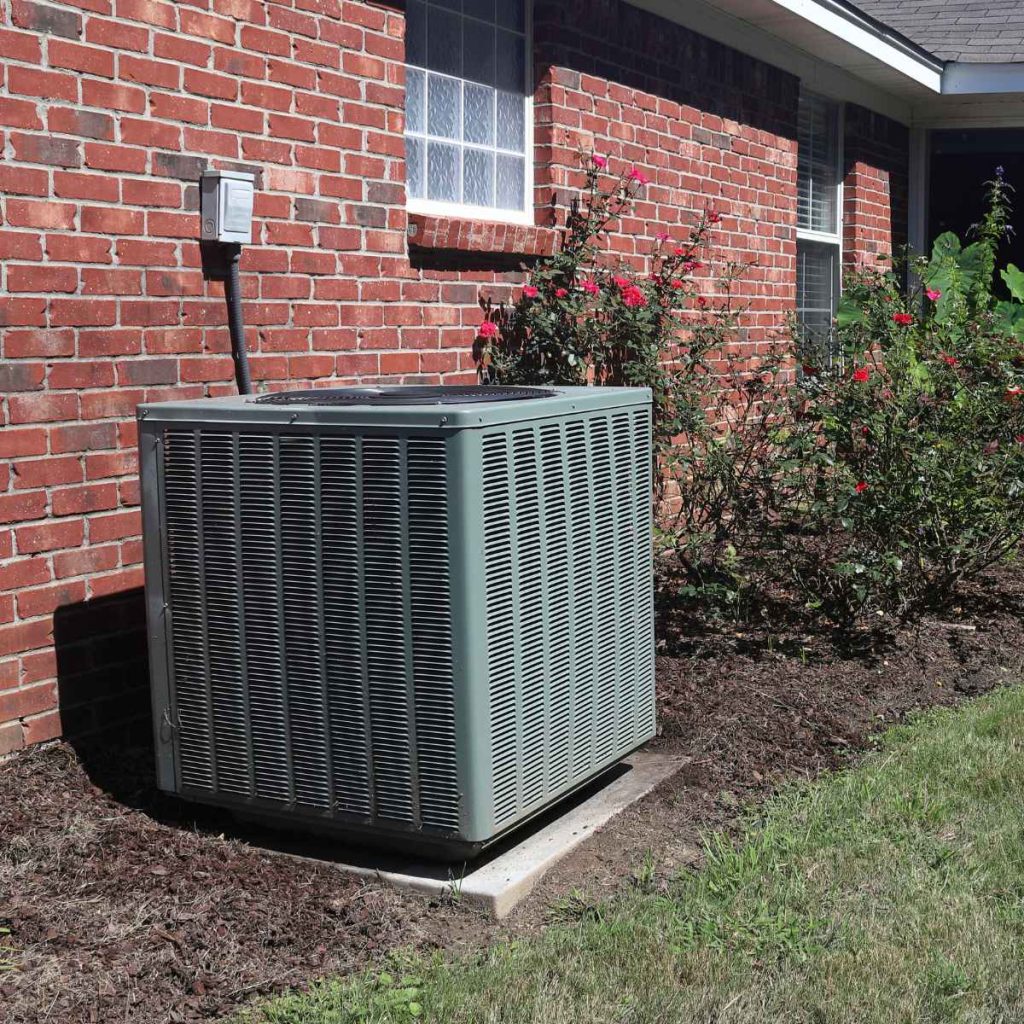
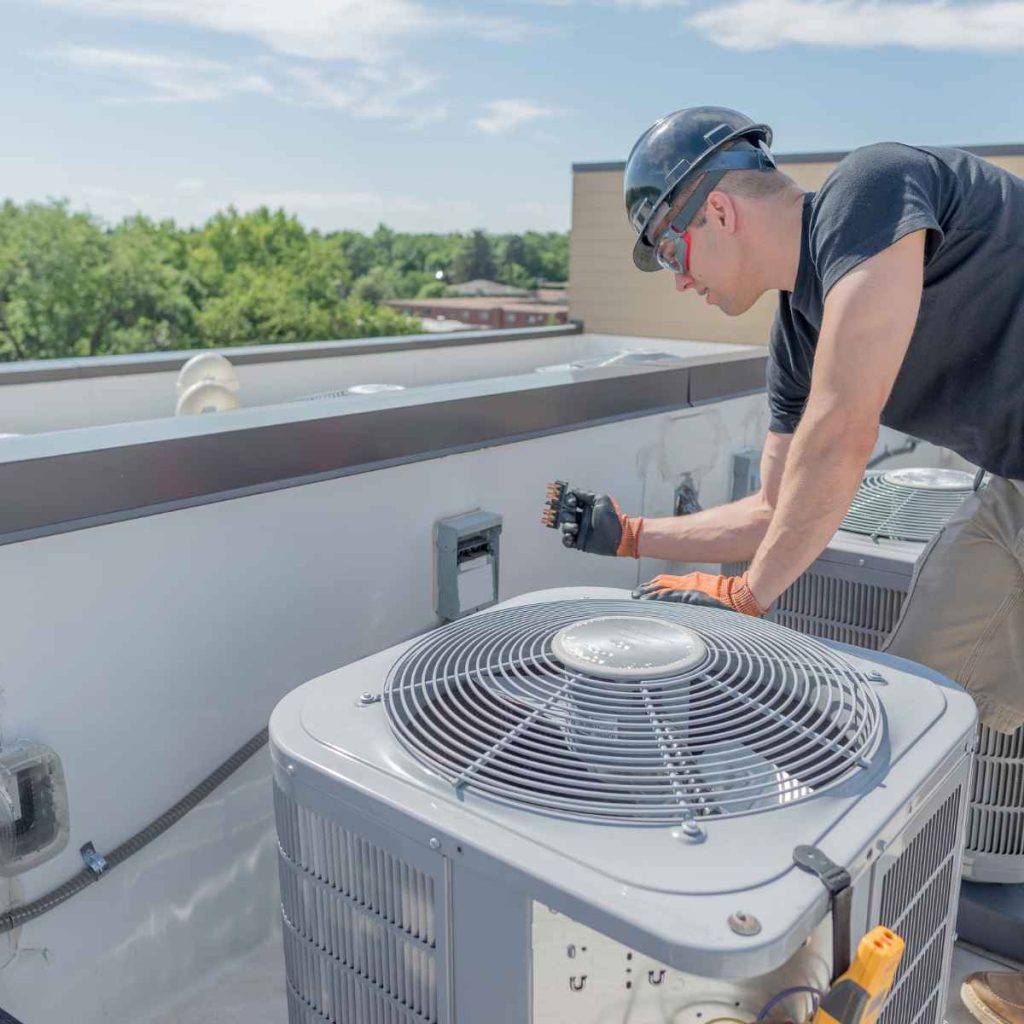
    The condenser coil is essential for dissipating the collected heat outside your home. If the condenser unit is blocked by leaves, dirt, or other debris, it can reduce the efficiency of your air conditioner, causing it not to blow cold air while running.

    Cleaning the condenser coil is crucial. To do so, turn off the power to the system and remove any debris from around the unit. Use a soft brush or vacuum cleaner to remove dirt from the fins.

    • Broken Compressor:

    The compressor is the heart of your air conditioning system, compressing the refrigerant to cool the air. The system won’t effectively cool the air if it isn’t functioning correctly.

    A broken compressor will need to be replaced by a professional, which might be expensive. If your system is obsolete, it may be more cost-effective to replace the entire system rather than repair the compressor.