Author: Paul Floyd

  • How Long Do Hot Water Heaters Last?

    How Long Do Hot Water Heaters Last?

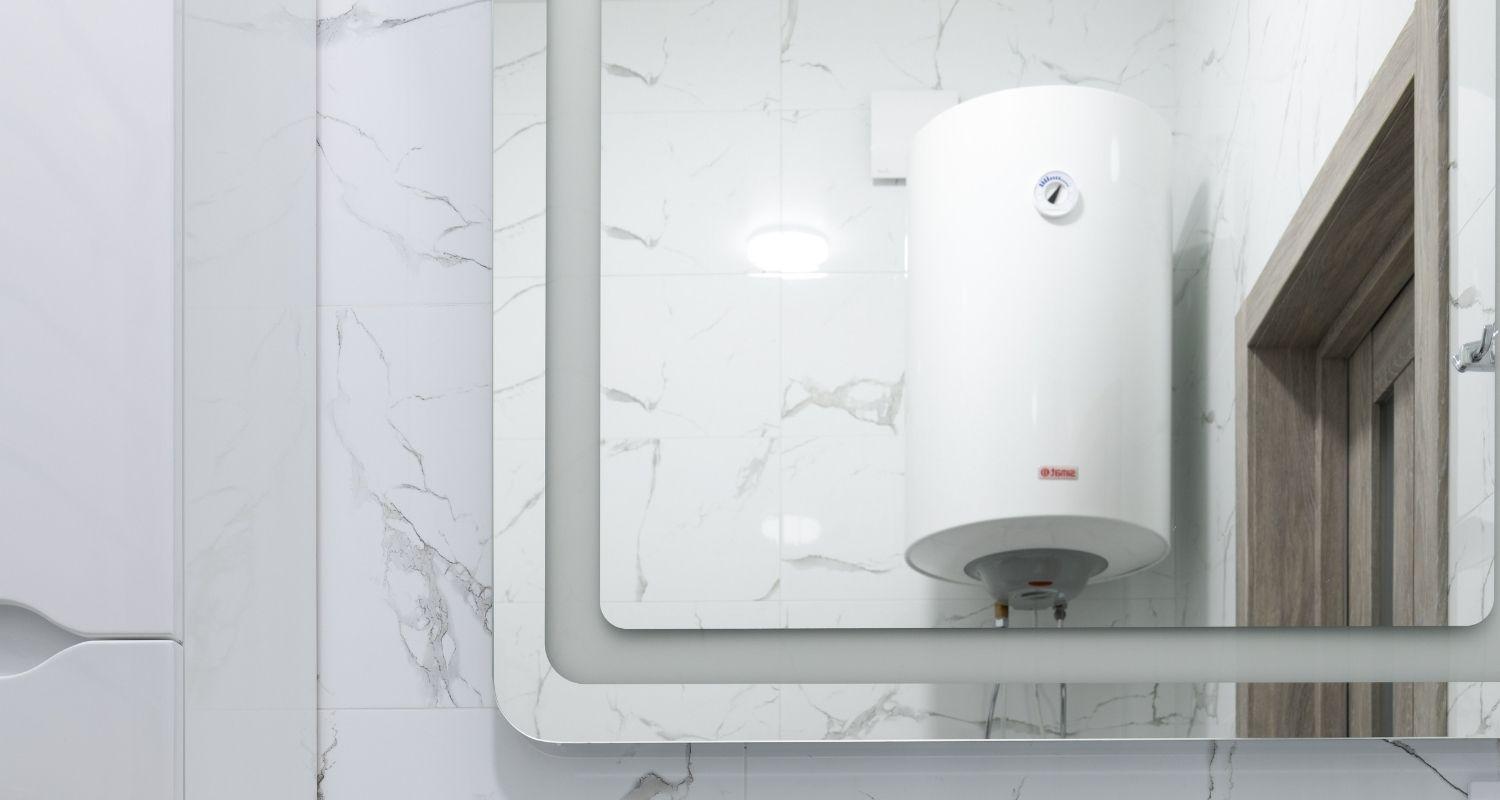
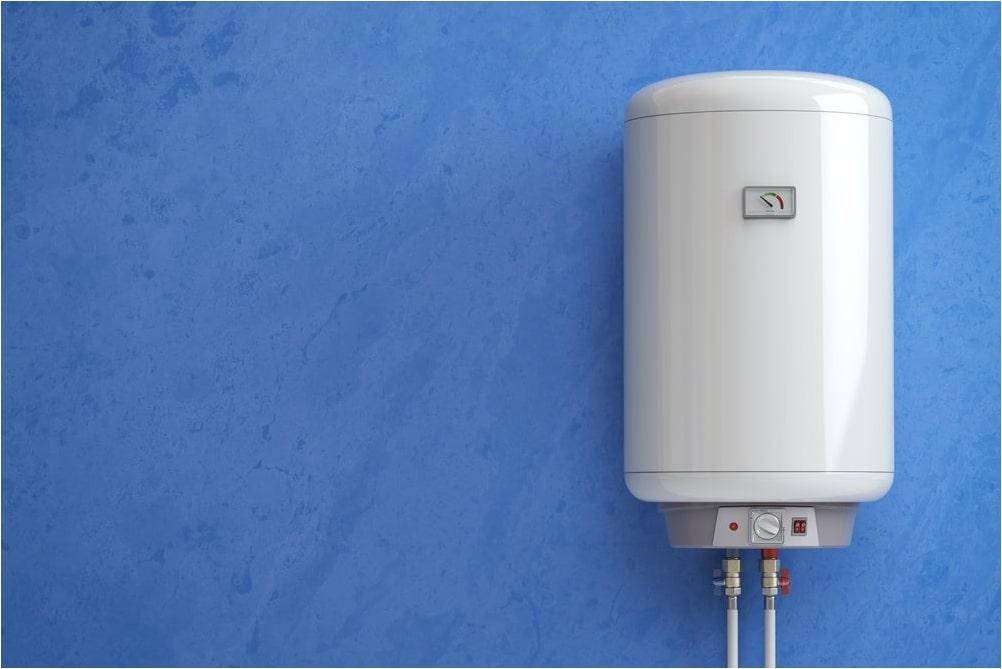
    Water heaters are essential parts of plumbing we rely on for our hot and warm water needs. Unfortunately, nothing lasts forever. The moment will come when your water heater unit will start showing signs of impending failure.

    With good maintenance and timely water heating repair in Sacramento or Fair Oaks, the length of its life span can be extended and many expensive repairs can be avoided. But, you also must know when your water heater may need a replacement. Most homeowners are not conscious of the end date of their water heating units. In This Blog, You Will Know How Long A Water Heater Unit lasts and What Are The Other Signs That Call For Water Heater Replacement

    Overview: How Long Do Water Heater Units Last?

    The lifespan of a water heater unit can depend on various factors, including the type of water heater, the quality of the unit, maintenance practices, and local water conditions. Here are general estimates for the lifespan of different types of water heater units:

    Conventional Tank Water Heaters:

    • Gas Water Heaters: Typically last 8 to 12 years.
    • Electric Water Heaters: Generally last 10 to 15 years.

    Tankless (On-Demand) Water Heaters:

    • Gas Tankless Water Heaters: Can last 20 years or more with proper maintenance.
    • Electric Tankless Water Heaters: Similar to gas tankless heaters, they can last 20 years or more with proper care.

    Heat Pump Water Heaters:

    • Heat pump water heaters can have a lifespan of about 10 to 15 years.

    It’s a good idea to be aware of the age of your water heater and monitor its performance. If you notice any signs of issues or if your unit is approaching the end of its expected lifespan, it’s advisable to consult with a professional plumber or technician to assess the condition of your water heater and determine if repair or replacement is necessary.

    How long do tankless water heaters last?

    Tankless water heaters typically last 20 years or more with proper maintenance.

    How long do electric water heaters last?

    Electric water heaters generally last around 10 to 15 years.

    How long do gas water heaters last?

    Gas water heaters typically last about 8 to 12 years.

    These are general guidelines, and actual lifespans can vary. Regular maintenance, such as flushing the tank, checking and replacing sacrificial anode rods, and addressing any issues promptly, can contribute to prolonging the life of a water heater. Water quality, with factors like high mineral content or sediment, can also affect the performance and longevity of the unit.

    How To Check How Old Your Water Heater Unit Is?

    To determine the age of your water heater unit, you can usually find the manufacturing date on the unit itself. Here are common ways to check the age of a water heater:

    1. Check the Serial Number:The serial number on your water heater often contains information about its manufacturing date. Manufacturers often use a specific coding system for the serial number.Look for a label or tag on the water heater that includes the serial number.Refer to the manufacturer’s documentation or website to decipher the serial number and find the manufacturing date.
    2. Look for a Date Code: Some water heaters have a date code stamped directly on the unit. This code might be a combination of letters and numbers that represent the manufacturing date. Check the manufacturer’s guidelines to interpret the code.
    3. Consult the Manufacturer: If you can’t find the manufacturing date on the water heater or are having trouble deciphering the serial number or date code, contact the manufacturer. Many manufacturers provide customer support or online resources to help you determine the age of your water heater based on the serial number.
    4. Check the Installation Paperwork: If you have the original installation paperwork or manual for the water heater, it may include information about the manufacturing date.

    Remember that the location of the serial number and the format of the date code can vary by manufacturer. If you’re having difficulty finding this information, don’t hesitate to reach out to the manufacturer’s customer support for assistance.

    Knowing the age of your water heater can be useful for assessing its remaining lifespan and planning for maintenance or replacement if necessary.

    Warning Signs That Indicate A Need For Replacement

    Age of the Water Heater: If your water heater is approaching or has exceeded its expected lifespan (typically 8-15 years for tank water heaters and 20+ years for tankless), it may be more prone to issues and replacement might be a wise consideration.

    1. Rust or Corrosion: Visible rust or corrosion on the tank or around fittings can indicate potential leaks and suggest the tank integrity is compromised.
    2. Leaks: Puddles or signs of water around the base of the water heater may indicate a leak. Leaks can lead to significant damage, and prompt action is necessary.
    3. Inadequate Heating: If your water heater is no longer providing sufficient hot water or if the water takes longer to heat up, it may be a sign of internal issues.
    4. Strange Noises: Popping, rumbling, or banging sounds coming from the water heater can signal sediment buildup, reducing efficiency and potentially causing damage.
    5. Discolored or Murky Water: Rusty or muddy-looking water when you run hot water indicates potential corrosion inside the tank.
    6. Frequent Repairs: If you find yourself frequently calling for repairs or the cost of repairs is becoming significant, it may be more cost-effective to replace the water heater.
    7. Increased Energy Bills: A decrease in efficiency can lead to higher energy bills. If your water heater is no longer operating efficiently, it might be time for a replacement.
    8. Foul Odors: Foul-smelling water could be a sign of bacteria growth inside the tank, which can be a health concern.
    9. Visible Wear and Tear: Cracks, dents, or visible wear on the tank could compromise its structural integrity.

    If you notice any of these warning signs, it’s advisable to consult with a professional plumber or technician to assess the condition of your water heater and determine whether repair or replacement is the best course of action.

    Frequently Asked Question

    Can a hot water heater last 20 years?

    Yes, some hot water heaters, especially tankless models with proper maintenance, can last 20 years or more. However, the typical lifespan for conventional tank water heaters is around 8-15 years.

    Should I replace my 15-year-old water heater, even though it still works?

    It’s advisable to consider replacement as water heaters often become less efficient and more prone to issues as they age. If it’s showing signs of wear or if efficiency has decreased, replacement might be a wise choice.

    How do you know when a hot water heater needs to be replaced?

    Signs include rust or corrosion, leaks, inadequate heating, strange noises, discolored water, frequent repairs, increased energy bills, foul odors, and visible wear.

    Can a water heater go bad after 5 years?

    While it’s less common, water heaters can experience issues after 5 years. Regular maintenance is crucial for longevity.

    Should I repair a 10-year-old water heater?

    It depends on the specific issue. If the repair cost is significant and the unit is nearing the end of its lifespan, replacement might be more cost-effective.

    Can an old water heater burst?

    Yes, an old water heater can burst, especially if there’s significant internal corrosion. Regular maintenance and timely replacement can help prevent this.

    How long do glass-lined water heaters last?

    Glass-lined water heaters typically last 10-15 years. Maintenance, water quality, and usage patterns can affect the lifespan.

    How long do hot water heaters last with hard water?

    Water heaters in hard water areas may have a shorter lifespan due to mineral buildup. Regular maintenance, like flushing the tank, can help extend their life. Expect a lifespan toward the lower end of the typical range (e.g., 8-12 years for tank water heaters).

    What type of unit should I buy, gas or electric?

    Electric water heaters are generally more efficient, require less maintenance, and are easier to install without needing a vent pipe. However, if power outages are frequent in your area, a gas-powered unit might be more reliable than relying on backup batteries. With this information, you can make an informed decision when replacing your old water heater.

  • What Role Does your HVAC unit Play In Alleviating Allergies?

    What Role Does your HVAC unit Play In Alleviating Allergies?

    Some allergies come seasonally, while some can stay all year long. Most allergies are generally triggered by the presence of several substances in the dust. However, you can also be allergic to pet dander, dust mites, pollen, and mold inside your home surroundings. If you are developing constant allergies inside your home, you need to contact a reputable HVAC company in Sacramento for installing better and special air filters. It has been found that HEPA filters can reduce allergy and asthma symptoms. Apart from it, there are other ways to maintain clean and allergen-free air inside your home. The HVAC system can also play a good role in reducing indoor allergens and ensuring you have a clean and healthy indoor environment.

    In this article, we will let you know how an HVAC system or air conditioner can help alleviate allergies inside your home:

    Never keep Dirty Ducts

    In order to breathe fresh and clean air, you just need to maintain clean ducts. When ducts are free of dander, dust, and other allergy-causing substances, you will experience fewer allergies in your home. Find a professional duct cleaning and air conditioner service in Sacramento to come to your home for regular cleaning so that you can maintain clean ducts.

    Clean filters are a necessity

    The more dust your HVAC filters has, the higher will be your HVAC bills. Because dust in air filters not only cause higher bills but also lead to allergies and respiratory problems. Therefore, it’s important to maintain clean air filters. Make sure you change the filter every 3 to 4 months. Dirty air filters are the reasons why ducts have an accumulation of dust and other allergens to stick inside and sit for long. These allergens can stay there for long. Whenever your HVAC runs, these particles travel in the air of your home through the system. Breathing this air lead to allergies.

    keep Humidity Levels to normal

    Humidity can still be a problem even if you cool your home properly. Humidity can encourage mold growth, dust mites, and cockroaches. By maintaining humidity levels, you can keep allergies at bay. One way to maintain humidity levels is by investing in dehumidifiers. To reduce allergens, controlling humidity levels are important for good air quality.

    The size of your HVAC or AC unit is also a factor

    Whether it’s an air conditioning installation or a water heater installation in Sacramento, you must choose the size of the unit carefully. Because the size of an HVAC or air conditioning unit matters when it comes to providing cooling in a room. Installing a larger HVAC unit in a small room will cool the area immediately and then shut it off. Quick changes in temperature cause humidity inside the room. Humidity will contribute to the factors that cause allergies. That’s why you need to choose the size which fits your home.

  • How to Find the Right Air Conditioning System for Your Home

    How to Find the Right Air Conditioning System for Your Home

    Homes in the Sacramento area experience extremely hot weather in summer. This heat is often accompanied by humidity. Many homeowners can find it difficult to keep their homes comfortable if they haven’t installed the right AC unit. In addition, if you are requiring constant ac and heating repair in Sacramento, this could be the best reason to install a new and better AC to tackle this problem. To make your home comfortable indoors, you need to find the right A/C system for your Sacramento home.

    Here are the main factors that you need to consider to select the right Ac unit:

    Size

    When buying an Ac unit, size matters a lot. Purchasing an AC without assessing how big or small your room is would be a mistake. If your AC is large according to your small room, it will cool the room so fast but will fail to take all of the humidity away from the room. Conversely, having a smaller size for a bigger room will make more efforts to keep the room cool and end up giving you not enough cooling. So, choose the right size as per your room’s size if you want to spend money wisely and don’t want to face these problems.

    Choose an ac that improves air quality

    In Sacramento, the pollen problem and bad air quality are quite prevalent. People suffer from allergies if these pollen particles are not taken care of inside the home. Whereas, bad air quality can create health problems. The right air conditioning unit will help remove or reduce the amount of these pollutants, pollen, and other harmful particles inside your home. The best way to keep your home safe from viruses and these harmful practices is an investment in an AC unit that traps these particles and keeps allergies at bay. To know which ac is best, you can also contact an experienced air conditioner service in Sacramento for recommendations regarding the AC model.

    SEER ratings are important to check

    Traditional AC models were less energy-efficient. However, today’s new AC models have been designed to consume less energy than the other old AC units. Consequently, by installing these new energy-efficient models, you can make sure that your energy bills are low. When buying an AC unit, make sure you check for the Seasonal Energy Efficiency Ratio (SEER) and compare it with other units. Sacramento homeowners should purchase a unit that has a minimum of 14 SEER ratings. The higher this value is, the more energy-efficient your system will be.

    Buy an AC that tackles humidity inside the home

    Both in summer and winter, Sacramento people can suffer from dry air. There can be more problems in summer because of the dry air scenario. This is because the humidity levels get very high when the air is dry. The air conditioning units can control humidity inside the rooms. Hence, look for cooling units that can perform well at dehumidifying the rooms.

    Proper installation is a must

    Improper installation can lead to the failure of an air conditioning system. Thus, ensure that you have called a certified AC installation company. Whether it’s an installation, heating repair need, or water heater repair in Sacramento, always ensure that you have got certified and licensed professional for all these services.

  • Appliance and HVAC Repair – What is The Difference?

    Appliance and HVAC Repair – What is The Difference?

    While considering service companies, there is a vast range of professions and professionals to count on. For instance, if your water heater is not working, to whom do you call – An appliance repair professional for water heater repair in Sacramento, or an HVAC repair professional? There are the following key factors that will help you to understand the difference between appliance repair and HVAC repair services:

    • Home Appliance Repair

    When you call a company for home appliance services, the company will send a highly trained and qualified expert to fix your appliance. Most companies hire professionals who are well-trained on a wide range of possible fixes for home appliances. It implies that they have detailed information and experience about electric work, plumbing, refrigeration, and more.

    • Work Method of Appliance Repair Professional

    First of all, an appliance repair professional will prefer to find the problem that is causing issues with your device. The expert will find the solution and discuss with you whether or not your appliance has a significant issue. He will then repair your appliances. Considering the professionals will have to deal with a large-scale array of appliances that could have a variety of problems, they have to be qualified regarding all the various circumstances that could be breeding the issue.

    • Qualification of Appliance Repair Expert

    Willing to work in the home appliance servicing profession? You need your high school diploma or GED along with having technical school or vocational school training. The EPA (The U.S. Environmental Protection Agency) defines that specialists who work with refrigeration must be approved to work and deal with chemicals and delicate machines.

    • Training

    While planning to go with the appliance service area, you need to get initial training. But, along with primary education, you should proceed to acquire the brand-new technologies combined with machines to stay up-to-date on your repair knowledge. This will allow you to be up-to-date as the appliances convert from sophisticated to more high-tech.

    HVAC Repair

    On the other hand, an HVAC repair expert is specifically trained in specific fields. Their field of expertise is refrigeration/cooling, air conditioning, and heating. In these areas, they can operate from the commencement of the installation to fulfillment.

    Work of HVAC Repair Experts

    The experts for the HVAC repair systems or air conditioner service in Sacramento are qualified and highly capable of discovering issues and fixing them.

    Qualification

    For an HVAC repair expert, getting a specific certificate, diploma, or degree, such as a high school diploma or GED, along with an intensive apprenticeship, is a great way to get your approved credentials.

    Training

    The HVAC professionals also have to get training before they start to work.

    How to Pick The Right Service?

    While needing repairs in your home, it’s essential to discover the most fitted expert for your particular field. If you have issues with your refrigerator is not cooling or there is something wrong with the electronic board, you should get in touch with an appliance repair professional.

    They are qualified to detect the problem and identify the most suitable method to fix it. In the same case, if you are dealing with HVAC system issues, you need to call an HVAC company in Sacramento in order to hire an expert. He or she may be unaware of the problems you would encounter with your home appliances, but they will resolve the issues with the HVAC system.

  • Know Your Air Conditioning Unit To Take Best Care Of It

    Know Your Air Conditioning Unit To Take Best Care Of It

    Do you know why it’s important to know your AC? If not, we’ll give the answer. Knowing your AC provides you a great chance to save money and take the best care of it. The better the care it receives, the more efficient it will be and the lesser cooling and heating repair Sacramento needs you will have. Plus, it will have a longer lifespan too. Many homeowners have no knowledge about their ACs. But don’t worry, we have gathered all the essential information you need to know to understand your AC.

    Here is What You Need to Know to Understand Your Ac :

    The AC removes the heat from the house so that the cold air can spread to your home and cool it.

    All Ac Units Consist of Two Major Components.

    • The indoor unit.
    • The outdoor unit.

    Both these units work together to make your home comfortable all year. They both are connected. The main indoor unit is installed inside the room, while the outdoor unit is installed outside. The outdoor unit is kept outside because this unit disperses the heat outside through it.

    The indoor unit is mounted on the walls of the room that needs to be air-conditioned. IDU consists of an evaporator coil and a filter.
    When your Ac is not providing cool air, it usually means it has dirty filters. Dirty filters need to be cleaned and replaced from time to time.

    The Role of the Evaporator

    The evaporator coil has a refrigerant inside it. A Refrigerant is a cooling fluid that is meant for absorbing heat. When all heat is removed from the room, it is sent out through the ODU. You should properly maintain your evaporator coils as if not maintained they will affect the performance of your AC. So, regular service of your AC by air conditioning repair and water heater installation Sacramento experts is vital to keep your AC in top condition and work efficiently.

    Outdoor Unit

    The ODU contains one of the most important parts of your air conditioning unit, which is the compressor. This unit is located outside as heat is dispersed outside from inside of the home.
    It also houses a condenser coil and a fan. Once the refrigerant absorbs the heat from the air of your home, it is sent to the outdoor unit. This heat travels through the compressor coil before it reaches the outdoor coil.

    The compressor in the Ac unit is responsible for pumping refrigerant throughout the system. Refrigerant is required consistently to absorb the heat in the room. That’s why refrigerant is reused again and again to provide cooling. The condenser coil receives the hot refrigerant that is compressed to high pressure. The fan blows air to cool this refrigerant when it is inside the coil.

    Maintaining and cleaning the condenser coil is an important maintenance task for your AC. Although the condenser coil is designed to withstand corrosion and other weather elements. It should be free of debris and leaves.

    Here is What You Can Do for Its Maintenance

    Since the condenser coil is basically outside because it is a component of an outside unit, it is subjected to more dirt and damage than your home.

  • Myths about heating and cooling system you may be believing to be True

    Myths about heating and cooling system you may be believing to be True

    We perform routine maintenance, do the necessary cooling and heating repair in Sacramento, or possibly all those things to make our HVAC unit run as efficiently as possible.

    But, there are some heating and cooling myths that people are accepting to be true, which is preventing them from making the most of HVAC units. In fact, false info can keep you from maintaining your heating and cooling system in the best way.

    With the internet era, people get easily exposed to a pool of information spread all over on the digital platforms and develop some myths. You could even have been using these myths/tricks and applying them without releasing they are all futile.

    Here, we have brought together the most common myths about heating and cooling units that are necessary to be busted :

    • Closing vents will improve energy efficiency and lower your energy bills

    No, it can cause problems that didn’t even exist before. When you close the vent, the air pressure in the ductwork can build up and rise high, leading to leaks in the vent seams. So stop believing closing vents will help cut down your energy bills.

    • Duct tape can be used in sealing the ductwork leaks

    Compared to other sealants, duct taps fail completely in sealing the air ducts’ leaks. Thus, one should never use it to seal air ducts. Instead, you can use water-based mastic duct sealants) as they stick on them quite well and also hold up for long. In addition, it’s best to call HVAC repair and water heater installation Sacramento professionals to seal air ducts if it seems a not-so-doable job.

    • You don’t need to change air filters regularly, only changing them once a year is enough

    Filters need to change when they get dirty because a clogged and dirty filter will restrict airflow, affecting the performance of your unit. It’s vital to change your filters on regular basis. But don’t change it every month if you don’t have pets, dust, indoor pollution. Although, according to recommendations, you are required to change or clean them every 1-3 months. If you don’t, your heating/cooling system will not work efficiently.

    • Maintenance deals are unnecessary expenses

    Once the heating and air conditioning installation in Sacramento has successfully been done, people believe they have nothing to do with it from onwards. Because routine maintenance is deemed as an unnecessary expenditure by most people.

    Reality: Regular maintenance is vital to prevent unexpected repairs, which can become costly if not resolved on time. With routine maintenance, the heating and cooling experts will spot the problem and even potential problem before they all become big and expensive.

    • Getting a bigger AC is better

    Getting a bigger AC system will consume more energy, which means it will cost you more money. It can even cause your home to feel more humid, resulting in mediocre air comfort. It is also very likely to malfunction.

    • An energy-efficient model will save energy and reduce my electricity bills

    Even if you have an energy-efficient heating/cooling unit, it won’t help unless your home is properly insulated or you have no leaks in the windows. It will only work effectively if there is good insulation.

  • Preventing your water heater from Corrosion and Rust

    Preventing your water heater from Corrosion and Rust

    Corrosion in your water heater tank can be a significant reason for replacing the whole water heater unit. Yes, it can affect its performance and lead to a complete failure of the unit. Therefore, you must never ignore the corrosion in your water heater tank. To know and address the problematic areas, you need to remain aware of the spots that are vulnerable to corrosion so that you can make the required efforts to prevent the corrosion problem and get the help of an experienced HVAC professional before it becomes serious. 

    Protect Water Heater From Corrosion

    • The vent pipes connected to your water heater that comes from outside of your homes should be inspected or checked by you for rust, holes, or corrosion. This can cause your water heater to fail or become unsafe for your family. Please refrain from fixing this problem by yourself as this is the job that must be left on HVAC professionals. Holes in the pipes will allow the gas to break out and spread into your home, which can put you and your family at risk. 


    • Anodes play a vital role in preventing corrosion directly to the water heater tank and allow it within themselves. However, in the case of hard water, the anode’s ability to do its job gets reduced, resulting in corrosion. You must have your anodes checked by hot water heater repair Sacramento professionals to determine whether they are working properly or need replacement. 


    • Another important step you can take to prevent corrosion is refurbishing the pipe nipples of the water heater to plastic-lined nipples.  Copper or brass pipes, when coming into contact with the steel tank surface, remain rust-free, but the steel part will get corroded or rusted. If you replace the manufacturer’s pipe nipples with plastic-lined ones, this capability for getting corroded will majorly be reduced.


    • In the water softening process, hard minerals containing calcium and magnesium are removed using salts. However, the majority of water softeners have salts that could get the water heater corroded, leading to an ineffective water heater. In fact, soft water could lead to corrosion of your water heater’s anode at a higher speed. As a result, the anode may become inactivate. So, if you also use a water softening system, call a professional for inspections of your anode rods every year.


    • Electric water heaters usually face a problem of corrosion because of heating elements that are involved in the electric water heater system. Since these heating elements are composed of steel interior with copper sheathing, and they can get corroded without effort due to getting wet. For preventing galvanic corrosion issues, you can choose to install galvanized unions with plastic nipples located at the water heater tank’s top.

    Apart from this, using corrosion-resistant metals can be a great way to prevent the water heater from getting corroded and rusted. It’s important that your water heater should remain corrosion-free in order to have a longer service life. Also, timely inspections from a renowned HVAC and air conditioning installation Sacramento professionals is a must to address corrosion issues.

  • Urgent AC Repair Demands:  When AC Issues Require Immediate Intervention by Experts

    Urgent AC Repair Demands: When AC Issues Require Immediate Intervention by Experts

    Air conditioner repair emergencies are pretty common in Sacramento, given the high summer temperatures. Surviving without a perfect working air conditioner can be tough. Moreover, when your Air conditioner stops working or causes problems on a hot summer day, your family members and pets can suffer health problems.

    An air conditioner can break down for various reasons, some of which can be easily repaired at home with minor adjustments. But there can be some severe breakdowns that will require emergency AC repair Sacramento by an AC Expert.

    Let’s look at some of the critical times you must call for AC repair in Sacramento.

    Segment of Cities We Serve for HVAC and Plumbing Services

    Critical Situations that require Emergency AC repairs

    Sometimes, not having air conditioning can pose a serious threat and require urgent action. Let’s take a look at some of the emergency situations that require immediate attention.

    • When it’s hotter than 85 degrees outside, it can be risky for some family members to handle the heat. Even if you open windows and use fans, your home might not cool down enough.
    • When the people living in the home include children, elderly folks, or those with weak immune systems. These groups have different health needs, and it can affect them badly when it gets really hot. Spending too much time in a hot place can make them sick, cause heat stroke, or lead to other health problems.

    In these two situations reach out to your local HVAC professionals for emergency air conditioner repair to get the issue fixed immediately.

    AC Repairs that need Immediate Assistance From an AC Expert

    The problems we are going to talk about now are major AC issues that require immediate attention. If not, they will lead to bigger and costlier problems. If you are facing any of the following AC issues then you need to get emergency AC unit replacement in Sacramento or repairs.

    1. Hot Air

    Are you feeling hot air coming out of your AC unit? This could be due to refrigerant leaks or a broken compressor. If there is a refrigerant leak, it could cause your AC unit to become incapable of cooling the room. In either case, you need to call a professional air conditioner service in Sacramento to repair your AC. In fact, when your AC is not cooling your room correctly, it is another sign that you need immediate repair service.

    2. Rising Energy Bills

    Have your electricity bills started to rise compared to the usual bill patterns? If yes, it may be a sign that your air conditioner is working harder than it should and is ineffective. However, it could also indicate the other possibility. In many cases, homes with poor insulation are not cooled properly, as cool air may leak out of leak points in your home.

    Although experiencing higher electricity bills in the hot summer is quite justifiable, you should be able to determine whether or not it is normal. If you cannot figure out the reason for your higher AC bills, don’t stress. Just call a professional air conditioner service in Sacramento. They will help you figure it out.

    3. Strange Sounds Coming Out of the Unit

    AC units are supposed to work silently. If you hear strange and loud noises, it could most probably mean a malfunctioning unit. In the event of squealing, banging, or unusual noises, it would be wise to seek the help of a professional immediately to avoid replacing the whole unit with a new one.

    4. Dirty and Clogged Filters

    Dirty or polluted filters are the most common cause of airflow problems and ineffective cooling. When the filter becomes dusty and gets accumulates with contaminants, it can affect the ability of your AC to cool the room properly or result in weak cooling. So, this situation demands immediate and affordable AC repair in Sacramento.

    5. A Vibrating Window AC Unit

    A vibrating window AC is the most evident sign that something is wrong with your AC unit. This issue may arise when the installation has not been done correctly. In a time like this, you will need to look for a better sacramento AC installation company and get your AC system reinstalled.

    6. An Unpleasant Smell

    If you detect a pungent odor near the unit, it could be a sign of a burnt insulated wire. It is advisable to contact an AC expert to address this problem. On the other hand, a musty smell may indicate mold buildup, which also requires immediate assistance from an experienced technician specializing in AC repairs and air conditioning installation in Sacramento.

    Read More About:

    Get Your AC repaired with the AC repair services of Heald Mechnical Sacramento, CA.

    Give us a call if you are facing AC emergencies like sudden breakdown, hot air blowing out, or strange noises coming from your unit. Our HVAC professionals are here to save the day. We specialize in providing fast and reliable emergency AC repairs and replacements to keep your home cool and comfortable, especially during those sweltering summer days in Sacramento.

  • Know The Difference Between HVAC And Air Conditioner Unit And Its Objectives

    Know The Difference Between HVAC And Air Conditioner Unit And Its Objectives

    Heating and cooling systems are one of the basic requirements in every home. If you’re planning to buy a new house, or considering installing a new heating or cooling system, you might get easily confused between the HVAC unit and AC unit. The two acronyms-HVAC and AC units are often used interchangeably by many HVAC Sacramento CA contractors and air conditioning experts. Therefore, homeowners need to understand how these two differ from each other.

    In This Article, We Will Break Down the Difference Between Hvac and Ac Units and Discuss Which One is Better.

    HVAC is a term that is used when referring to a system designed for heating, ventilation and air conditioning. They provide heating and cooling to your home, in addition to keeping your rooms well-ventilated by removing moisture, humidity and stale air.

    An HVAC system also performs the job which ensures that you have clean and fresh air inside your home. The ventilation system in HVAC works to eradicate stale or unclean air and bring in the air free of any pollutants. This entire system is responsible for keeping the interior home space comfortable no matter what climate or season it is. An HVAC system is a package including central AC, ductwork, furnace or heat pump, designed to provide heating, cooling and ventilation.

    When it comes to the heating system in HVAC, it can take a variety of different configurations. It can use a gas furnace as a central heating system. It can also include heat pumps and air conditioning units. So, it is used for both heating and cooling purposes.

    Furnace: Working as a primary component of a heating system, this unit is responsible for heating the entire interior space.

    Heat Pump: It uses electricity to heat your home in colder months. It can be used for your cooling needs too. It uses the same electricity to take out heat from cool space to direct it to a warmer place.

    Air Conditioning Unit

    AC is a term used for air conditioning systems. These units are designed to cool your home. Since air conditioner service Sacramento contractors use the term HVAC and  AC interchangeably when offering their heating and cooling repairs and services, the confusion escalates. Unlike a central ac unit, an AC unit is capable of providing cooling to a smaller area or a single room.

    Here Are the Most Common Types of Ac Units Used Widely:

    Window AC unit: Designed to provide cooling to a larger area or a single room, these types of units come in different sizes. It is cost-effective and needed to install on the window frame.

    Ductless Mini-Split systems: These units may be an ideal option for homes that have no ductwork installed in their homes.

    Which One is Better?

    HVAC is a better choice because of the following benefits it offers:

    • Improves air quality
    • Reduced noise
    • Easy to use
    • Energy-efficient

    Whether you choose to have an HVAC system or an Ac unit, just like your water heater repairs Sacramento needs, they may need unexpected repair service from heating and cooling experts.

  • What is an HVAC System? HVAC Basics

    What is an HVAC System? HVAC Basics

    HVAC systems have become the most essential part of almost every home. This blog is all about hvac, because your HVAC system isn’t just about maintaining the perfect temperature; it’s your partner in creating cozy warmth during winter and refreshing coolness in the summer.

    What Does HVAC Stand For?

    HVAC stands for Heating, Ventilation, and Air Conditioning, encompassing systems that regulate indoor temperature, humidity, and air quality.

    How Does an HVAC System Work?

    The system is designed to control temperature, humidity, and air quality. Here’s a general overview of how an HVAC system works:

    • Thermostat: The process usually begins with a thermostat, which serves as the control center. It monitors the indoor temperature and allows users to set their desired temperature.
    • Heating: If the indoor temperature is lower than the set point, the heating component of the HVAC system is activated. There are various methods of heating, including furnaces, boilers, or heat pumps. Furnaces burn fuel (natural gas, oil, or propane) to generate heat, while boilers use water or steam. Heat pumps can both heat and cool by transferring heat between the indoor and outdoor air.
    • Cooling: Conversely, if the indoor temperature is higher than the set point, the cooling component is activated. Most common cooling systems use air conditioners or heat pumps. Air conditioners remove heat from the indoor air by circulating a refrigerant through a coil that absorbs and releases heat. Heat pumps, as mentioned earlier, can also be used for cooling by reversing the refrigeration cycle.
    • Air Handling Unit (AHU): The air handling unit is a crucial component that is responsible for circulating and distributing the conditioned air throughout the building. It contains a blower, which forces air through the HVAC system.
    • Ductwork: Ductwork is a network of pipes or channels that distribute the conditioned air to different rooms or zones within a building. Properly designed and sealed ducts are essential for efficient HVAC system performance.
    • Ventilation: Ventilation is a key aspect of HVAC systems, ensuring a supply of fresh outdoor air and the removal of indoor air pollutants. Ventilation can be achieved through natural means (windows and doors) or mechanical systems that bring in and distribute fresh air.
    • Air Filtration: Air filters are used to remove dust, allergens, and other particles from the air. This improves indoor air quality and protects the HVAC system components from dirt and debris.
    • Humidity Control: Some HVAC systems also include humidity control mechanisms. This is important for maintaining comfort and preventing issues such as mold growth. Humidity control is often achieved through the cooling process, as air conditioners remove moisture from the air.
    • Return Air Intake: Return air intake is where the indoor air is drawn back into the HVAC system to be conditioned again. This completes the cycle.

    Regular maintenance of HVAC systems, including cleaning filters, checking refrigerant levels, and inspecting ductwork, is essential to ensure optimal performance and energy efficiency. Additionally, advancements in technology have led to the development of smart HVAC systems that allow users to control and monitor their systems remotely for increased efficiency and convenience.

    What Does an HVAC Technician Do?

    • Install, maintain, and repair HVAC systems: Technicians handle the setup, ongoing care, and fixes for heating, ventilation, and air conditioning units.
    • Troubleshoot issues: They identify and solve problems that may arise in HVAC systems to ensure proper functionality.
    • Install and repair ductwork: They set up and fix the channels that distribute conditioned air throughout buildings.
    • Ensure safety compliance: Technicians adhere to safety regulations and guidelines in all aspects of their work.
    • Optimize energy efficiency: They recommend and implement measures to improve the energy efficiency of HVAC systems.
    • Provide customer service: Technicians interact with customers, explaining issues, discussing solutions, and offering maintenance tips.
    • Maintain accurate documentation: Keeping records of installations, repairs, and maintenance activities is essential for tracking system performance.
    • Learning All the Time: Technicians stay updated on industry trends and best practices through ongoing training and education.

    HVAC Systems Types 

    There are several types of HVAC (Heating, Ventilation, and Air Conditioning) systems, each designed to meet specific needs and preferences. Here are some common types:

    Split System:

    • Description: The most common type, consisting of an indoor unit (evaporator coil and blower) and an outdoor unit (condenser and compressor).
    • Application: Residential and small commercial buildings.

    Packaged HVAC System:

    • Description: All components (heating, cooling, and sometimes ventilation) are housed in a single unit typically installed outdoors.
    • Application: Small commercial buildings and homes without a lot of indoor space.

    Ductless Mini-Split System:

    • Description: Similar to split systems but without ductwork, allowing individual control of different zones.
    • Application: Additions to homes, buildings with no ductwork, or specific zones requiring independent control.

    Heat Pump:

    • Description: A system that can provide both heating and cooling by transferring heat between the indoors and outdoors.
    • Application: Residential and commercial buildings in moderate climates.

    Geothermal Heat Pump:

    • Description: Uses the stable temperature of the earth for heating and cooling, with an underground loop system.
    • Application: Residential and commercial buildings for efficient and sustainable heating and cooling.

    Hybrid HVAC System:

    • Description: Combines a traditional furnace with a heat pump for efficient heating and cooling based on outdoor conditions.
    • Application: Homes where energy efficiency is a priority.

    Variable Refrigerant Flow (VRF) System:

    • Description: Uses refrigerant as the cooling and heating medium, allowing for variable control of indoor units.
    • Application: Commercial buildings with varying heating and cooling needs in different zones.

    Chilled Beam System:

    • Description: Uses convection and induction to cool spaces, often integrated into a building’s architectural design.
    • Application: Commercial buildings with a focus on energy efficiency and comfort.

    Radiant Heating and Cooling System:

    • Description: Relies on the transfer of heat to or from surfaces (such as underfloor heating or ceiling panels) to control indoor temperature.
    • Application: Residential and commercial buildings for comfortable and efficient heating or cooling.

    Evaporative Cooling System:

    • Description: Cools air by evaporating water, commonly used in dry climates.
    • Application: Commercial and industrial settings with low humidity.

    The choice of HVAC system depends on factors like building size, climate, energy efficiency goals, and budget constraints.

    How Long Do HVAC Systems Last?

    The lifespan of an HVAC (Heating, Ventilation, and Air Conditioning) system can vary based on factors such as the type of system, how well it’s maintained, and the quality of installation. Here are general estimates for the lifespan of common HVAC components:

    • Gas Furnaces: 15-30 years.
    • Electric Furnaces: 20-30 years.
    • Central Air Conditioning: 15-20 years.
    • Ductless Mini-Splits: 15-20 years.
    • Air-Source Heat Pumps: 15 years or more.
    • Geothermal Heat Pumps: 20 years or more.
    • Gas Boilers: 15-30 years.
    • Oil Boilers: 15-30 years.
    • Ductwork: 25 years or more (with proper maintenance).

    If your HVAC system is approaching the end of its expected lifespan, it’s wise to start planning for a replacement. Regular maintenance and prompt repairs can help maximize the lifespan of your system. Consulting with HVAC professionals for periodic inspections can also identify potential issues before they become major problems.

    How Often Should the HVAC System be Serviced?

    Regular HVAC system maintenance is essential to ensure optimal performance, energy efficiency, and a longer lifespan. 

    Specific requirements may vary based on factors like system age, usage, and local climate. Regular maintenance not only improves system efficiency but also helps prevent unexpected breakdowns, saving on repair costs in the long run.

    Read more in detail: How Often Should the HVAC System be Serviced?

    Benefits of Having a Smart HVAC Unit

    An HVAC unit in your home or commercial space offers various benefits, contributing to comfort, health, and energy efficiency. Here are the key advantages:

    1. Comfortable temperature control.
    2. Humidity regulation and a healthy environment.
    3. Improved indoor air quality.
    4. Energy efficiency for cost savings.
    5. Year-round comfort with heating and cooling.
    6. Consistent airflow and quiet operation.
    7. Preservation of belongings.
    8. Increased productivity in commercial settings.
    9. Environmental impact reduction with eco-friendly options.
    10. Long-term cost savings through regular maintenance.
    11. Higher property value in well-maintained spaces.
    12. Integration with smart technology for convenience.

    Having an HVAC unit not only provides comfort but also contributes to a healthier, more efficient, and sustainable living or working environment. Regular maintenance and timely upgrades ensure these benefits are consistently realized.

    Tips for Maintaining Your HVAC Unit

    Maintaining your HVAC (Heating, Ventilation, and Air Conditioning) unit is crucial for its efficient operation and longevity. Here are some tips to help you keep your HVAC system in top condition:

    1. Change Air Filters: Replace or clean your air filters every 1-3 months for better airflow and cleaner air.
    2. Check Thermostat: Ensure your thermostat is set right. Think about getting a programmable one for saving energy.
    3. Inspect and Clean Ductwork:Look for blockages or dirt in your ducts. Keep them clean for better air movement.
    4. Clear Outdoor Unit:Keep stuff away from your outdoor unit. Make sure it’s clear of leaves, plants, or anything blocking it.
    5. Refrigerant Lines Check: Look at the lines for leaks or damage. If something seems off, get a professional to check.
    6. Open Vents:Check if vents and registers are not blocked by furniture. Keep them open for good airflow.
    7. Clean Drain:Keep the drain clean to avoid clogs and water damage. Mix bleach with water to clear out mold and stuff.
    8. Lubricate Moving Parts:Oil up parts that move, like fan motors, so they don’t get stuck or wear out.
    9. Check Electrical Components:Look at wires and connections. Tighten anything loose and replace broken parts.
    10. Safety Test:Test safety controls, including the shutdown function. This ensures the system turns off in case of a malfunction.
    11. Pro Inspections:Arrange for professional HVAC inspections with Heald Mechanical at least once a year. OurTechnicians can identify and address potential issues before they become major problems.
    12. Maintenance Plans: Heald Mechanical offers maintenance plans that include regular inspections and service. Consider enrolling in such a plan for convenience.
    13. Upgrade for Savings:If your system is old, think about getting a new one. It can save money in the long run.
    14. Winter Protection:If you live in a cold climate, consider protecting the outdoor unit in winter by covering it with a breathable cover to prevent damage.
    15. Understanding your HVAC system: Understand the basic operation of your HVAC system. This knowledge can help you identify potential issues and communicate effectively with technicians.


    Remember, safety is a priority. If you’re unsure about any maintenance tasks or notice a problem, it’s best to consult our qualified HVAC professional.

    Frequently Asked Question

    What is an air handler?

    An air handler is a device in an HVAC system responsible for circulating and regulating air. It typically contains a blower, filter, and coils for heating or cooling.

    What are evaporator coils?

    Evaporator coils are indoor components in an HVAC system. They absorb heat from the air, allowing refrigerant to evaporate and cool the indoor space.

    What is the purpose of an HVAC system?

    To provide comfortable indoor conditions by regulating building temperature, humidity, and air quality.

    What is the role of a cooling unit in an HVAC system?

    The cooling unit (air conditioner or heat pump) removes heat from indoor air, providing a comfortable temperature during warm weather.

    What is a condenser?

    A condenser is part of the outdoor unit in an HVAC system. It releases heat absorbed from indoor air into the outside air during the cooling process.

    What Is the Difference Between MEP and HVAC?

    • MEP (Mechanical, Electrical, Plumbing): Encompasses a broader range of building systems.
    • HVAC (Heating, Ventilation, and Air Conditioning) is a subset of MEP that focuses specifically on climate control.

    How does an HVAC system improve indoor air quality?

    HVAC systems filter and ventilate air, removing pollutants and maintaining proper humidity for healthier indoor air.

    What is an air exchanger?

    An air exchanger is a device that improves indoor air quality by exchanging stale indoor air with fresh outdoor air, recovering energy in the process.

    Does HVAC include a furnace?

    Yes, HVAC does include furnaces. a furnace is a crucial component responsible for heating a space. So, when you refer to HVAC, you include the furnace as part of the system that regulates temperature within a building or residence.